Critter Science
  • Ecology
    • Animal Conservation
      • Apex Awakening
      • CITES: Protecting Wildlife
      • Dame Jane Goodall
      • Endangered Animals
      • Ex Situ Explained
      • In Situ Explained
      • IUCN Statuses
      • Steve Irwin
      • Zoological Branches
    • Animal Immortality and Regeneration
    • Animal Mimicry
    • Chromatophores and Survival
    • Ecosystems
      • Animal Habitats
      • The Biomes
      • Coastal Erosion
      • Desert Biomes
      • Deserts and Wildlife
      • Earth’s Living Canopies
      • Ocean Habitats
      • Rainforest Types
    • Evolution. The Facts.
      • Animal Devolution
      • Animal Ecotypes
      • Convergent Evolution
      • Carl Linnaeus
      • Charles Darwin
      • Evolution of Amphibians
      • Evolution of Birds
      • Genetic Drift in the Animal Kingdom
      • Insular Dwarfism
      • Naturalism
      • Natural Selection
    • Genetic Pollution
      • Genetic Bottlenecks in Animal Populations
    • Invertebrate Families Explored
      • Arthropod Diversity and Adaptations
      • Cephalopod Consciousness
      • Insect vs Bug
      • The Wonder and Warfare of Coral Reefs
      • What are Arachnids?
        • Spider Webs
    • Predator vs Prey
    • Producers and Consumers
    • Venom vs Poison
    • Vertebrate Families Explored
      • Amphibians: Unseen Guardians
      • Bone and Cartilage
      • Snakes vs Legless Lizards
      • The Triumph of the Ratites
      • What is a Marsupial?
    • The Wild Apothecary
  • Zoology
    • Sustainability
      • Climate Change
      • Earth Day: Past, Present, Future
      • Global Warming
      • Pollution
        • Air Pollution
        • Chemical Pollution
        • Land Pollution
        • Light Pollution
        • Microplastics Pollution
        • Noise Pollution
        • Water Pollution
      • Recycling
        • Recycling Plastics
      • Renewable Energy
    • Animal Behavioral Patterns
      • Aposematic Coloration
      • Avian Communication
      • Animal Thermoregulation
      • Beyond DNA: The Animal Accent
      • Cetacean Communication
      • Cold-Adapted Hypermetabolism
      • Elephant Communication
      • Herpetofauna Communication
      • Primate Language: The Debate
      • The Framework of Ethology
      • The Hidden Sensory Realm
      • Types of Animal Dormancy
    • What are Species?
      • Animal Reproduction
      • Introduced Species
      • Invasive Species
      • John Edward Gray
      • John Gould
      • Keystone Species
      • Lazarus Species: Rediscovered Life
      • Monotypic Species
      • Speciation
      • Species Complex
      • Understanding Animal Subspecies
    • About the Critterman
      • Amphibians Book
  • Daily Critter Facts
    • Amphibian Facts
      • Caecilian Facts
      • Frog Facts
      • Newt Facts
      • Salamander Facts
      • Toad Facts
    • Arthropod Facts
      • Arachnid Facts
      • Insect Facts
    • Bird Facts
      • Flightless Bird Facts
      • Predatory Bird Facts
      • Scavenger Bird Facts
      • Sea Bird Facts
      • Wading Bird Facts
    • Cryptozoology
    • Fish Facts
      • Bivalve Facts
      • Cephalopod Facts
      • Crustacean Facts
      • Jellyfish Facts
      • Reefs
      • Shark and Ray Facts
      • Shellfish Facts
    • Flying Mammal Facts
    • Gastropod Facts
    • Land Mammal Facts
      • Canine Facts
      • Feline Facts
      • Lagomorph Facts
      • Marsupial Facts
      • Mustelid Facts
      • Primate Facts
      • Rodent Facts
      • Ungulate Facts
    • Parasite Facts
    • Reptile Facts
      • Crocodilian Facts
      • Lizard Facts
      • Snake Facts
      • Turtle Facts
    • Sea Mammal Facts
      • Dolphin Facts
      • Porpoise Facts
      • Sea Lion Facts
      • Seal Facts
      • Whale Facts
    • Worm Facts
  • For Teachers
    • Animal Quizzes
      • Amphibian Quiz
      • Bird Quiz
      • Cat Quiz
      • Dog Quiz
      • Dolphin Quiz
      • Insect Quiz
      • Reptile Quiz
    • Amphibians vs Reptiles
    • Animal Skin and Scales
      • Claws, Nails, and Talons
      • Feather Anatomy, Function, & Types
      • Fur and Hair
      • Gecko Feet
    • The Enigmatic Purr
    • Animal Word Search
    • Butterfly Metamorphosis
      • World’s Largest Butterfly
      • World’s Largest Moth
    • The Cellular Structure of an Animal
    • Coloring Pages
    • Fish and Sharks
    • Frogs vs Toads
      • Metamorphosis – A Frog’s Life Cycle
    • Tunnels and Burrows
    • The Science of Naming Animals
    • Study Guides
      • African Animals
      • Antarctica Animals
      • Asian Animals
      • Australian Animals
      • Central American Animals
      • European Animals
      • North American Animals
      • South American Animals
  • Diseases & Parasites
    • Understanding Bird Flu
    • Bsal
    • Canine Distemper Virus (CDV)
    • Chronic Wasting Disease (CWD)
    • The Deadly Chytrid Fungus
    • Plagues of the Wild: Epizootic Diseases
    • All About Parasites
      • Toxoplasmosis
    • The Rabies Virus
    • White-Nose Syndrome
  • Contact
    • Critter Identification
    • General Contact
    • Guest Article Submission
      • Guest Articles
        • Guest Articles – 2024
    • Animal Welfare Organizations
    • Privacy Policy
GET MY BOOK
bushy-tailed woodrat

The Bushy-Tailed Woodrat

  • 24 November, 2026
  • Critterman
  • No Comments
  • 7 Views
  • 1 Likes
Daily Critter Facts, Land Mammal Facts, Rodent Facts

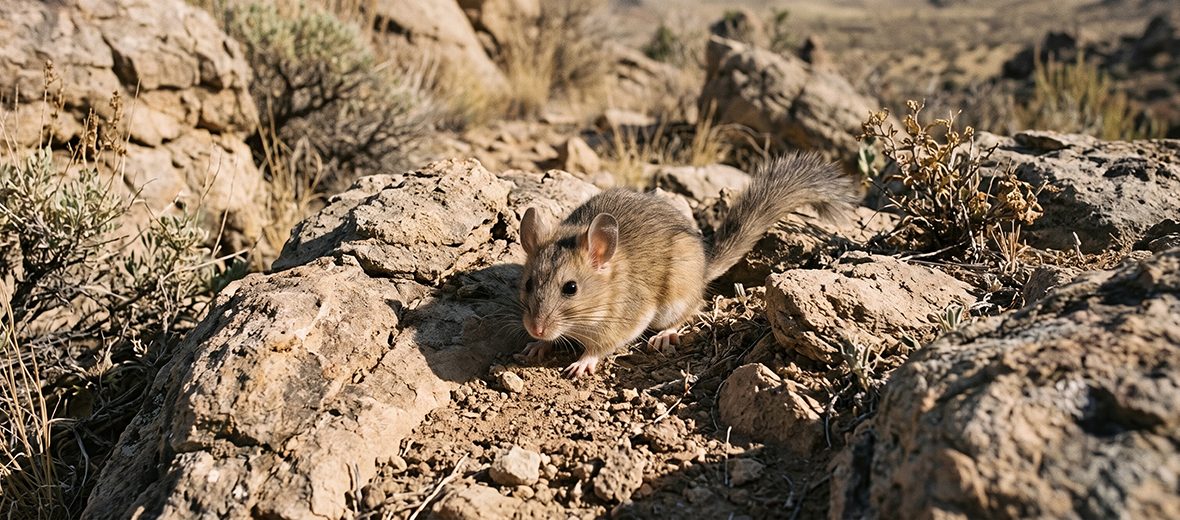
The bushy-tailed woodrat, aka packrat, has a strong preference for shiny objects and will drop whatever they may be carrying in favor of a coin, spoon, or other shiny item. While these rodents can survive low-intensity fires by hiding in rocky crevices, severe wildfires destroy the snags, downed logs, and plant food sources they depend upon for shelter and survival. In forested areas such as the Pacific Northwest, thinning treatments designed to reduce woody fuels can negatively impact local populations by removing essential cover like mistletoe, snags, and coarse woody debris. Research on this species declares that bushy-tailed woodrats are highly sensitive to warmer winter temperatures, which can alter their physiology and lead to reductions in overall body size over time. Wide highways with heavy traffic or solid barriers serve as major obstacles that prevent these rodents from dispersing between suitable rocky habitats, causing isolation within smaller subpopulations. Because these rats readily move into abandoned buildings, cabins, and mines—and have a habit of chewing wiring or nesting in structures—they are often trapped or poisoned with rodenticides and treated as household or agricultural pests. However, these rats are abundant throughout their wide range and therefore listed as Least Concern by the IUCN. Their population trend is curently listed as stable.

First the Stats…

Scientific name: Neotoma cinerea
Weight: Up to 21 ounces
Length: Up to 9.8 inches, plus up to a 8.75 inch tail
Lifespan: Up to 6 years

Now on to the Facts!

1.) They are heavily preyed on by native wildlife, including: spotted owls, great-horned owls, hawks, bobcats, coyotes, foxes, martens, weasels, black bears, and rattlesnakes. Cats also prey on these rodents.

2.) Their preferred habitats provide rocky features, cliffs, talus slopes, canyons, caves, and open rocky fields. They can be found from sea level up to 14,000+ feet.

3.) These rodents are frequently targeted by host-specific parasites like the botfly, which causes skin warbles and peaks in infection rates during the spring. They are also susceptible to sylvatic plague, which can dramatically sweep through rodent populations.

4.) They feast on green vegetation, such as leaves, needles, and shoots, but they will also eat twigs, fruits, nuts, seeds, mushrooms, and some animal matter. 1 study in southeastern Idaho found grasses, cactuses, vetches, sagebrushes, and mustard plants in their diets, as well as several arthropods.

5.) These packrats obtain the majority of their water from the foods they eat. This way they don’t have to rely on standing water as often.

But wait, there’s more on the bushy-tailed woodrat!

6.) Territory establishing and dominance are obtained via scent marking and physical confrontations. Fights consist mainly of biting and scratching, and they sometimes result in serious injuries.

7.) A female undergoes up to a 32 day gestation (pregnancy) that can yield up to 6 pups.

Did you know…?
Females have been documented breeding as soon as 12 hours after giving birth, and might be pregnant with 1 litter while nursing another.

8.) The female can produce up to 3 litters per year.

9.) While mainly nocturnal (active at night), they can sometimes be active diurnally (active during the day).

10.) They don’t hibernate. On the contrary, they build several food caches, which they utilize during the winter months.

Now a Short Bushy-Tailed Woodrat Video!

Be sure to share & comment below! Also, check out the Critter Science YouTube channel. Videos added regularly. Be sure to like and subscribe!

Buy My Book

Select the image below to see everywhere my book is sold.
Subscribe


Want to suggest a critter for me to write about? Let me know here.

Some source material acquired from: Wikipedia & IUCN

Trending
The Stunning Nicobar Pigeon

bushy-tailed woodratCanadaMexiconorth americapackratratratsrodentrodentsUnited Stateswood ratwoodrat
Critterman

With over 51 years of critter experience to my credit and hundreds of zoology teaching hours to people around the world, I have amassed not only a continuing thirst for critter knowledge but a desire to teach others all I can about the majesty and wonder of our natural world. Critter Science is a culmination of such knowledge. I have hands on as well as book acquired intel on all kinds of critters. Whether they're on land, sea, or in the air. I will never say that I know everything about all animals. That's impossible, even for a savant. But, that being said, ask me any animal question and I'll answer it. If I don't know the answer, I'll get an answer for you!

The Mojave Rattlesnake
Related Posts
  • Mojave rattlesnake
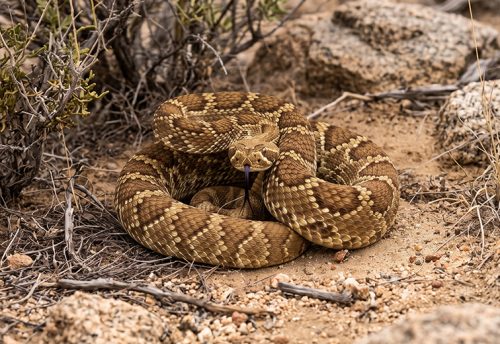
    The Mojave Rattlesnake 23 November, 2026
  • Eurasian goshawk
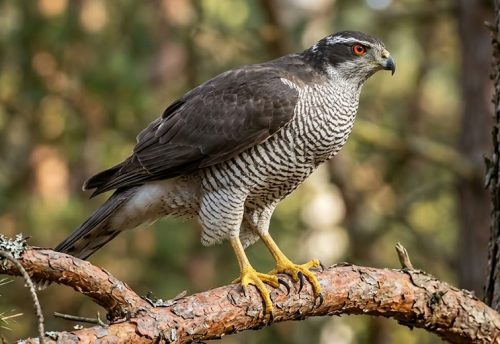
    The Eurasian Goshawk 20 November, 2026
  • common side-blotched lizard
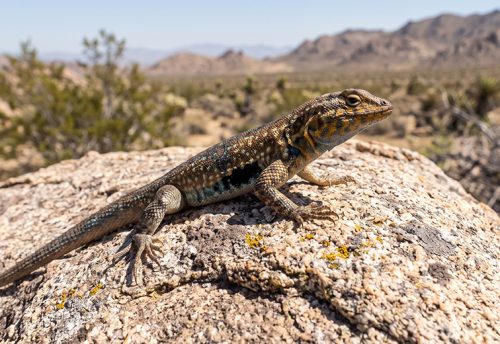
    The Common Side-Blotched Lizard 19 November, 2026
  • Daily Critter Facts
  • Guest Articles
  • BYET
  • Teachers
  • Study Guides
  • Contact

Copyright © 2026, Critter Science. All Rights Reserved.