Critter Science
  • Ecology
    • Animal Conservation
      • Apex Awakening
      • CITES: Protecting Wildlife
      • Dame Jane Goodall
      • Endangered Animals
      • Ex Situ Explained
      • In Situ Explained
      • IUCN Statuses
      • Steve Irwin
      • Zoological Branches
    • Animal Immortality and Regeneration
    • Animal Mimicry
    • Chromatophores and Survival
    • Ecosystems
      • Animal Habitats
      • The Biomes
      • Coastal Erosion
      • Desert Biomes
      • Deserts and Wildlife
      • Earth’s Living Canopies
      • Ocean Habitats
      • Rainforest Types
    • Evolution. The Facts.
      • Animal Devolution
      • Animal Ecotypes
      • Convergent Evolution
      • Carl Linnaeus
      • Charles Darwin
      • Evolution of Amphibians
      • Evolution of Birds
      • Genetic Drift in the Animal Kingdom
      • Insular Dwarfism
      • Naturalism
      • Natural Selection
    • Genetic Pollution
      • Genetic Bottlenecks in Animal Populations
    • Invertebrate Families Explored
      • Arthropod Diversity and Adaptations
      • Cephalopod Consciousness
      • Insect vs Bug
      • The Wonder and Warfare of Coral Reefs
      • What are Arachnids?
        • Spider Webs
    • Predator vs Prey
    • Producers and Consumers
    • Venom vs Poison
    • Vertebrate Families Explored
      • Amphibians: Unseen Guardians
      • Bone and Cartilage
      • Snakes vs Legless Lizards
      • The Triumph of the Ratites
      • What is a Marsupial?
    • The Wild Apothecary
  • Zoology
    • Sustainability
      • Climate Change
      • Earth Day: Past, Present, Future
      • Global Warming
      • Pollution
        • Air Pollution
        • Chemical Pollution
        • Land Pollution
        • Light Pollution
        • Microplastics Pollution
        • Noise Pollution
        • Water Pollution
      • Recycling
        • Recycling Plastics
      • Renewable Energy
    • Animal Behavioral Patterns
      • Aposematic Coloration
      • Avian Communication
      • Animal Thermoregulation
      • Beyond DNA: The Animal Accent
      • Cetacean Communication
      • Cold-Adapted Hypermetabolism
      • Elephant Communication
      • Herpetofauna Communication
      • Primate Language: The Debate
      • The Framework of Ethology
      • The Hidden Sensory Realm
      • Types of Animal Dormancy
    • What are Species?
      • Animal Reproduction
      • Introduced Species
      • Invasive Species
      • John Edward Gray
      • John Gould
      • Keystone Species
      • Lazarus Species: Rediscovered Life
      • Monotypic Species
      • Speciation
      • Species Complex
      • Understanding Animal Subspecies
    • About the Critterman
      • Amphibians Book
  • Daily Critter Facts
    • Amphibian Facts
      • Caecilian Facts
      • Frog Facts
      • Newt Facts
      • Salamander Facts
      • Toad Facts
    • Arthropod Facts
      • Arachnid Facts
      • Insect Facts
    • Bird Facts
      • Flightless Bird Facts
      • Predatory Bird Facts
      • Scavenger Bird Facts
      • Sea Bird Facts
      • Wading Bird Facts
    • Cryptozoology
    • Fish Facts
      • Bivalve Facts
      • Cephalopod Facts
      • Crustacean Facts
      • Jellyfish Facts
      • Reefs
      • Shark and Ray Facts
      • Shellfish Facts
    • Flying Mammal Facts
    • Gastropod Facts
    • Land Mammal Facts
      • Canine Facts
      • Feline Facts
      • Lagomorph Facts
      • Marsupial Facts
      • Mustelid Facts
      • Primate Facts
      • Rodent Facts
      • Ungulate Facts
    • Parasite Facts
    • Reptile Facts
      • Crocodilian Facts
      • Lizard Facts
      • Snake Facts
      • Turtle Facts
    • Sea Mammal Facts
      • Dolphin Facts
      • Porpoise Facts
      • Sea Lion Facts
      • Seal Facts
      • Whale Facts
    • Worm Facts
  • For Teachers
    • Animal Quizzes
      • Amphibian Quiz
      • Bird Quiz
      • Cat Quiz
      • Dog Quiz
      • Dolphin Quiz
      • Insect Quiz
      • Reptile Quiz
    • Amphibians vs Reptiles
    • Animal Skin and Scales
      • Claws, Nails, and Talons
      • Feather Anatomy, Function, & Types
      • Fur and Hair
      • Gecko Feet
    • The Enigmatic Purr
    • Animal Word Search
    • Butterfly Metamorphosis
      • World’s Largest Butterfly
      • World’s Largest Moth
    • The Cellular Structure of an Animal
    • Coloring Pages
    • Fish and Sharks
    • Frogs vs Toads
      • Metamorphosis – A Frog’s Life Cycle
    • Tunnels and Burrows
    • The Science of Naming Animals
    • Study Guides
      • African Animals
      • Antarctica Animals
      • Asian Animals
      • Australian Animals
      • Central American Animals
      • European Animals
      • North American Animals
      • South American Animals
  • Diseases & Parasites
    • Understanding Bird Flu
    • Bsal
    • Canine Distemper Virus (CDV)
    • Chronic Wasting Disease (CWD)
    • The Deadly Chytrid Fungus
    • Plagues of the Wild: Epizootic Diseases
    • All About Parasites
      • Toxoplasmosis
    • The Rabies Virus
    • White-Nose Syndrome
  • Contact
    • Critter Identification
    • General Contact
    • Guest Article Submission
      • Guest Articles
        • Guest Articles – 2024
    • Animal Welfare Organizations
    • Privacy Policy
GET MY BOOK
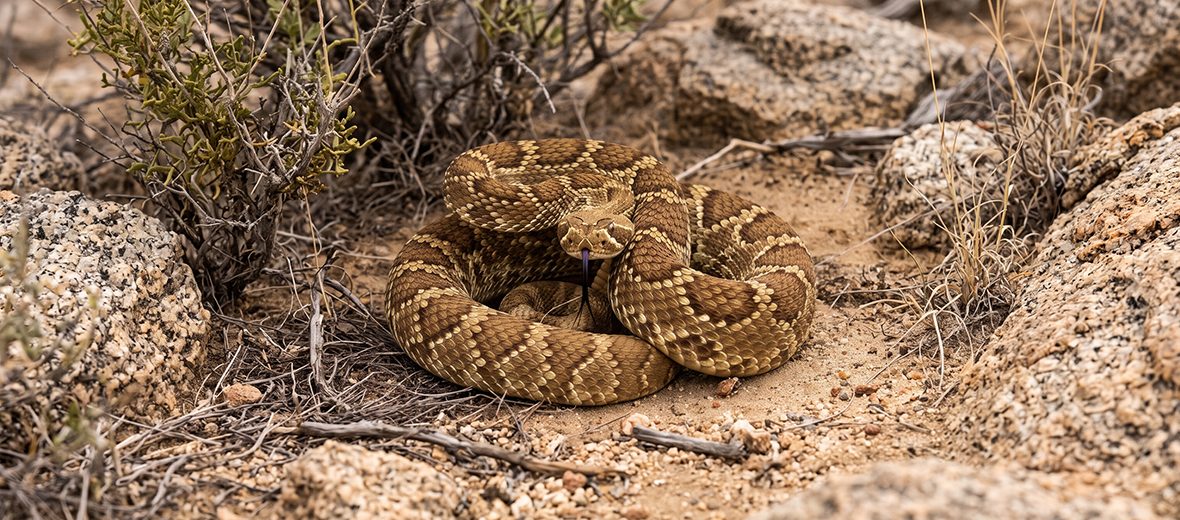
Mojave rattlesnake

The Mojave Rattlesnake

  • 23 November, 2026
  • Critterman
  • No Comments
  • 9 Views
  • 1 Likes
Daily Critter Facts, Reptile Facts, Snake Facts

The Mojave rattlesnake, aka Mohave rattlesnake, northern Mohave rattlesnake, Mojave green rattlesnake, and Mojave green, is a highly venomous pitviper found throughout the deserts of the southwestern United States and far into mainland Mexico. It is perhaps best known for producing 2 distinctly different venom types from different populations. Extensive urban development, residential construction, and agriculture across the Mojave and Sonoran deserts destroy their native scrublands and grasslands. This forces displaced individuals into neighborhoods and backyards. Because they are primarily active during the evening hours and often cross warm desert roads at night, high numbers of individuals are killed by passing vehicles. Due to their reputation for having potent neurotoxic venom and myths about aggression (properly termed defensiveness), people frequently kill them on sight rather than leaving them alone or calling for relocation. Due to climate change, rising temperatures and prolonged droughts in the American Southwest and Mexico alter prey availability and force populations to shift their geographic ranges. Despite these threats, these rattlers are still abundant enough to be listed as Least Concern by the IUCN. Their population trend is listed as stable at this time.

First the Stats…

Scientific name: Crotalus scutulatus
Weight: Up to 1.5 lbs.
Length: Up to 53 inches
Lifespan: Up to 25 years

Now on to the Facts!

1.) ) These rattlers were first scientifically described by American naturalist Robert Kennicott in 1861.

2.) Their preferred habitats are open, arid deserts and scrubland landscapes, rather than thick forests or rugged, rocky slopes.

3.) They are most active from April – September.

4.) These rattlesnakes are primarily ambush predators that prey on mice, rats, gophers, moles, and lizards.

5.) If the temperatures get to cold or hot, they will estivate in burrows excavated by animals like rodents, tortoises, and kit foxes.

But wait, there’s more on the Mojave rattlesnake!

6.) They’re preyed on by bobcats, coyotes, and various raptors.

7.) For decades, the bite of this rattlesnake has been considered to be particularly deadly, and often described as “the” (or “1 of the”) deadliest or most dangerous rattlesnakes in North America.

Did you know…?
Based on their region, there are 3 types of venom: Type A, type B, and type A & B. Type A is a potent presynaptic neurotoxin. Type B is like that of other rattlesnakes, causing severe local tissue destruction and blood-clotting disorders. Type A & B results in a combined neurotoxic and tissue-damaging effect.

8.) The effects are as follows… Type A: Severe systemic neurotoxicity, muscle weakness, and potential respiratory paralysis with minimal local swelling or tissue damage. Type B: Extensive local tissue destruction, severe swelling, internal bleeding, and blood clotting disorders without neurotoxic symptoms. Type A & B: Combined symptoms featuring both rapid local tissue damage/bleeding and systemic neurological deficits.

9.) Typical effects are muscle fiber necrosis (tissue death & myotoxicity), involuntary muscle spasms, neurotoxic or hemotoxic effects, and death, if immediate medical treatment (antivenin) is not administered in time.

10.) Females undergo up to a 170 day gestation (pregnancy) that can yield up to 17 live young.

11.) Like other rattlesnakes, these critters are nocturnal (active at night).

Now a Short Mojave Rattlesnake Video!

Be sure to share & comment below! Also, check out the Critter Science YouTube channel. Videos added regularly. Be sure to like and subscribe!

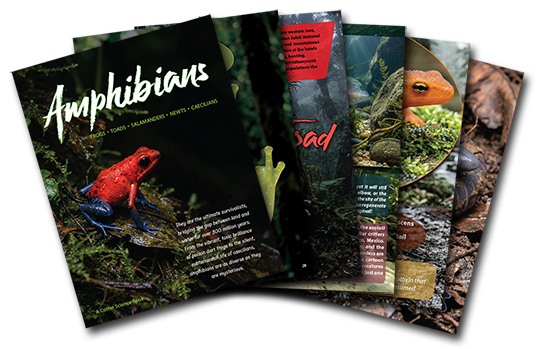
Buy My Book

Select the image below to see everywhere my book is sold.
Subscribe


Want to suggest a critter for me to write about? Let me know here.

Some source material acquired from: Wikipedia & IUCN

Trending
The Central Rock-Rat

MexicoMohave rattlesnakeMojave rattlesnakerattlerrattlesnakereptilereptilessnakesnakesUnited States
Critterman

With over 51 years of critter experience to my credit and hundreds of zoology teaching hours to people around the world, I have amassed not only a continuing thirst for critter knowledge but a desire to teach others all I can about the majesty and wonder of our natural world. Critter Science is a culmination of such knowledge. I have hands on as well as book acquired intel on all kinds of critters. Whether they're on land, sea, or in the air. I will never say that I know everything about all animals. That's impossible, even for a savant. But, that being said, ask me any animal question and I'll answer it. If I don't know the answer, I'll get an answer for you!

The Eurasian Goshawk
Related Posts
  • Eurasian goshawk
    The Eurasian Goshawk 20 November, 2026
  • common side-blotched lizard
    The Common Side-Blotched Lizard 19 November, 2026
  • Malagasy civet
    The Malagasy Civet 18 November, 2026
  • Daily Critter Facts
  • Guest Articles
  • BYET
  • Teachers
  • Study Guides
  • Contact

Copyright © 2026, Critter Science. All Rights Reserved.