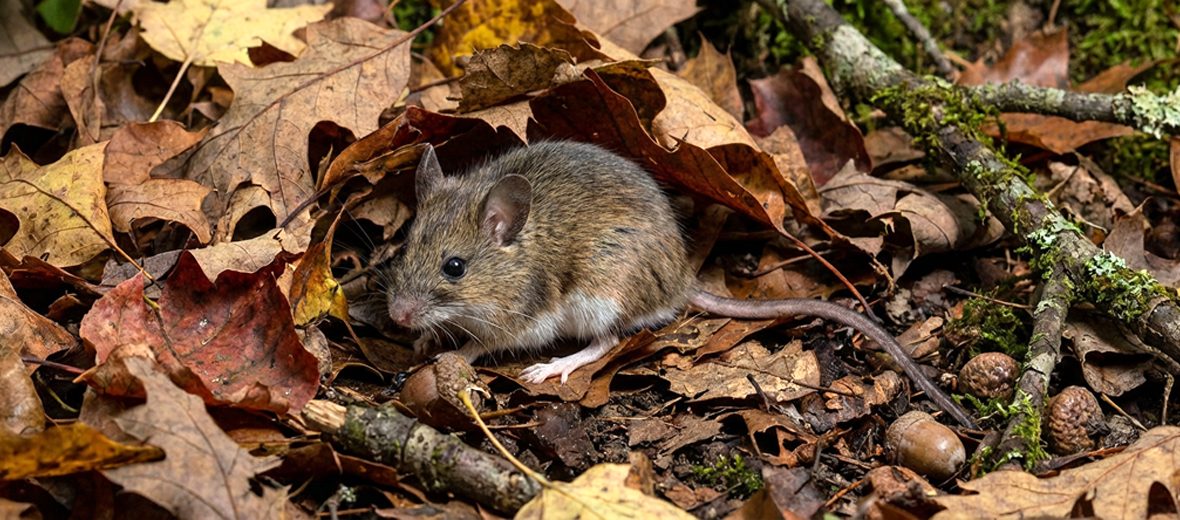
The white-footed mouse, aka woodmouse (although that is an erroneous common name), is closely related to deer mice. Being so abundant and widespread has its challenges. For instance, they are threatened by habitat loss and destruction, due to residential and commercial developments, as well as roads and railroads that can result in vehicle strike (being hit by vehicles), and which divides their natural territories; climate change that can cause severe winters, which can result in starvation; infanticide via males who often kill the pups they did not father; parasitic infestations in the form of botfly larvae, mites, ticks, fleas, and various worms; they also can suffer from diseases like Tyzzer’s disease, which can cause high mortality; and finally, in urban environments, they are often exposed to high concentrations of heavy metals, like lead and mercury. However, despite all these challenges, they are abundant enough to be listed as Least Concern by the IUCN. Their population trend is listed as stable.
First the Stats…
Scientific name: Peromyscus leucopus
Weight: Up to 1.1 ounce
Length: Up to 4.25 inches, plus up to a 3.9 inch tail
Lifespan: Up to 8.2 years
Now on to the Facts!
1.) These mice are omnivorous (eat plant and animal matter) and feast upon seeds, various plants, and insects (primarily moths).
2.) They are rather scared of humans. That being said, they will occasionally take up residence in ground-floor walls of homes and apartments, where they will build nests and store food.
3.) Most of their time is spent in trees and bushes, making them arboreal.
4.) Sometimes they will take over abandoned bird nests and build a roof on the nest to shelter them from rain.
5.) Just like deer mice, these mice may carry hantaviruses, that can cause severe illness in humans. They have also been found to be a competent host for the Lyme disease–causing spirochete.
But wait, there’s more on the white-footed mouse!
6.) They are 1 of the most common species of mouse utilized as laboratory mice after the house mouse.
7.) These mice have also been widely domesticated and are kept as pets. There are numerous color morphs available, too.
Did you know…?
New York City populations are so isolated by dense human infrastructure that the limited gene flow caused by human activities, coupled with a bottleneck event in urban populations has been strong enough to lead to evolutionary divergence of urban white-footed mice.
8.) Females undergo up to a 35+ day gestation (pregnancy) that yields up to 8 pups.
9.) A female can mate and produce up to 8 litters per year.
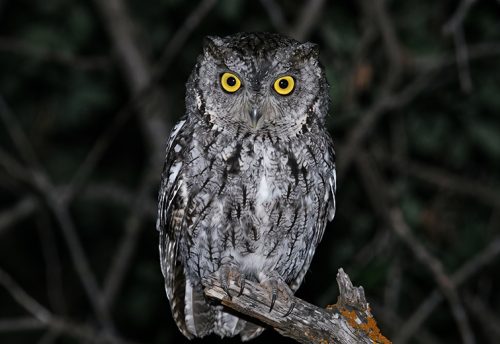
10.) Bobcats, coyotes, foxes, hawks, owls, skunks, snakes, raccoons, and weasels all prey on these mice.
11.) Like other mice, they are nocturnal (active at night).
Now a Short White-Footed Mouse Video!
Be sure to share & comment below! Also, check out the Critter Science YouTube channel. Videos added regularly. Be sure to like and subscribe!

Want to suggest a critter for me to write about? Let me know here.
Some source material acquired from: Wikipedia & IUCN