Critter Science
  • Zoology
    • Ecology
      • Animal Conservation
        • CITES: Protecting Wildlife
        • Dame Jane Goodall
        • Endangered Animals
        • Ex Situ Explained
        • In Situ Explained
        • IUCN Statuses
        • Zoological Branches
      • Chromatophores and Survival
      • Ecosystems
        • Animal Habitats
        • The Biomes
        • Coastal Erosion
        • Rainforest Types
      • Evolution. The Facts.
        • Animal Devolution
        • Animal Mimicry
        • Convergent Evolution
        • Carl Linnaeus
        • Charles Darwin
        • Evolution of Amphibians
        • Evolution of Birds
        • Genetic Drift in the Animal Kingdom
        • Naturalism
        • Natural Selection
        • Venom vs Poison
      • Invertebrate Families Explored
        • What are Arachnids?
          • Spider Webs
      • Predator vs Prey
      • Producers and Consumers
      • Vertebrate Animal Families
        • Snakes vs Legless Lizards
        • What is a Marsupial?
      • The Wild Apothecary
    • Sustainability
      • Climate Change
      • Global Warming
      • Pollution
        • Air Pollution
        • Land Pollution
        • Light Pollution
        • Microplastics Pollution
        • Noise Pollution
        • Water Pollution
      • Recycling
        • Recycling Plastics
      • Renewable Energy
    • Animal Behavioral Patterns
      • Avian Communication
      • Cetacean Communication
      • Elephant Communication
      • Herpetofauna Communication
      • Primate Language: The Debate
      • Types of Animal Dormancy
    • What are Species?
      • Amphibians vs Reptiles
      • Animal Reproduction
      • Animal Skin and Scales
      • Claws, Nails, and Talons
      • Fur and Hair
      • Gecko Feet
      • Invasive Species
      • Lazarus Species: Rediscovered Life
      • Speciation
      • Species Complex
      • The Enigmatic Purr
    • About the Critterman
  • Daily Critter Facts
    • Amphibian Facts
      • Frog Facts
      • Newt Facts
      • Salamander Facts
      • Toad Facts
    • Arthropod Facts
      • Arachnid Facts
      • Insect Facts
    • Bird Facts
      • Flightless Bird Facts
      • Predatory Bird Facts
      • Scavenger Bird Facts
      • Wading Bird Facts
    • Cryptozoology
    • Fish Facts
      • Cephalopod Facts
      • Crustacean Facts
      • Jellyfish Facts
      • Reefs
      • Shark and Ray Facts
      • Shellfish Facts
    • Flying Mammal Facts
    • Gastropod Facts
    • Land Mammal Facts
      • Canine Facts
      • Feline Facts
      • Lagomorph Facts
      • Marsupial Facts
      • Mustelid Facts
      • Primate Facts
      • Rodent Facts
      • Ungulate Facts
    • Parasite Facts
    • Reptile Facts
      • Crocodilian Facts
      • Lizard Facts
      • Snake Facts
      • Turtle Facts
    • Sea Mammal Facts
      • Dolphin Facts
      • Porpoise Facts
      • Sea Lion Facts
      • Seal Facts
      • Whale Facts
    • Worm Facts
  • For Teachers
    • Animal Quizzes
      • Amphibian Quiz
      • Bird Quiz
      • Cat Quiz
      • Dog Quiz
      • Dolphin Quiz
      • Insect Quiz
      • Reptile Quiz
    • Animal Word Search
    • Butterfly Life Cycle
      • Butterfly Metamorphosis
      • World’s Largest Butterfly
      • World’s Largest Moth
    • The Cellular Structure of an Animal
    • Coloring Pages
    • Fish and Sharks
    • Frogs vs Toads
    • Insect vs Bug
    • Metamorphosis – A Frog’s Life Cycle
  • Study Guides
    • African Animals
    • Antarctica Animals
    • Asian Animals
    • Australian Animals
    • Central American Animals
    • European Animals
    • North American Animals
    • South American Animals
  • Diseases & Parasites
    • Bsal
    • Canine Distemper Virus (CDV)
    • Chronic Wasting Disease (CWD)
    • The Deadly Chytrid Fungus
    • All About Parasites
    • The Rabies Virus
    • Toxoplasmosis
    • White-Nose Syndrome
  • Contact
    • General Contact
    • Guest Article Submission
      • Guest Articles
        • Guest Articles – 2024
    • What Critter is This?
    • Animal Welfare Organizations
    • Privacy Policy
Subscribe

Slide DAILY CRITTER FACTS DAILY CRITTER FACTS
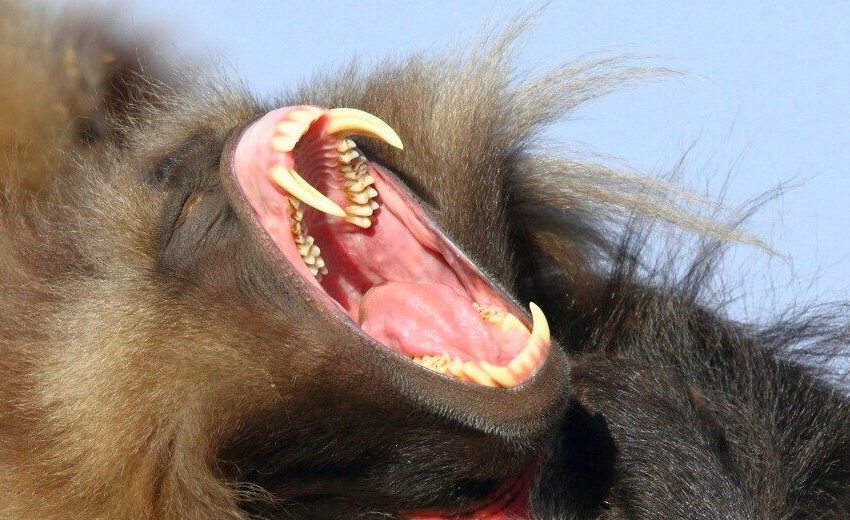
gelada

The Gelada, Not Gelato

  • 1 January, 2019
  • Critterman
  • No Comments
  • 1815 Views
  • 5 Likes
Daily Critter Facts, Land Mammal Facts, Primate Facts

Being the last remaining members of a once thriving species of primates, the gelada (pronounced jeh-lah-da) are 200,000 strong and take up residence in the Ethiopian highlands. They are primarily herbivorous (eat mainly plant matter) grass eaters that live in troops of
Read More...
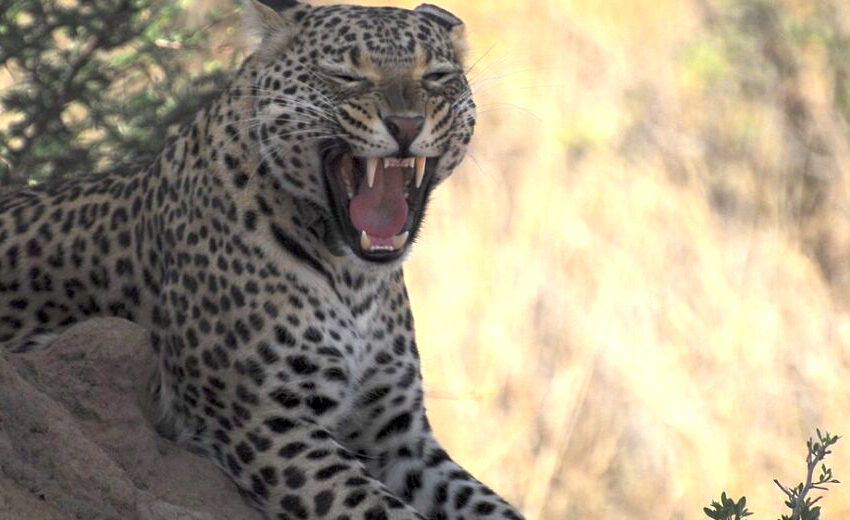
leopard

The Secretive Leopard

  • 31 December, 2018
  • Critterman
  • No Comments
  • 955 Views
  • 1 Likes
Daily Critter Facts, Feline Facts, Land Mammal Facts

The leopard sneaks and preys throughout deserts & semi-desert regions, arid regions, mountainous environments, savanna grasslands, rainforests, and occasionally even urban areas. The leopard is a very elusive cat that hunts

Read More...
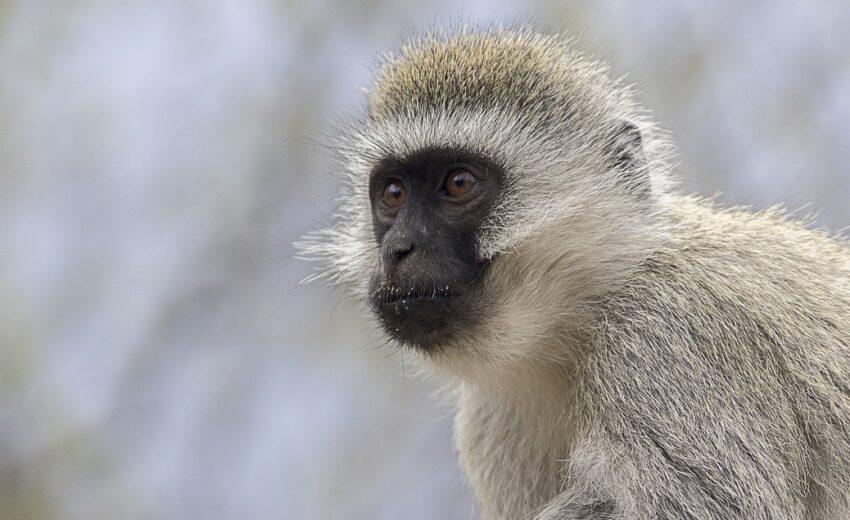
vervet monkey

The Vervet Monkeys

  • 27 December, 2018
  • Critterman
  • No Comments
  • 948 Views
  • 1 Likes
Daily Critter Facts, Land Mammal Facts, Primate Facts

The vervet monkeys are old world monkeys from Africa. They inhabit forests, scrublands and savannas; preferring areas near the streams and rivers. These monkeys also inhabit human settlements as there is often a

Read More...
eland

The Lumbering Eland

  • 27 December, 2018
  • Critterman
  • No Comments
  • 900 Views
  • 1 Likes
Daily Critter Facts, Land Mammal Facts, Ungulate Facts

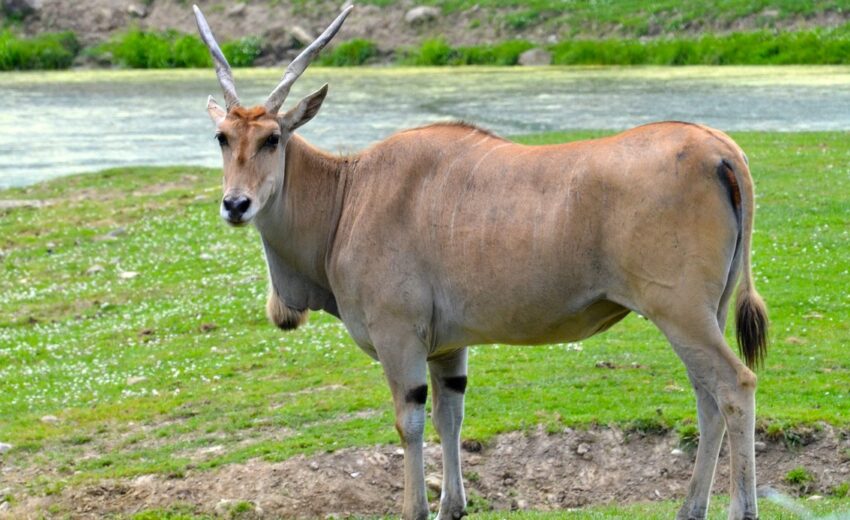
Slowly lumbering its way into today’s article is the eland. The eland is the largest and slowest antelope. You can find these beasts on the open plains, sub-desert, savanna, and

Read More...
pangolin

The Endangered Pangolin

  • 26 December, 2018
  • Critterman
  • No Comments
  • 1159 Views
  • 1 Likes
Daily Critter Facts, Land Mammal Facts

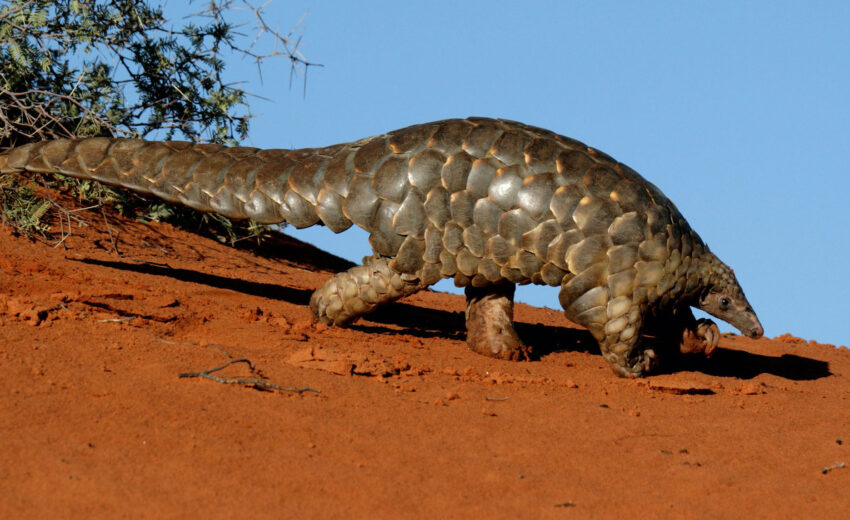
The pangolin, aka scaly anteater, is the only mammal to be covered (head to toe) in keratin scales (the same material in human hair and fingernails). Their scales make up about 20% of a Pangolin’s weight! Pangolins are

Read More...
reindeer

Ho, Ho, Ho, It’s a Reindeer!

  • 25 December, 2018
  • Critterman
  • No Comments
  • 648 Views
  • 2 Likes
Daily Critter Facts, Land Mammal Facts, Ungulate Facts

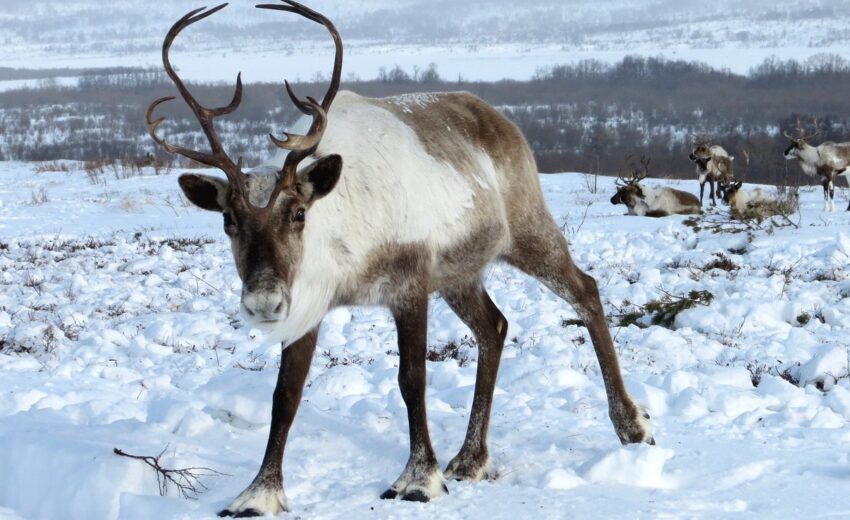
Reindeer (aka caribou), contrary to popular legend do not fly, have red noses, nor do they carry Santa’s sleigh through the skies. That doesn’t mean they aren’t still cool… literally! Hey, they live way up north where

Read More...
ostrich

Welcome the World’s Tallest Bird… The Ostrich

  • 24 December, 2018
  • Critterman
  • No Comments
  • 2116 Views
  • 4 Likes
Daily Critter Facts, Bird Facts, Flightless Bird Facts

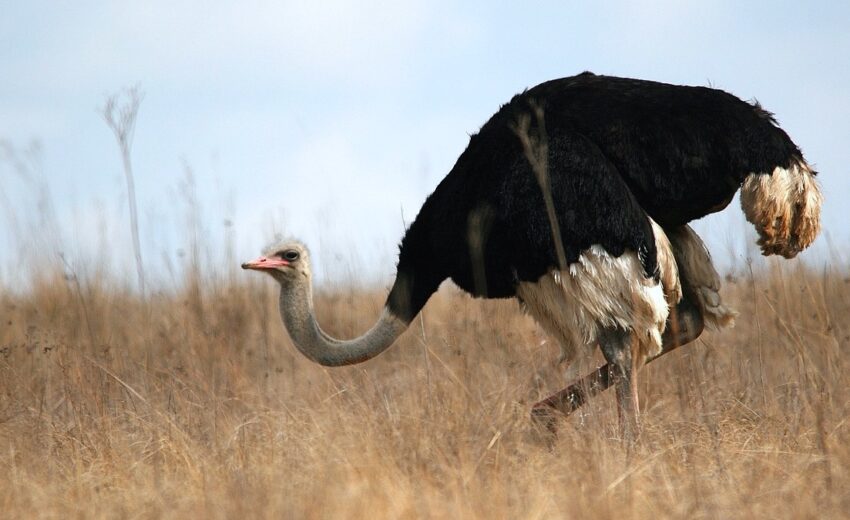
Boasting not only the greatest avian height but the largest eyes of any land animal (in comparison to it’s body), we have the ostrich. These birds are native to Africa’s semi-arid plains and woodlands. They may not be able to fly, but they can certainly defend themselves. They have

Read More...
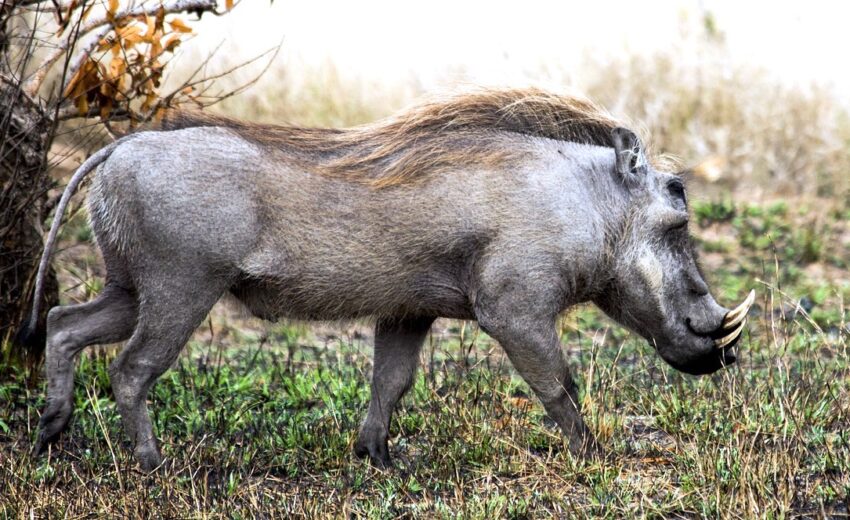
warthog

The Not-So-Handsome Warthog

  • 21 December, 2018
  • Critterman
  • No Comments
  • 1863 Views
  • 2 Likes
Daily Critter Facts, Land Mammal Facts

The warthog can be found in Africa’s southern Sudan and southwestern Ethiopia, in savanna woodland and grasslands. They aren’t picky about what they call home either. These critters will typically forgo digging their own burrow, instead inhabiting abandoned

Read More...
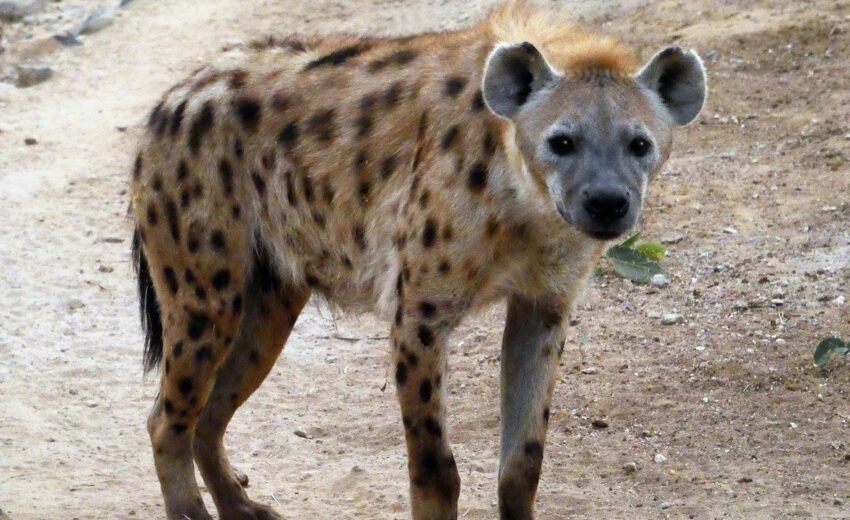
hyena

Laughing Hyena? What’s So Funny?

  • 20 December, 2018
  • Critterman
  • No Comments
  • 2481 Views
  • 3 Likes
Daily Critter Facts, Canine Facts, Land Mammal Facts

The spotted hyena, also known as the laughing hyena, is native to Sub-Saharan Africa. When people think of hyenas, they typically think of laughing calls and a voracious appetite! They are also fiercely competitive and have extremely powerful

Read More...
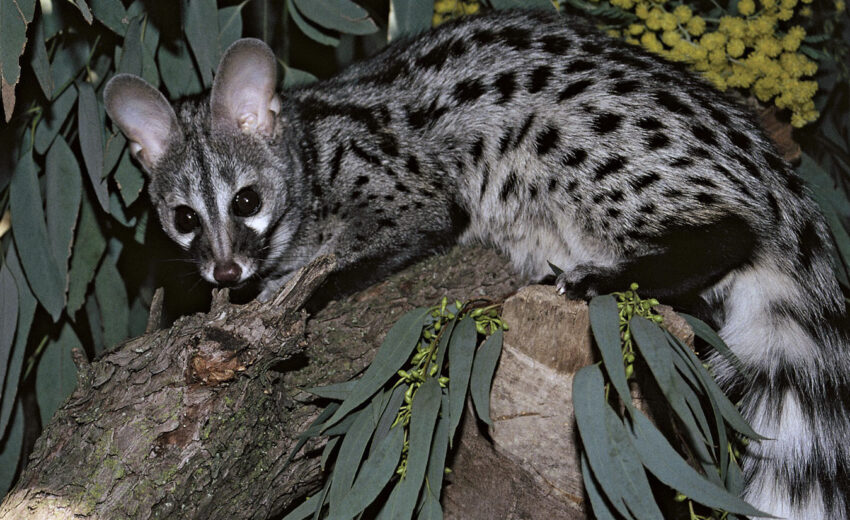
genet

The Catlike Genet of Africa

  • 18 December, 2018
  • Critterman
  • No Comments
  • 1743 Views
  • 3 Likes
Daily Critter Facts, Feline Facts, Land Mammal Facts

Inhabiting forests, rocky hillsides, marshes, scrublands, and agricultural lands we have the genet. These nocturnal (active at night), catlike creatures inhabit a wide range in Africa and these critters are threatened by habitat loss and hunted because of their fur and

Read More...
1 … 179 180 181 182 183 … 192

Search Critter Science

Subscribe

I’ve Been Featured On…


Recent Posts

  • tufted jay
    The Tufted Jay

    Feb 10, 20260

  • Amazonian giant centipede
    The Amazonian Giant Centipede

    Feb 9, 20260

  • long-toed salamander
    The Long-Toed Salamander

    Feb 6, 20260

  • ghost bat
    The Ghost Bat

    Feb 5, 20260

  • great desert skink
    The Great Desert Skink

    Feb 4, 20260

Past Articles

Follow Critter Science

Recent Comments

  • Momm on The Northern Muriqui
  • I will not tell u my name >:( on The Cozumel Raccoon
  • Critterman on The Black Widow Spider
  • Jett on The Black Widow Spider
  • Elizabeth on The Pink Fairy Armadillo

Categories

Spread the Word

  • Daily Critter Facts
  • Guest Articles
  • BYET
  • Teachers
  • Study Guides
  • Contact

Copyright © 2025, Critter Science. All Rights Reserved.