Critter Science
  • Zoology
    • Ecology
      • Animal Conservation
        • CITES: Protecting Wildlife
        • Dame Jane Goodall
        • Endangered Animals
        • Ex Situ Explained
        • In Situ Explained
        • IUCN Statuses
        • Steve Irwin
        • Zoological Branches
      • Animal Immortality and Regeneration
      • Chromatophores and Survival
      • Ecosystems
        • Animal Habitats
        • The Biomes
        • Coastal Erosion
        • Desert Biomes and Wildlife
        • Rainforest Types
      • Evolution. The Facts.
        • Animal Devolution
        • Animal Mimicry
        • Convergent Evolution
        • Carl Linnaeus
        • Charles Darwin
        • Evolution of Amphibians
        • Evolution of Birds
        • Genetic Drift in the Animal Kingdom
        • Naturalism
        • Natural Selection
      • Genetic Pollution
      • Invertebrate Families Explored
        • Arthropod Diversity and Adaptations
        • What are Arachnids?
          • Spider Webs
      • Predator vs Prey
      • Producers and Consumers
      • Venom vs Poison
      • Vertebrate Families Explored
        • Amphibians: Unseen Guardians
        • Snakes vs Legless Lizards
        • What is a Marsupial?
      • The Wild Apothecary
    • Sustainability
      • Climate Change
      • Earth Day: Past, Present, Future
      • Global Warming
      • Pollution
        • Air Pollution
        • Chemical Pollution
        • Land Pollution
        • Light Pollution
        • Microplastics Pollution
        • Noise Pollution
        • Water Pollution
      • Recycling
        • Recycling Plastics
      • Renewable Energy
    • Animal Behavioral Patterns
      • Avian Communication
      • Animal Thermoregulation
      • Cetacean Communication
      • Elephant Communication
      • Herpetofauna Communication
      • Primate Language: The Debate
      • Types of Animal Dormancy
    • What are Species?
      • Animal Reproduction
      • Invasive Species
      • Keystone Species
      • Lazarus Species: Rediscovered Life
      • Speciation
      • Species Complex
      • Understanding Animal Subspecies
    • About the Critterman
  • Daily Critter Facts
    • Amphibian Facts
      • Frog Facts
      • Newt Facts
      • Salamander Facts
      • Toad Facts
    • Arthropod Facts
      • Arachnid Facts
      • Insect Facts
    • Bird Facts
      • Flightless Bird Facts
      • Predatory Bird Facts
      • Scavenger Bird Facts
      • Wading Bird Facts
    • Cryptozoology
    • Fish Facts
      • Cephalopod Facts
      • Crustacean Facts
      • Jellyfish Facts
      • Reefs
      • Shark and Ray Facts
      • Shellfish Facts
    • Flying Mammal Facts
    • Gastropod Facts
    • Land Mammal Facts
      • Canine Facts
      • Feline Facts
      • Lagomorph Facts
      • Marsupial Facts
      • Mustelid Facts
      • Primate Facts
      • Rodent Facts
      • Ungulate Facts
    • Parasite Facts
    • Reptile Facts
      • Crocodilian Facts
      • Lizard Facts
      • Snake Facts
      • Turtle Facts
    • Sea Mammal Facts
      • Dolphin Facts
      • Porpoise Facts
      • Sea Lion Facts
      • Seal Facts
      • Whale Facts
    • Worm Facts
  • For Teachers
    • Animal Quizzes
      • Amphibian Quiz
      • Bird Quiz
      • Cat Quiz
      • Dog Quiz
      • Dolphin Quiz
      • Insect Quiz
      • Reptile Quiz
    • Amphibians vs Reptiles
    • Animal Skin and Scales
      • Claws, Nails, and Talons
      • Feather Anatomy, Function, & Types
      • Fur and Hair
    • Gecko Feet
    • The Enigmatic Purr
    • Animal Word Search
    • Butterfly Metamorphosis
      • World’s Largest Butterfly
      • World’s Largest Moth
    • The Cellular Structure of an Animal
    • Coloring Pages
    • Fish and Sharks
    • Frogs vs Toads
    • Insect vs Bug
    • Metamorphosis – A Frog’s Life Cycle
  • Study Guides
    • African Animals
    • Antarctica Animals
    • Asian Animals
    • Australian Animals
    • Central American Animals
    • European Animals
    • North American Animals
    • South American Animals
  • Diseases & Parasites
    • Bsal
    • Canine Distemper Virus (CDV)
    • Chronic Wasting Disease (CWD)
    • The Deadly Chytrid Fungus
    • All About Parasites
    • The Rabies Virus
    • Toxoplasmosis
    • White-Nose Syndrome
  • Contact
    • General Contact
    • Guest Article Submission
      • Guest Articles
        • Guest Articles – 2024
    • What Critter is This?
    • Animal Welfare Organizations
    • Privacy Policy
Subscribe
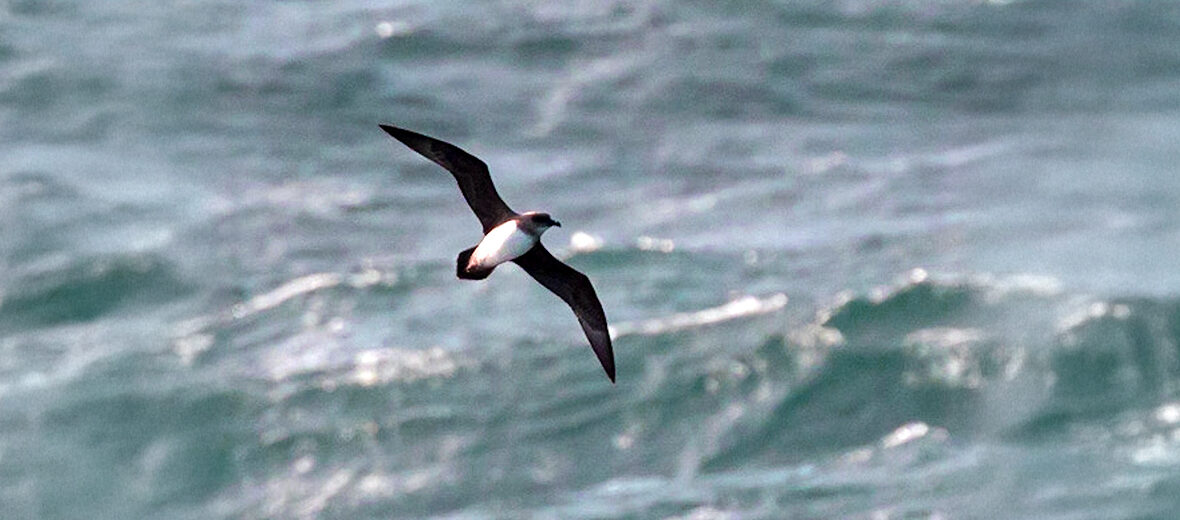
Atlantic petrel

The Atlantic Petrel

  • 26 September, 2025
  • Critterman
  • No Comments
  • 138 Views
  • 1 Likes
Bird Facts, Daily Critter Facts

The Atlantic petrel is a gadfly petrel endemic to the South Atlantic Ocean. Gadly petrels are so named due to their speedy, weaving flight, almost as if evading gadflies (horse flies). These birds face the threats of hunting; trapping; invasive species, and with them predation of chicks and eggs; land pollution; water pollution; microplastics pollution; and climate change, and with it severe storms and flooding. The IUCN lists these petrels as Endangered. Their population trend is listed as decreasing.

First the Stats…

Scientific name: Pterodroma incerta
Weight: Up to 18.34 ounces
Length: Up to 16.93 inches
Wingspan: Up to 41 inches
Lifespan: Up to 15.6 years

Now on to the Facts!

1.) There are an estimated 1,800,000 wild individuals remaining.

2.) These birds can be found from South America to South Africa.

3.) 90% of the global population is found on Gough Island.

4.) Squid makes up to 87% of their diet, followed by lanternfish, other various other fish, and crustaceans.

5.) Atlantic petrels are mostly nocturnal (active at night).

But wait, there’s more on the Atlantic petrel!

6.) These petrels breed in massive colonies on Tristan da Cunha and Gough Island.

7.) They are preyed on primarily by house mice, which have grown to nearly twice the size of their continental counterparts. This is known as island syndrome.

Did you know…?
Island syndrome is where an animal evolves differently due to the various ecological pressures affecting insular species, including a reduction of large predators and herbivores as well as a consistently mild climate; coupled with an abundance of food.

8.) Chick failure was 87% in 2014 – 2015, with chicks attacked by mice within 2 hours of hatching and dead within 3 – 7 hours later.

9.) On Tristan da Cunha, introduced rats and mice are abundant and have likely contributed to the near extirpation of these Petrels from this island.

10.) Females lay a single egg that hatches in up to 30+ days.

But wait, there’s still more on the Atlantic petrel!

11.) The chick fledges in up to a rather lengthy 140 days after hatching.

12.) Beginning around circa 1970s, on Tristan da Cunha, there have been programs to teach inhabitants to learn about this species and why it is important for the ecosystem.

13.) Studies on the house mouse have been concentrated on ways to eradicate mice on Gough Island, minimizing the risk of introducing other invasive species, and discovering better methods to understand the Atlantic petrel’s habits.

14.) Previously listed as Vulnerable, these petrels were uplisted to Endangered in 2008.

Now a Short Atlantic Petrel Video!

Be sure to share & comment below! Also, check out the Critter Science YouTube channel. Videos added regularly!

Subscribe


Want to suggest a critter for me to write about? Let me know here.

Some source material acquired from: Wikipedia & IUCN

Photo credit: iNaturalist

Trending
The Chubby Chuckwalla

AtlanticAtlantic OceanAtlantic petrelbirdbirdseggendangeredislandislandsoceanoceanicpetrelpetrelspredatorprey
Critterman

With over 50 years of critter experience to my credit and hundreds of zoology teaching hours to people around the world, I have amassed not only a continuing thirst for critter knowledge but a desire to teach others all I can about the majesty and wonder of our natural world. Critter Science is a culmination of such knowledge. I have hands on as well as book acquired intel on all kinds of critters. Whether they're on land, sea, or in the air. I will never say that I know everything about all animals. That's impossible, even for a savant. But, that being said, ask me any animal question and I'll answer it. If I don't know the answer, I'll get an answer for you!

The Blainville’s Beaked Whale
The Chinese Ferret-Badger
Related Posts
  • Fowler's toad
    The Fowler’s Toad 15 May, 2026
  • arboreal salamander
    The Arboreal Salamander 14 May, 2026
  • Olympic marmot
    The Olympic Marmot 13 May, 2026

Leave a Reply Cancel Reply

Your email address will not be published. Required fields are marked *

  • Daily Critter Facts
  • Guest Articles
  • BYET
  • Teachers
  • Study Guides
  • Contact

Copyright © 2025, Critter Science. All Rights Reserved.