Critter Science
  • Zoology
    • Ecology
      • Animal Conservation
        • CITES: Protecting Wildlife
        • Endangered Animals
        • Ex Situ Explained
        • In Situ Explained
        • Zoological Branches
      • Chromatophores and Survival
      • Ecosystems
        • Animal Habitats
        • The Biomes
        • Coastal Erosion
        • Rainforest Types
      • Evolution. The Facts.
        • Animal Devolution
        • What are Arachnids?
          • Spider Webs
        • Carl Linnaeus
        • Charles Darwin
        • Dame Jane Goodall
        • Evolution of Amphibians
        • Evolution of Birds
        • Genetic Drift in the Animal Kingdom
        • Naturalism
        • Natural Selection
        • What is a Marsupial?
      • Invertebrate Families Explored
      • Predator vs Prey
      • Producers and Consumers
      • Vertebrate Animal Families
    • Sustainability
      • Climate Change
      • Global Warming
      • Pollution
        • Air Pollution
        • Land Pollution
        • Light Pollution
        • Microplastics Pollution
        • Noise Pollution
        • Water Pollution
      • Recycling
        • Recycling Plastics
      • Renewable Energy
    • Animal Behavioral Patterns
      • Avian Communication
      • Elephant Communication
      • Herpetofauna Communication
      • Primate Language: The Debate
      • Types of Animal Dormancy
    • What are Species?
      • Amphibians vs Reptiles
      • Animal Reproduction
      • Claws, Nails, and Talons
      • Fur and Hair
      • Gecko Feet
      • Invasive Species
      • IUCN Statuses
      • Speciation
      • Species Complex
      • The Enigmatic Purr
      • Venom vs Poison
      • What is a Marsupial?
    • About the Critterman
  • Daily Critter Facts
    • Amphibian Facts
      • Frog Facts
      • Newt Facts
      • Salamander Facts
      • Toad Facts
    • Arthropod Facts
      • Arachnid Facts
      • Insect Facts
    • Bird Facts
      • Flightless Bird Facts
      • Predatory Bird Facts
      • Scavenger Bird Facts
      • Wading Bird Facts
    • Cryptozoology
    • Fish Facts
      • Cephalopod Facts
      • Crustacean Facts
      • Jellyfish Facts
      • Reefs
      • Shark and Ray Facts
      • Shellfish Facts
    • Flying Mammal Facts
    • Gastropod Facts
    • Land Mammal Facts
      • Canine Facts
      • Feline Facts
      • Lagomorph Facts
      • Marsupial Facts
      • Mustelid Facts
      • Primate Facts
      • Rodent Facts
      • Ungulate Facts
    • Parasite Facts
    • Reptile Facts
      • Crocodilian Facts
      • Lizard Facts
      • Snake Facts
      • Turtle Facts
    • Sea Mammal Facts
      • Dolphin Facts
      • Porpoise Facts
      • Sea Lion Facts
      • Seal Facts
      • Whale Facts
    • Worm Facts
  • For Teachers
    • Animal Quizzes
      • Amphibian Quiz
      • Bird Quiz
      • Cat Quiz
      • Dog Quiz
      • Dolphin Quiz
      • Insect Quiz
      • Reptile Quiz
    • Animal Word Search
    • Butterfly Life Cycle
      • Butterfly Metamorphosis
      • World’s Largest Butterfly
      • World’s Largest Moth
    • The Cellular Structure of an Animal
    • Coloring Pages
    • Fish and Sharks
    • Frogs vs Toads
    • Insect vs Bug
    • Metamorphosis – A Frog’s Life Cycle
  • Study Guides
    • African Animals
    • Antarctica Animals
    • Asian Animals
    • Australian Animals
    • Central American Animals
    • European Animals
    • North American Animals
    • South American Animals
  • Diseases & Parasites
    • Bsal
    • Canine Distemper Virus (CDV)
    • Chronic Wasting Disease (CWD)
    • The Deadly Chytrid Fungus
    • All About Parasites
    • The Rabies Virus
    • Toxoplasmosis
    • White-Nose Syndrome
  • Contact
    • General Contact
    • Guest Article Submission
      • Guest Articles
        • Guest Articles – 2024
    • What Critter is This?
    • Animal Welfare Organizations
    • Privacy Policy
Subscribe

Slide DAILY CRITTER FACTS DAILY CRITTER FACTS
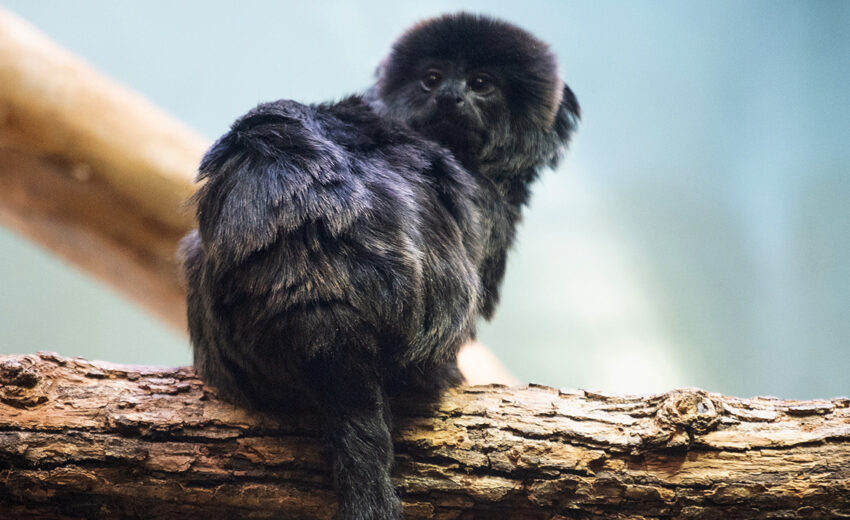
Goeldi's marmoset

The Goeldi’s Marmoset

  • 21 May, 2021
  • Critterman
  • No Comments
  • 758 Views
  • 1 Likes
Daily Critter Facts, Land Mammal Facts, Primate Facts
The Goeldi’s marmoset, aka Goeldi’s monkey or callimicos, can be found in the tropical rainforests of Bolivia, Colombia, Brazil, Ecuador, and also Peru. These social and diminutive primates can be found in smaller sized groups
Read More...
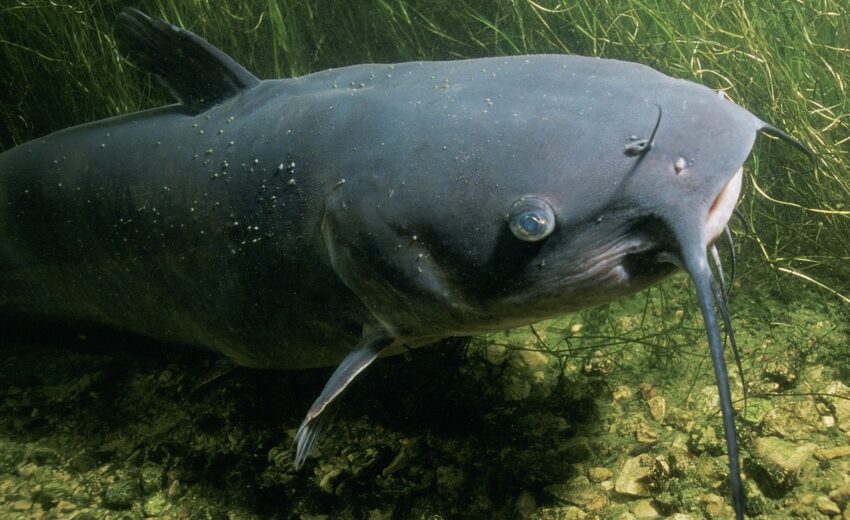
channel catfish

The Channel Catfish

  • 20 May, 2021
  • Critterman
  • No Comments
  • 723 Views
  • 1 Likes
Daily Critter Facts, Fish Facts
The channel catfish, aka channel cat, is the most abundant catfish species in North America. They have populations in Canada, United States, Mexico, Central and South America, Europe, and Asia. They are also considered an invasive species in many countries. Channel cats like deep, cool,
Read More...
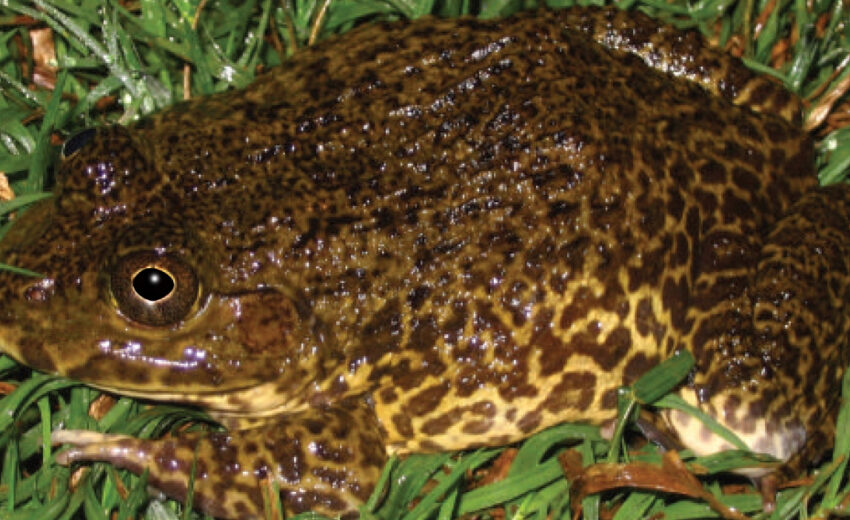
Chinese edible frog

The Chinese Edible Frog

  • 19 May, 2021
  • Critterman
  • No Comments
  • 3025 Views
  • 2 Likes
Daily Critter Facts, Amphibian Facts, Frog Facts
The Chinese edible frog, aka Taiwanese frog or East Asian bullfrog, hails from Cambodia, Laos, Macau, Malaysia, Myanmar, China, Hong Kong, the Philippines, Taiwan, Thailand, and Vietnam. They tolerate a wide variety of habitats, including: freshwater marshes, intermittent
Read More...
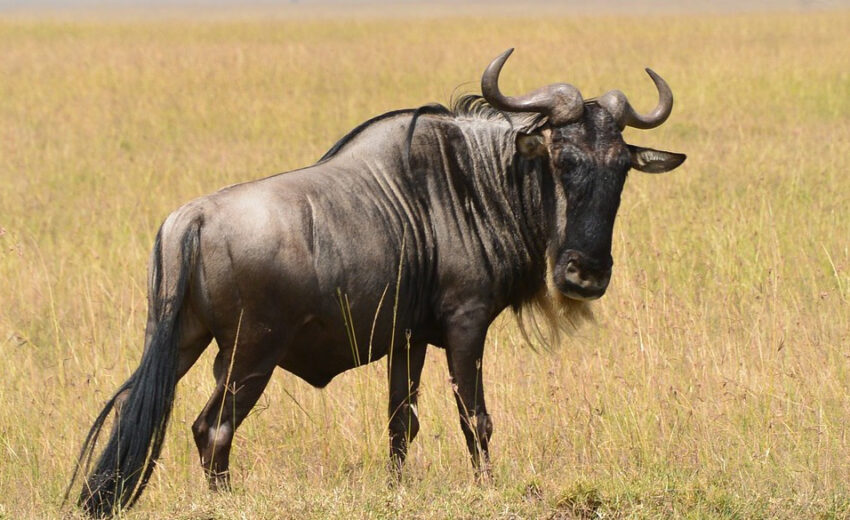
wildebeest

The Abundant Wildebeest

  • 18 May, 2021
  • Critterman
  • No Comments
  • 516 Views
  • 2 Likes
Daily Critter Facts, Land Mammal Facts, Ungulate Facts
The wildebeest, aka gnu, is a member of the antelope family. They hail from the central, eastern, and southern parts of Africa. These critters prefer open woodlands and green plains
Read More...
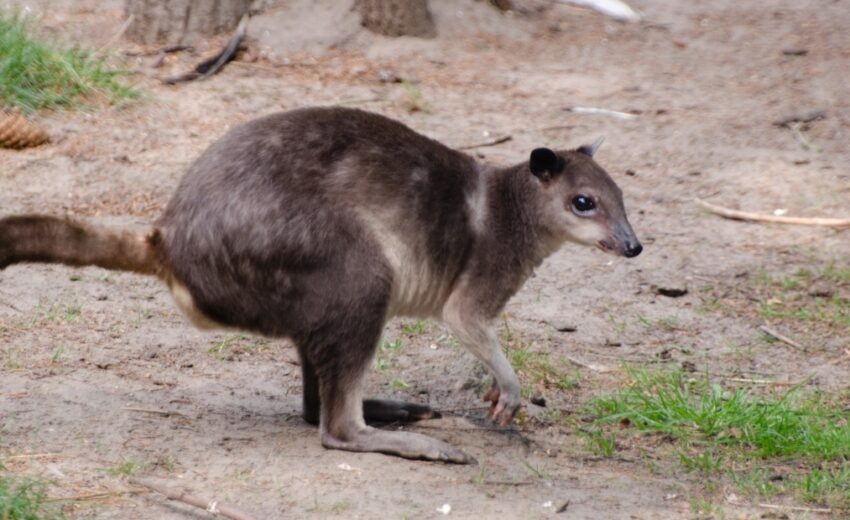
white-striped dorcopsis

The White-Striped Dorcopsis

  • 17 May, 2021
  • Critterman
  • No Comments
  • 1409 Views
  • 1 Likes
Daily Critter Facts, Land Mammal Facts, Marsupial Facts
The white-striped dorcopsis, aka greater forest wallaby, is found in the northern part of West Papua, Papua New Guinea, and Indonesia. They prefer primary and secondary tropical forests. These marsupials (carry their young in an abdominal pouch, or marsupium) are related to
Read More...
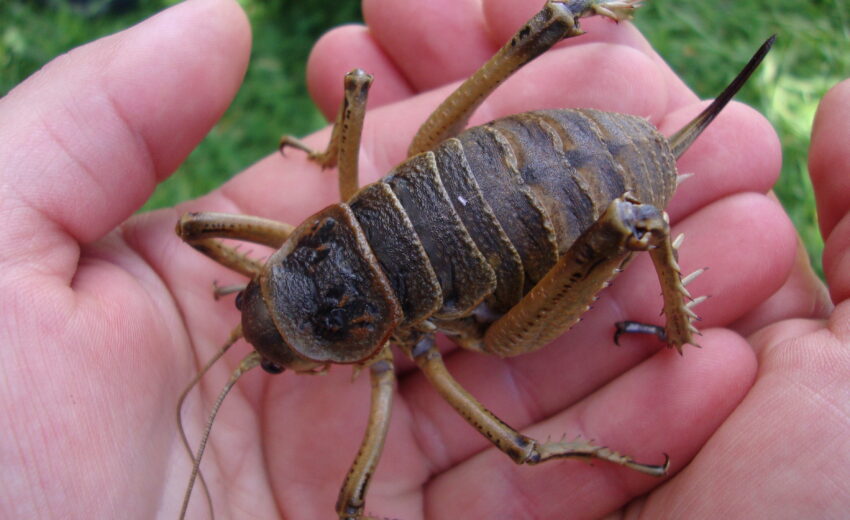
giant wētā

The Giant Weta

  • 14 May, 2021
  • Critterman
  • No Comments
  • 2269 Views
  • 6 Likes
Daily Critter Facts, Arthropod Facts, Insect Facts
Reportedly one of, if not the heaviest known insects in the world, it’s the giant weta. These New Zealand natives have jaws strong enough to cut through carrots. There are 70 known species of weta. 11 species are in the giant category. They have been nearly wiped out on the […]
Read More...
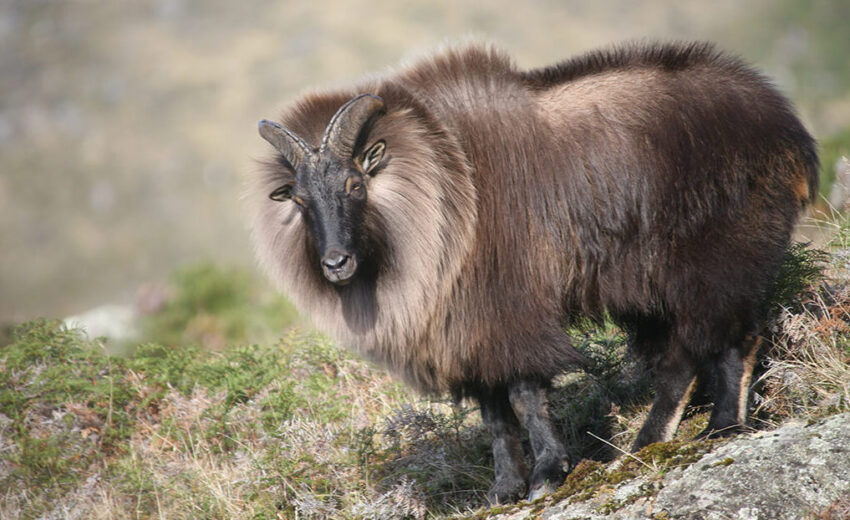
Himalayan tahr

The Himalayan Tahr

  • 13 May, 2021
  • Critterman
  • 1 Comment
  • 3254 Views
  • 6 Likes
Daily Critter Facts, Land Mammal Facts, Ungulate Facts
Enter the Himalayan tahr, a large wild goat that lives its life around the mountain forests, mountain slopes, and also the alpine pastures on the Himalayas in India, Nepal, and Tibet. These big goats have also been introduced to North America, New Zealand,
Read More...
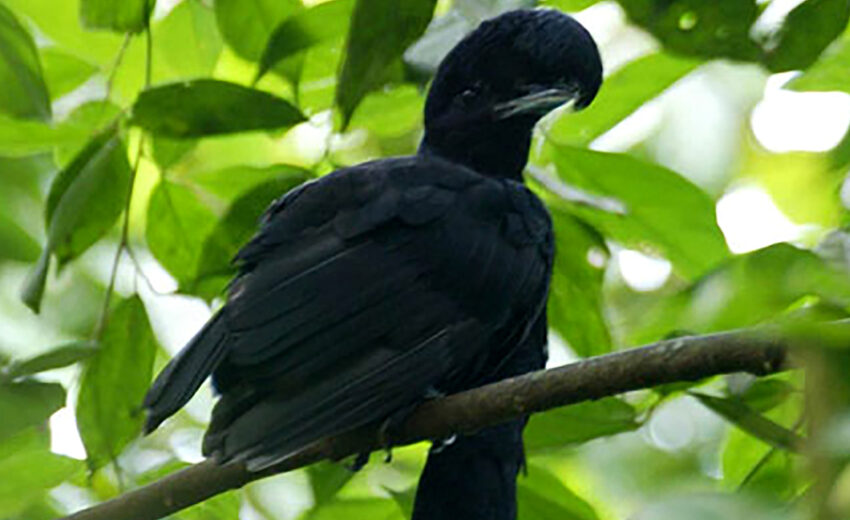
long-wattled umbrellabird

The Long-Wattled Umbrellabird

  • 12 May, 2021
  • Critterman
  • No Comments
  • 900 Views
  • 5 Likes
Daily Critter Facts, Bird Facts
The long-wattled umbrellabird, aka Pájaro Bolsón, Pájaro Toro, Dungali, and Vaca de Monte, is a passerine (perching or song bird) that can be found in Equador and Colombia. There are 3 known species of these cotingas. But we’ll be focusing on the long-wattled species. They prefer humid to wet premontane […]
Read More...
pygmy right whale

The Pygmy Right Whale

  • 11 May, 2021
  • Critterman
  • No Comments
  • 701 Views
  • 1 Likes
Daily Critter Facts, Sea Mammal Facts, Whale Facts
The pygmy right whale is the smallest species of baleen whales. Pygmy right whales aren’t true right whales at all, but are typically called so due to their bowed lower jaw, with the arch and stocky body. These features increase as they age. They call the cold ocean waters
Read More...
bee hummingbird

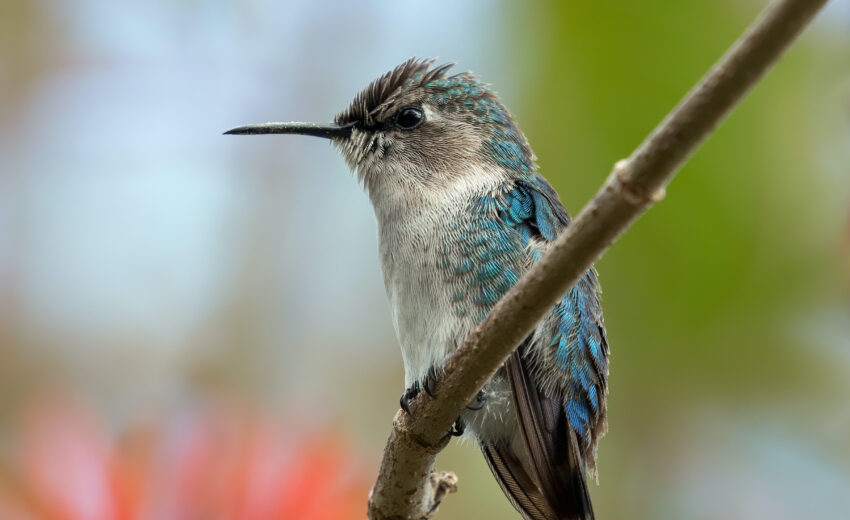
The Bee Hummingbird

  • 10 May, 2021
  • Critterman
  • No Comments
  • 563 Views
  • 3 Likes
Daily Critter Facts, Bird Facts
And the award for world’s smallest known bird goes to the bee hummingbird. These tiny avians can only be found on the Cuban archipelago, the main island of Cuba, and the Isla de la Juventud in the Western Indies. They are so small that they are often mistaken for

Read More...
1 … 117 118 119 120 121 … 190

Search Critter Science

Subscribe

I’ve Been Featured On…


Recent Posts

  • mugger crocodile
    The Mugger Crocodile

    Jan 9, 20260

  • snowy albatross
    The Snowy Albatross

    Jan 8, 20260

  • southern wood ant
    The Southern Wood Ant

    Jan 7, 20260

  • eastern tube-nosed bat
    The Eastern Tube-Nosed Bat

    Jan 6, 20260

  • Eurasian bittern
    The Eurasian Bittern

    Jan 5, 20260

Past Articles

Follow Critter Science

Recent Comments

  • I will not tell u my name >:( on The Cozumel Raccoon
  • Critterman on The Black Widow Spider
  • Jett on The Black Widow Spider
  • Elizabeth on The Pink Fairy Armadillo
  • Roosrevil on Look Out for the Chupacabra!

Categories

Spread the Word

  • Daily Critter Facts
  • Guest Articles
  • BYET
  • Teachers
  • Study Guides
  • Contact

Copyright © 2025, Critter Science. All Rights Reserved.