Critter Science
  • Zoology
    • Ecology
      • Animal Conservation
        • CITES: Protecting Wildlife
        • Endangered Animals
        • Ex Situ Explained
        • In Situ Explained
        • Zoological Branches
      • Chromatophores and Survival
      • Ecosystems
        • Animal Habitats
        • The Biomes
        • Coastal Erosion
      • Evolution. The Facts.
        • Animal Devolution
        • What are Arachnids?
          • Spider Webs
        • Carl Linnaeus
        • Charles Darwin
        • Dame Jane Goodall
        • Evolution of Amphibians
        • Evolution of Birds
        • Fish and Sharks
        • Genetic Drift in the Animal Kingdom
        • Naturalism
        • Natural Selection
        • What is a Marsupial?
      • Invertebrate Families Explored
      • Predator vs Prey
      • Producers and Consumers
      • Vertebrate Animal Families
    • Sustainability
      • Climate Change
      • Global Warming
      • Pollution
        • Air Pollution
        • Land Pollution
        • Light Pollution
        • Microplastics Pollution
        • Noise Pollution
        • Water Pollution
      • Recycling
        • Recycling Plastics
      • Renewable Energy
    • Animal Behavioral Patterns
      • Elephant Communication
      • Herpetofauna Communication
      • Primate Language: The Debate
      • Types of Animal Dormancy
    • What are Species?
      • Amphibians vs Reptiles
      • Animal Reproduction
      • Claws, Nails, and Talons
      • Frogs vs Toads
      • Fur and Hair
      • Gecko Feet
      • Invasive Species
      • IUCN Statuses
      • Speciation
      • Species Complex
      • The Enigmatic Purr
      • Venom vs Poison
      • What is a Marsupial?
    • About the Critterman
  • Daily Critter Facts
    • Amphibian Facts
      • Frog Facts
      • Newt Facts
      • Salamander Facts
      • Toad Facts
    • Arthropod Facts
      • Arachnid Facts
      • Insect Facts
    • Bird Facts
      • Flightless Bird Facts
      • Predatory Bird Facts
      • Scavenger Bird Facts
      • Wading Bird Facts
    • Cryptozoology
    • Fish Facts
      • Cephalopod Facts
      • Crustacean Facts
      • Jellyfish Facts
      • Reefs
      • Shark and Ray Facts
      • Shellfish Facts
    • Flying Mammal Facts
    • Gastropod Facts
    • Land Mammal Facts
      • Canine Facts
      • Feline Facts
      • Lagomorph Facts
      • Marsupial Facts
      • Mustelid Facts
      • Primate Facts
      • Rodent Facts
      • Ungulate Facts
    • Parasite Facts
    • Reptile Facts
      • Crocodilian Facts
      • Lizard Facts
      • Snake Facts
      • Turtle Facts
    • Sea Mammal Facts
      • Dolphin Facts
      • Porpoise Facts
      • Sea Lion Facts
      • Seal Facts
      • Whale Facts
    • Worm Facts
  • For Teachers
    • Animal Quizzes
      • Amphibians Quiz
      • Bird Quiz
      • Cat Quiz
      • Dolphin Quiz
      • Insect Quiz
      • Reptile Quiz
    • Butterfly Life Cycle
      • Butterfly Metamorphosis
      • World’s Largest Butterfly
      • World’s Largest Moth
    • Metamorphosis – A Frog’s Life Cycle
    • The Cellular Structure of an Animal
    • Insect vs Bug
    • Animal Word Search
    • Coloring Pages
  • Study Guides
    • African Animals
    • Antarctica Animals
    • Asian Animals
    • Australian Animals
    • Central American Animals
    • European Animals
    • North American Animals
    • South American Animals
  • Diseases & Parasites
    • Bsal
    • Canine Distemper Virus (CDV)
    • Chronic Wasting Disease (CWD)
    • The Deadly Chytrid Fungus
    • All About Parasites
    • The Rabies Virus
    • Toxoplasmosis
    • White-Nose Syndrome
  • Contact
    • General Contact
    • Guest Article Submission
      • Guest Articles
        • Guest Articles – 2024
    • What Critter is This?
    • Animal Welfare Organizations
    • Privacy Policy
Subscribe
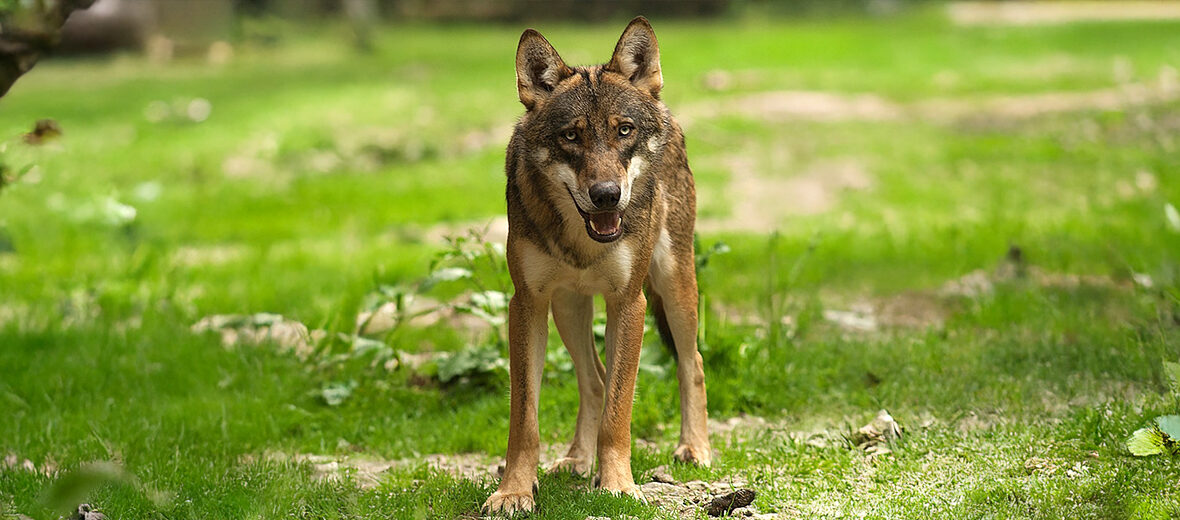
Italian wolf

The Italian Wolf

  • 23 December, 2025
  • Critterman
  • No Comments
  • 29 Views
  • 1 Likes
Canine Facts, Daily Critter Facts, Land Mammal Facts

The Italian wolf, aka Apennine wolf, while not universally recognized as a distinct subspecies of the famous grey wolf, still possesses a unique mtDNA haplotype as well as a distinct skull morphology. They are native to the Italian Peninsula. These wolves face the threats of hunting; trapping; poisoning; vehicle strike (being hit by vehicles); habitat loss, at the hands of residential and commercial developments, farming, and ranching; and hybridization with domestic dogs. The IUCN lists these canines as Vulnerable. Their population trend is, however, listed as increasing.

First the Stats…

Scientific name: Canis lupus italicus
Weight: Up to 99 lbs.
Length: Up to 58 inches, plus up to a 21 inch tail
Height: Up to 28 inches, at the shoulders
Lifespan: Up to 15+ years

Now on to the Facts!

1.) These wolves are featured prominently in Latin and Italian cultures, like the She-Wolf in the legendary founding of Rome. For this reason they are unofficially considered the national animal of Italy.

2.) They were first recognized as a distinct subspecies in 1921 by zoologist Giuseppe Altobello.

3.) The last specimen of the Mosbach wolf (Canis mosbachensis) in Europe dates back to 456 – 416 thousand years ago, during the Pleistocene Epoch, where it gave rise to the wolf Canis lupus.

4.) Wolf populations drastically decreased across Europe during the 18th & 19th centuries largely due to human persecution. By the end of the 2nd World War they had been eradicated from all of Central Europe and almost all of Northern Europe.

5.) Their population reduction continued until the circa 1960s, with remote populations surviving in Finland, Greece, Italy, Portugal, and Spain. Wolf populations have rebounded naturally since then.

But wait, there’s more on the Italian wolf!

6.) The use of wolves in Roman folk medicine, while authenticated by Pliny the Elder, was minimal compared to other animals like snakes or bears.

7.) The belief in werewolves was still quite widespread in Italy during the early 1920s, and covering one’s face when resting outside at night was once traditional among rural people, since sleeping while facing the full moon was thought to transform the sleeper into a wolf.

Did you know…?
According to Terry Jones, “The Romans did not see the tale of Romulus, Remus, and the she-wolf as a happy story; they meant to show that they had taken on wolfish appetites and a ferocity for their mother’s milk”.

8.) Although Italy has no records of wolf attacks on humans after World War II and the eradication of rabies in the 1960s, historians found 440 cases of wolves attacking people between the 15th – 19th centuries.

9.) Females undergo up to a 63 day gestation (pregnancy) that yields up to 8 pups.

10.) Wild boars, roe deer, red deer, chamois, ibexes, mice, rats, voles, moles, rabbits, hares, sheep, goats, fruits, berries, and human garbage are all on the menu.

Now a Short Italian Wolf Video!

Be sure to share & comment below! Also, check out the Critter Science YouTube channel. Videos added regularly!

Subscribe


Want to suggest a critter for me to write about? Let me know here.

Some source material acquired from: Wikipedia & IUCN

Photo credit: Eye Am Didier

Trending
The Fascinating Okapi

Apennine wolfcaninedogEuropeEuropeanItalianItalian wolfItalypredatorwolfwolves
Critterman

With over 50 years of critter experience to my credit and hundreds of zoology teaching hours to people around the world, I have amassed not only a continuing thirst for critter knowledge but a desire to teach others all I can about the majesty and wonder of our natural world. Critter Science is a culmination of such knowledge. I have hands on as well as book acquired intel on all kinds of critters. Whether they're on land, sea, or in the air. I will never say that I know everything about all animals. That's impossible, even for a savant. But, that being said, ask me any animal question and I'll answer it. If I don't know the answer, I'll get an answer for you!

The Limpkin
The Fate of the Santa Catalina Rattlesnake
Related Posts
  • Santa Catalina rattlesnake
    The Fate of the Santa Catalina Rattlesnake 24 December, 2025
  • limpkin
    The Limpkin 22 December, 2025
  • European wasp
    The European Wasp 19 December, 2025
  • Daily Critter Facts
  • Guest Articles
  • BYET
  • Teachers
  • Study Guides
  • Contact

Copyright © 2025, Critter Science. All Rights Reserved.