Critter Science
  • Zoology
    • Ecology
      • Animal Conservation
        • CITES: Protecting Wildlife
        • Dame Jane Goodall
        • Endangered Animals
        • Ex Situ Explained
        • In Situ Explained
        • Zoological Branches
      • Chromatophores and Survival
      • Ecosystems
        • Animal Habitats
        • The Biomes
        • Coastal Erosion
        • Rainforest Types
      • Evolution. The Facts.
        • Animal Devolution
        • Animal Mimicry
        • Convergent Evolution
        • Carl Linnaeus
        • Charles Darwin
        • Evolution of Amphibians
        • Evolution of Birds
        • Genetic Drift in the Animal Kingdom
        • Naturalism
        • Natural Selection
      • Invertebrate Families Explored
        • What are Arachnids?
          • Spider Webs
      • Predator vs Prey
      • Producers and Consumers
      • Vertebrate Animal Families
        • Snakes vs Legless Lizards
        • What is a Marsupial?
    • Sustainability
      • Climate Change
      • Global Warming
      • Pollution
        • Air Pollution
        • Land Pollution
        • Light Pollution
        • Microplastics Pollution
        • Noise Pollution
        • Water Pollution
      • Recycling
        • Recycling Plastics
      • Renewable Energy
    • Animal Behavioral Patterns
      • Avian Communication
      • Cetacean Communication
      • Elephant Communication
      • Herpetofauna Communication
      • Primate Language: The Debate
      • Types of Animal Dormancy
    • What are Species?
      • Amphibians vs Reptiles
      • Animal Reproduction
      • Claws, Nails, and Talons
      • Fur and Hair
      • Gecko Feet
      • Invasive Species
      • IUCN Statuses
      • Speciation
      • Species Complex
      • The Enigmatic Purr
      • Venom vs Poison
    • About the Critterman
  • Daily Critter Facts
    • Amphibian Facts
      • Frog Facts
      • Newt Facts
      • Salamander Facts
      • Toad Facts
    • Arthropod Facts
      • Arachnid Facts
      • Insect Facts
    • Bird Facts
      • Flightless Bird Facts
      • Predatory Bird Facts
      • Scavenger Bird Facts
      • Wading Bird Facts
    • Cryptozoology
    • Fish Facts
      • Cephalopod Facts
      • Crustacean Facts
      • Jellyfish Facts
      • Reefs
      • Shark and Ray Facts
      • Shellfish Facts
    • Flying Mammal Facts
    • Gastropod Facts
    • Land Mammal Facts
      • Canine Facts
      • Feline Facts
      • Lagomorph Facts
      • Marsupial Facts
      • Mustelid Facts
      • Primate Facts
      • Rodent Facts
      • Ungulate Facts
    • Parasite Facts
    • Reptile Facts
      • Crocodilian Facts
      • Lizard Facts
      • Snake Facts
      • Turtle Facts
    • Sea Mammal Facts
      • Dolphin Facts
      • Porpoise Facts
      • Sea Lion Facts
      • Seal Facts
      • Whale Facts
    • Worm Facts
  • For Teachers
    • Animal Quizzes
      • Amphibian Quiz
      • Bird Quiz
      • Cat Quiz
      • Dog Quiz
      • Dolphin Quiz
      • Insect Quiz
      • Reptile Quiz
    • Animal Word Search
    • Butterfly Life Cycle
      • Butterfly Metamorphosis
      • World’s Largest Butterfly
      • World’s Largest Moth
    • The Cellular Structure of an Animal
    • Coloring Pages
    • Fish and Sharks
    • Frogs vs Toads
    • Insect vs Bug
    • Metamorphosis – A Frog’s Life Cycle
  • Study Guides
    • African Animals
    • Antarctica Animals
    • Asian Animals
    • Australian Animals
    • Central American Animals
    • European Animals
    • North American Animals
    • South American Animals
  • Diseases & Parasites
    • Bsal
    • Canine Distemper Virus (CDV)
    • Chronic Wasting Disease (CWD)
    • The Deadly Chytrid Fungus
    • All About Parasites
    • The Rabies Virus
    • Toxoplasmosis
    • White-Nose Syndrome
  • Contact
    • General Contact
    • Guest Article Submission
      • Guest Articles
        • Guest Articles – 2024
    • What Critter is This?
    • Animal Welfare Organizations
    • Privacy Policy
Subscribe
California tiger salamander

The California Tiger Salamander

  • 23 January, 2026
  • Critterman
  • No Comments
  • 0 Views
  • 0 Likes
Amphibian Facts, Daily Critter Facts, Salamander Facts

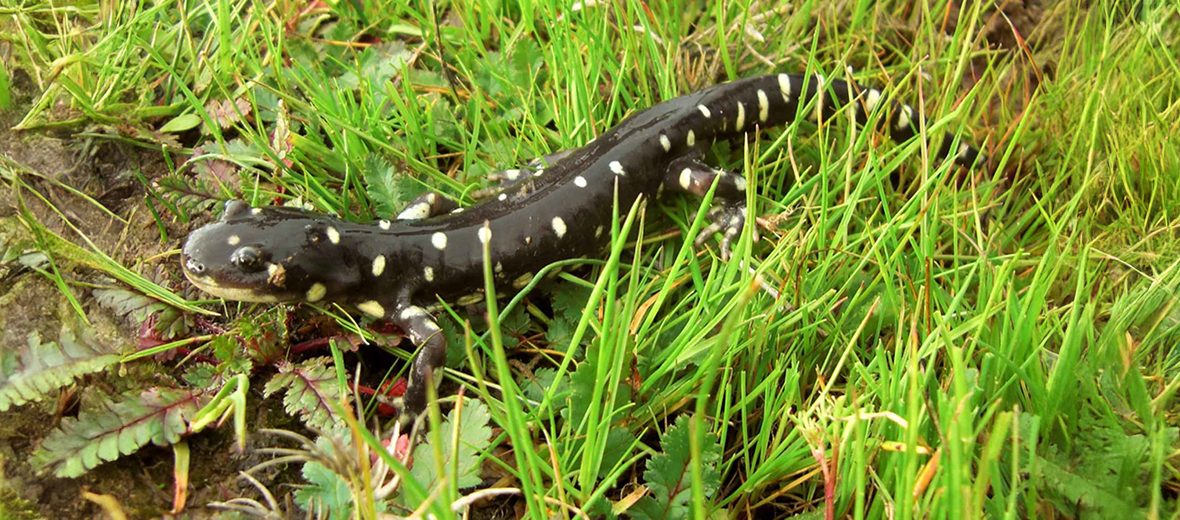
The California tiger salamander was previously considered to be a subspecies of the tiger salamander, however these salamanders were recently designated as a separate species again. They face the threats of habitat loss and destruction at the hands of residential and commercial developments, as well as the timber industry; roads and railroads, that divide their territory and can result in vehicle strike (being hit by vehicles); invasive species, that can result in predation from the likes of bullfrogs, fish, and crayfish, as well as hybridization with western tiger salamanders; land pollution; water pollution; climate change, that can cause excessive heat and put these critters at risk of desiccation (drying out); and finally the reduction in ground squirrel populations result in the absence of burrows that are used to aestivate (hibernation for amphibians) during the dry season. The IUCN lists these salamanders as Vulnerable. Their population trend is listed as decreasing.

First the Stats…

Scientific name: Ambystoma californiense
Weight: Up to 4.6 ounces
Length: Up to 8 inches
Lifespan: Up to 15 years

Now on to the Facts!

1.) These salamanders rely heavily on fishless vernal pools and other seasonal ponds, as well as stock ponds for reproduction.

2.) They can be found at elevations of up to 3,200 feet.

3.) Adults migrate during the night from upland habitats to aquatic breeding sites beginning with the first major rainfall in the fall and winter months, and then return to their upland habitats after breeding. This migration makes them vulnerable to human developments, and road fatalities.

4.) On August 4, 2004, the US Fish and Wildlife Service listed these salamanders as threatened within the Central DPS, effective September 3, 2004, reaffirming the prior endangered listings of the other distinct populations and extending protection to all of the remaining populations.

5.) There’s a viable hybrid between these salamanders and the introduced barred tiger salamander, which genetic evidence suggests have been hybridizing for up to 60 years. Hybridization between a threatened and an invasive species makes it hard to protect these salamanders.

But wait, there’s more on the California tiger salamander!

6.) They are heavily fossorial (spend the majority of their lives underground), dwelling in burrows created by other animals, such as ground squirrels and gophers.

7.) Earthworms, snails, insects, fish, and even juvenile mice, rats, moles, and gophers are all consumed.

Did you know…?
The nighttime journey of adults from their burrow to a desired breeding pond can take them as far as 1.3 miles over the course of several days!

8.) Females lay upwards of 1,300 eggs that hatch in up to 14 days.

9.) Once the eggs hatch, the larval period can last up to 6 months. The larvae can also overwinter for up to 13 months.

10.) The larvae feed on aquatic invertebrates and tadpoles.

But wait, there’s still more on the California tiger salamander!

11.) When their pond dries up, they resorb their gills, develop lungs, and then they leave their pond in search of a burrow of their own.

12.) In a study, the average female bred 1.4 times and produced up to 8.5 young that survived to metamorphosis per reproductive event, resulting in roughly 12 lifetime metamorphic offsprings per female.

13.) These, like other salamanders, secrete toxins from their skin as a defense mechanism if threatened, which can make predators (or humans if ingested or handled improperly) sick. So, they are poisonous, not venomous.

14.) Even though Bsal (Batrachochytrium salamandrivorans) has been found to exist within their populations, it doesn’t seem to be to much of a risk factor, as of yet.

Now a Short California Tiger Salamander Video!

Be sure to share & comment below! Also, check out the Critter Science YouTube channel. Videos added regularly!

Subscribe


Want to suggest a critter for me to write about? Let me know here.

Some source material acquired from: Wikipedia & IUCN

Photo credit: Clecker John

Trending
The Pied Tamarin

amphibianamphibianscaliforniaCalifornia tiger salamandereggsgillslakelarvaelarvalpondpoolsalamandersalamandersswampUnited Statesvulnerable
Critterman

With over 50 years of critter experience to my credit and hundreds of zoology teaching hours to people around the world, I have amassed not only a continuing thirst for critter knowledge but a desire to teach others all I can about the majesty and wonder of our natural world. Critter Science is a culmination of such knowledge. I have hands on as well as book acquired intel on all kinds of critters. Whether they're on land, sea, or in the air. I will never say that I know everything about all animals. That's impossible, even for a savant. But, that being said, ask me any animal question and I'll answer it. If I don't know the answer, I'll get an answer for you!

The Imperial Shag
Related Posts
  • imperial shag
    The Imperial Shag 22 January, 2026
  • Atlantic blue crab
    The Atlantic Blue Crab 21 January, 2026
  • little raven
    The Little Raven 20 January, 2026

Leave a Reply Cancel Reply

Your email address will not be published. Required fields are marked *

  • Daily Critter Facts
  • Guest Articles
  • BYET
  • Teachers
  • Study Guides
  • Contact

Copyright © 2025, Critter Science. All Rights Reserved.