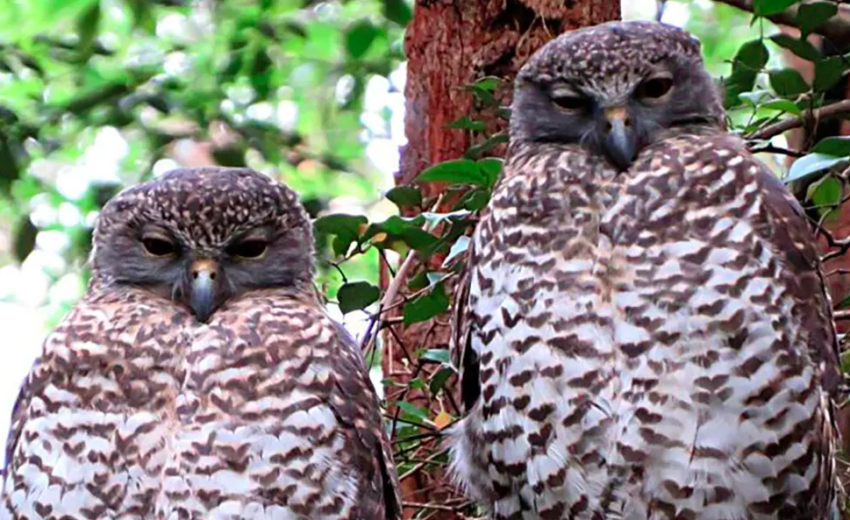
The powerful owl is a species native to southeastern and eastern Australia. These owls are found in coastal areas and in the Great Dividing Range typically less than 125 miles inland
The powerful owl is a species native to southeastern and eastern Australia. These owls are found in coastal areas and in the Great Dividing Range typically less than 125 miles inland
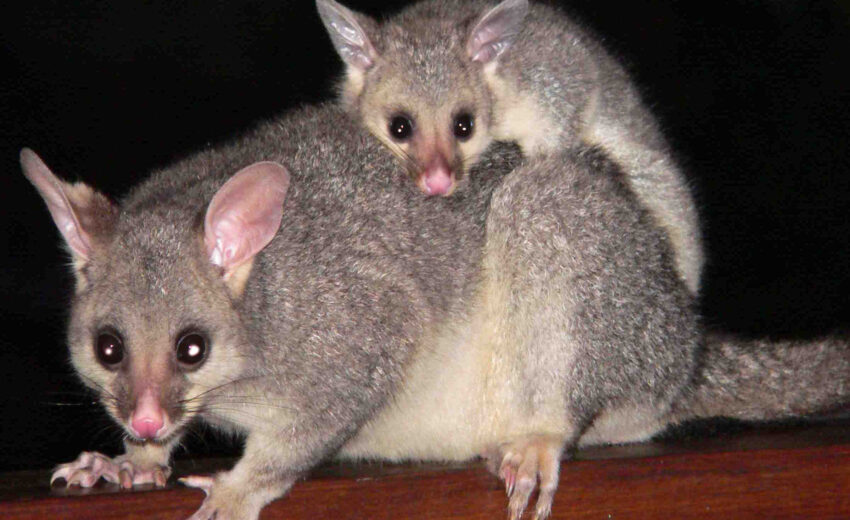
Out of the 23 known possum species in Australia, there are 2 that you’ll most likely come across at night: the common brushtail possum (Trichosurus vulpecular), this scientific name means “furry tailed little fox”, and the common ringtail possum (Pseudocheirus peregrinus), this
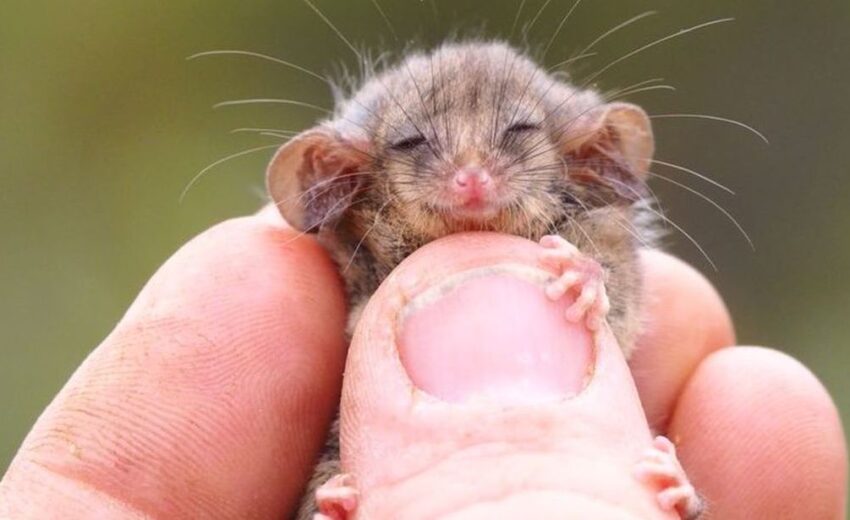
There are 5 known species of pygmy possums in Australia: The mountain, western, eastern, Tasmanian, & the long-tailed pygmy possum. All possums are marsupials (rear their young in
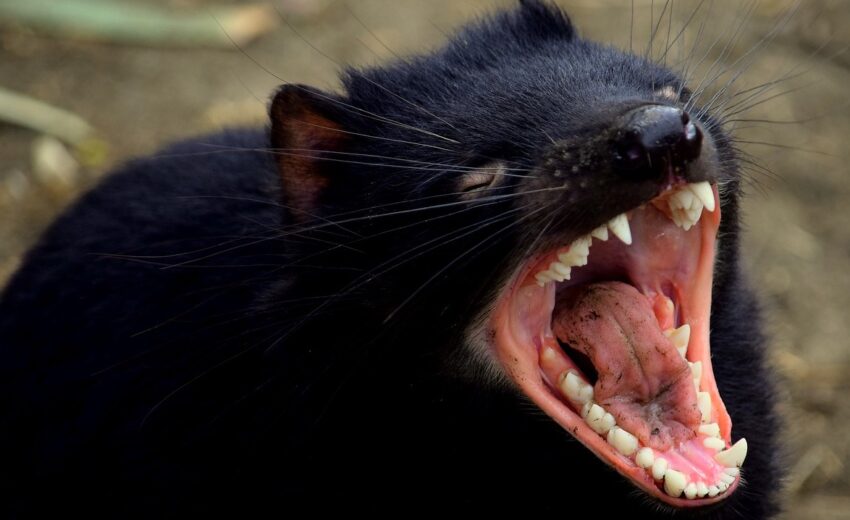
Contrary to their depiction in the Looney Tunes™ cartoons, the Tasmanian devil does not spin like a mini tornado. They do have one heck of a bite and have tempers too. They’re fierce predators and love eating. They don’t get very large but they are still a force to
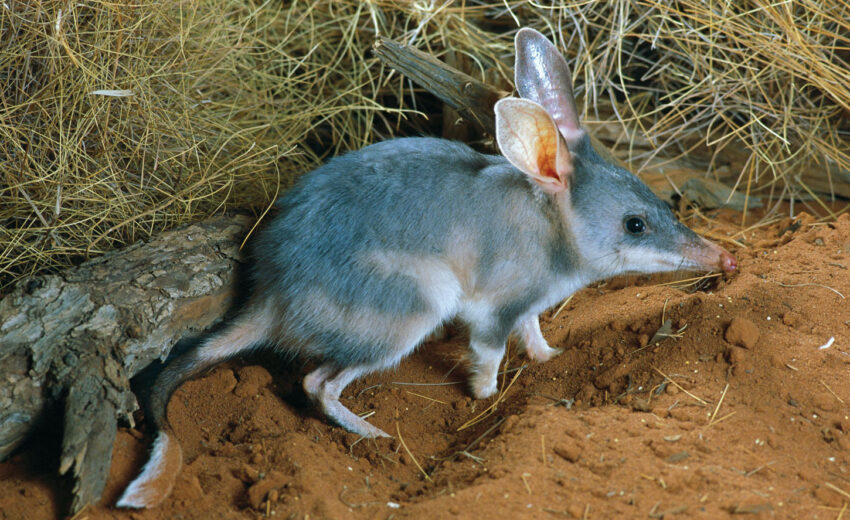
The bilby is small marsupial that belongs to the bandicoot family. There used to be 2 species: the greater and the lesser bilby. They were, at one time, widespread across Australia. Today, only the greater bilby exists and it’s endangered due to
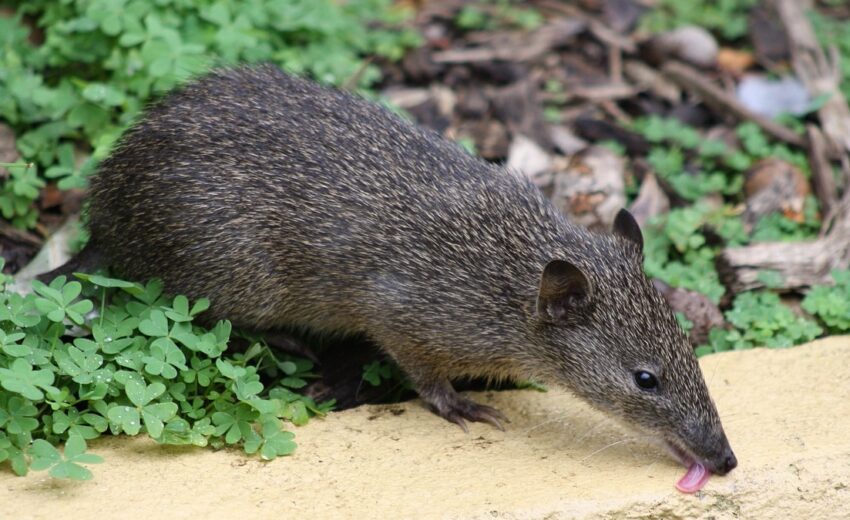
The bandicoot is a small marsupial that looks like a rat, however they are more closely related to rabbits. Bandicoots can be found
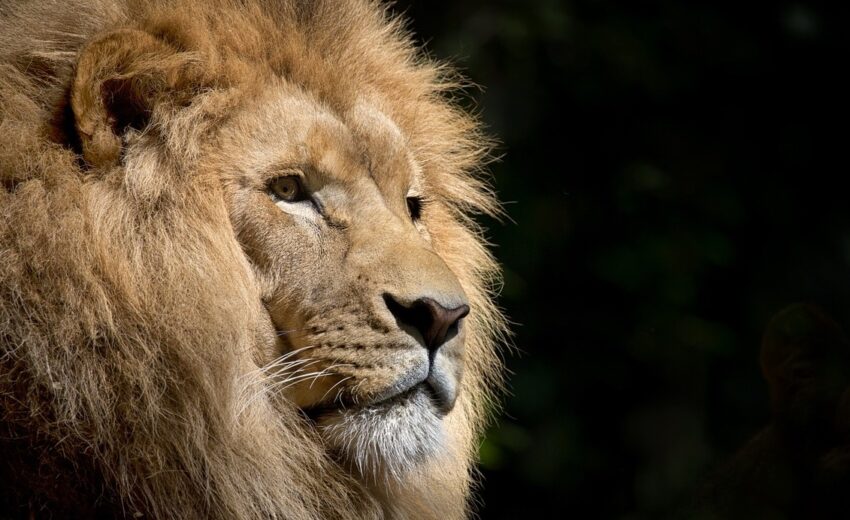
Second in size only to the tiger, the lion is the largest cat in Africa! They can be found in savannas, deserts, plains, grasslands, dense bush, and woodlands. They have been abundantly featured in books, movies, and
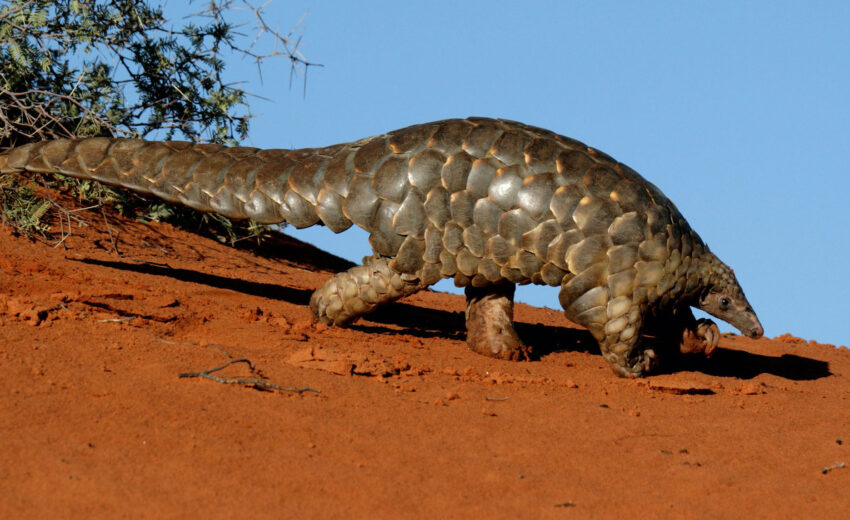
The pangolin, aka scaly anteater, is the only mammal to be covered (head to toe) in keratin scales (the same material in human hair and fingernails). Their scales make up about 20% of a Pangolin’s weight! Pangolins are
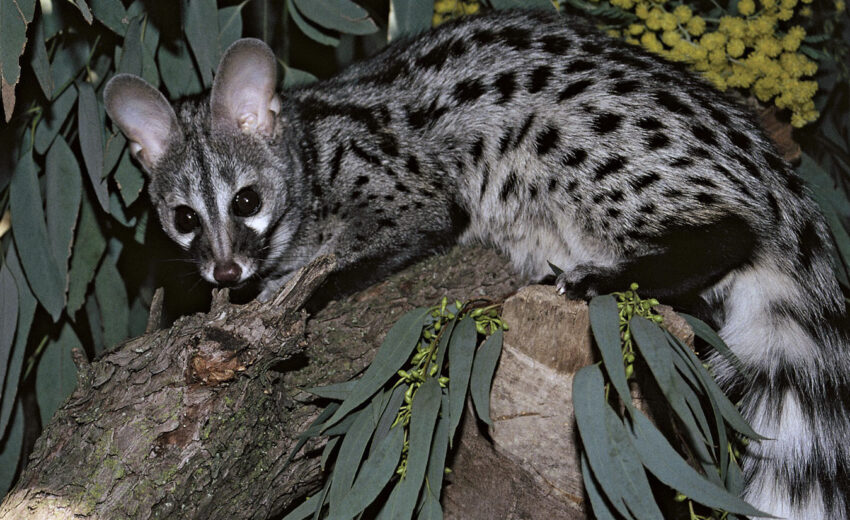
Inhabiting forests, rocky hillsides, marshes, scrublands, and agricultural lands we have the genet. These nocturnal (active at night), catlike creatures inhabit a wide range in Africa and these critters are threatened by habitat loss and hunted because of their fur and
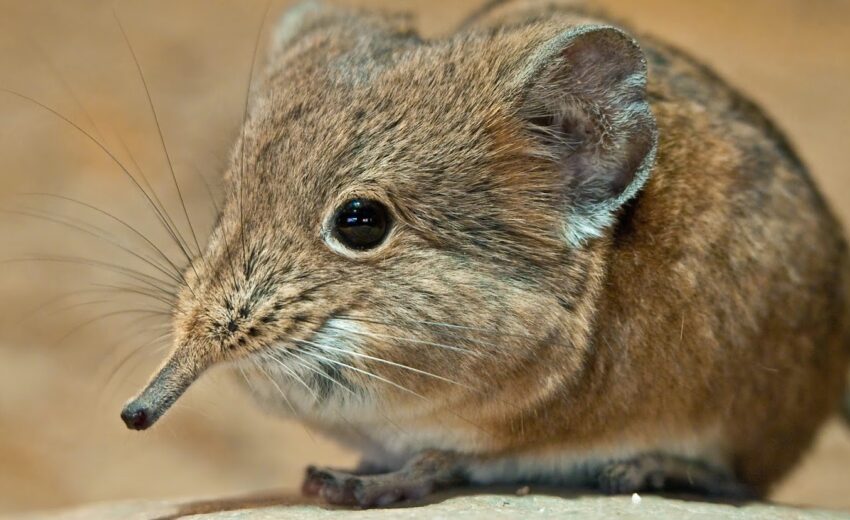
The elephant shrew, aka sengis or jumping shrew, is not actually a shrew at all. Recent research and categorization suggests that they are more closely related to elephants, aardvarks, & sea cows. Believe it or not. Don’t let their size fool you. They are quite well adapted to life in