Critter Science
  • Zoology
    • Ecology
      • Animal Conservation
        • CITES: Protecting Wildlife
        • Endangered Animals
        • Ex Situ Explained
        • In Situ Explained
        • Zoological Branches
      • Chromatophores and Survival
      • Ecosystems
        • Animal Habitats
        • The Biomes
        • Coastal Erosion
        • Rainforest Types
      • Evolution. The Facts.
        • Animal Devolution
        • What are Arachnids?
          • Spider Webs
        • Carl Linnaeus
        • Charles Darwin
        • Dame Jane Goodall
        • Evolution of Amphibians
        • Evolution of Birds
        • Genetic Drift in the Animal Kingdom
        • Naturalism
        • Natural Selection
        • What is a Marsupial?
      • Invertebrate Families Explored
      • Predator vs Prey
      • Producers and Consumers
      • Vertebrate Animal Families
    • Sustainability
      • Climate Change
      • Global Warming
      • Pollution
        • Air Pollution
        • Land Pollution
        • Light Pollution
        • Microplastics Pollution
        • Noise Pollution
        • Water Pollution
      • Recycling
        • Recycling Plastics
      • Renewable Energy
    • Animal Behavioral Patterns
      • Avian Communication
      • Elephant Communication
      • Herpetofauna Communication
      • Primate Language: The Debate
      • Types of Animal Dormancy
    • What are Species?
      • Amphibians vs Reptiles
      • Animal Reproduction
      • Claws, Nails, and Talons
      • Fur and Hair
      • Gecko Feet
      • Invasive Species
      • IUCN Statuses
      • Speciation
      • Species Complex
      • The Enigmatic Purr
      • Venom vs Poison
      • What is a Marsupial?
    • About the Critterman
  • Daily Critter Facts
    • Amphibian Facts
      • Frog Facts
      • Newt Facts
      • Salamander Facts
      • Toad Facts
    • Arthropod Facts
      • Arachnid Facts
      • Insect Facts
    • Bird Facts
      • Flightless Bird Facts
      • Predatory Bird Facts
      • Scavenger Bird Facts
      • Wading Bird Facts
    • Cryptozoology
    • Fish Facts
      • Cephalopod Facts
      • Crustacean Facts
      • Jellyfish Facts
      • Reefs
      • Shark and Ray Facts
      • Shellfish Facts
    • Flying Mammal Facts
    • Gastropod Facts
    • Land Mammal Facts
      • Canine Facts
      • Feline Facts
      • Lagomorph Facts
      • Marsupial Facts
      • Mustelid Facts
      • Primate Facts
      • Rodent Facts
      • Ungulate Facts
    • Parasite Facts
    • Reptile Facts
      • Crocodilian Facts
      • Lizard Facts
      • Snake Facts
      • Turtle Facts
    • Sea Mammal Facts
      • Dolphin Facts
      • Porpoise Facts
      • Sea Lion Facts
      • Seal Facts
      • Whale Facts
    • Worm Facts
  • For Teachers
    • Animal Quizzes
      • Amphibian Quiz
      • Bird Quiz
      • Cat Quiz
      • Dog Quiz
      • Dolphin Quiz
      • Insect Quiz
      • Reptile Quiz
    • Animal Word Search
    • Butterfly Life Cycle
      • Butterfly Metamorphosis
      • World’s Largest Butterfly
      • World’s Largest Moth
    • The Cellular Structure of an Animal
    • Coloring Pages
    • Fish and Sharks
    • Frogs vs Toads
    • Insect vs Bug
    • Metamorphosis – A Frog’s Life Cycle
  • Study Guides
    • African Animals
    • Antarctica Animals
    • Asian Animals
    • Australian Animals
    • Central American Animals
    • European Animals
    • North American Animals
    • South American Animals
  • Diseases & Parasites
    • Bsal
    • Canine Distemper Virus (CDV)
    • Chronic Wasting Disease (CWD)
    • The Deadly Chytrid Fungus
    • All About Parasites
    • The Rabies Virus
    • Toxoplasmosis
    • White-Nose Syndrome
  • Contact
    • General Contact
    • Guest Article Submission
      • Guest Articles
        • Guest Articles – 2024
    • What Critter is This?
    • Animal Welfare Organizations
    • Privacy Policy
Subscribe
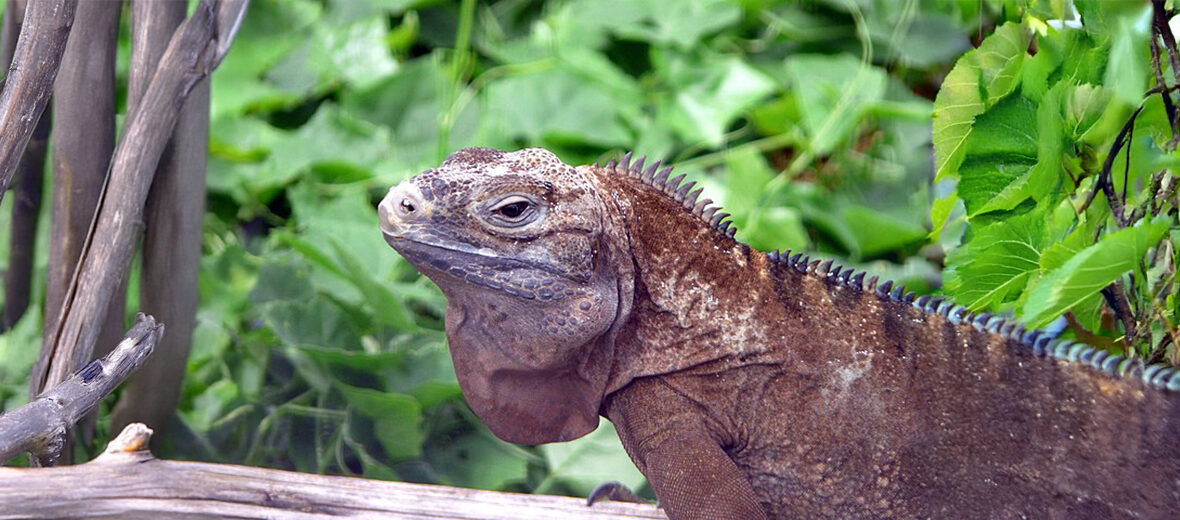
Jamaican iguana

The Jamaican Iguana

  • 16 April, 2025
  • Critterman
  • No Comments
  • 80 Views
  • 2 Likes
Daily Critter Facts, Lizard Facts, Reptile Facts

The Jamaican iguana, aka Colley’s iguana or Jamaican rock iguana, hails only from a small southern portion of the island of Jamaica. These iguanas were once found throughout Jamaica and on the offshore islets of Great Goat Island and Little Goat Island, they are now confined to the forests of the Hellshire Hills. They are threatened by habitat loss and destruction at the hands of residential and commercial developments; mining and quarrying; and invasive species, and with them predation. The Jamaican iguana is listed as Critically Endangered and Critically Depleted by the IUCN. However, their population is slowly increasing.

First the Stats…

Scientific name: Cyclura collei
Weight: Up to 4.4 lbs.
Length: Up to 16.9 inches, plus up to a 20 inch tail
Lifespan: Up to 20 years

Now on to the Facts!

1.) There are only an estimated 600- mature individuals remaining, to date.

2.) Between 1948 – 1990 these iguanas were considered extinct.

3.) These iguanas are the 2nd largest land animal in Jamaica, after the Jamaican boa constrictor.

4.) Their diet consists of leaves, flowers and fruits from over 100 different plant species.

5.) On occasions they will also consume insects and snails. But, these critters are likely consumed by accident, while foraging on vegetation.

But wait, there’s more on the Jamaican iguana!

6.) Asian mongooses are their primary predator. Dogs will also sometimes catch and kill these iguanas.

7.) The Headstart facility was proposed as a program to eradicate the feral mongoose.

Did you know…?
The specific name, collei, is in honor of an individual named Colley. John Edward Gray, who initially described this species in 1845, referred to it as “Colley’s Iguana”. Gray never specified who Colley actually was though, and now we’ll likely never know.

8.) Charcoal burners rely on hardwood trees from the Hellshire Hills to make charcoal. As this is the primary refuge for the iguanas, the burners have also been threatening the research teams who protect the iguanas.

9.) Like all iguanas, they possess a parietal eye, which is a 3rd eye, located on the top of their head. This eye only senses light and dark and is not easily recognizable as anything more than a small bump in the middle of their head.

10.) Females lay up to 20 eggs in soil that hatch in up to 87 days.

Now a Short Jamaican Iguana Video!

Be sure to share & comment below! Also, check out the Critter Science YouTube channel. Videos added regularly!

Subscribe

Want to suggest a critter for me to write about? Let me know here.

Some source material acquired from: Wikipedia & IUCN

Photo credit: Simon Tonge

Trending
The Beautiful Discus

Colley's iguanacritically depletedcritically endangerediguanaiguanasislandJamaicaJamaicanJamaican iguanaJamaican rock iguanalizardreptilethird eye
Critterman

With over 50 years of critter experience to my credit and hundreds of zoology teaching hours to people around the world, I have amassed not only a continuing thirst for critter knowledge but a desire to teach others all I can about the majesty and wonder of our natural world. Critter Science is a culmination of such knowledge. I have hands on as well as book acquired intel on all kinds of critters. Whether they're on land, sea, or in the air. I will never say that I know everything about all animals. That's impossible, even for a savant. But, that being said, ask me any animal question and I'll answer it. If I don't know the answer, I'll get an answer for you!

The Western House Martin
The Black-Chinned Hummingbird
Related Posts
  • forest raven
    The Forest Raven 1 January, 2026
  • Cape genet
    The Cape Genet 31 December, 2025
  • Bunyoro rabbit
    The Bunyoro Rabbit 30 December, 2025
  • Daily Critter Facts
  • Guest Articles
  • BYET
  • Teachers
  • Study Guides
  • Contact

Copyright © 2025, Critter Science. All Rights Reserved.