
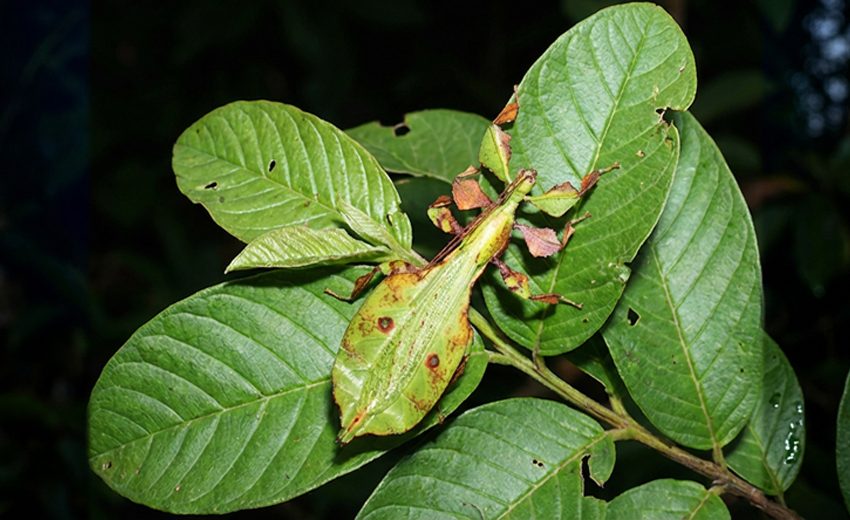
The Gray’s leaf insect hails from Sumatra and the southern part of Malay Peninsula. Their specific epithet bioculatum means “2-eyed” in Latin and refers to the 2 dots located on the abdomen in these insects.
The Gray’s leaf insect hails from Sumatra and the southern part of Malay Peninsula. Their specific epithet bioculatum means “2-eyed” in Latin and refers to the 2 dots located on the abdomen in these insects.
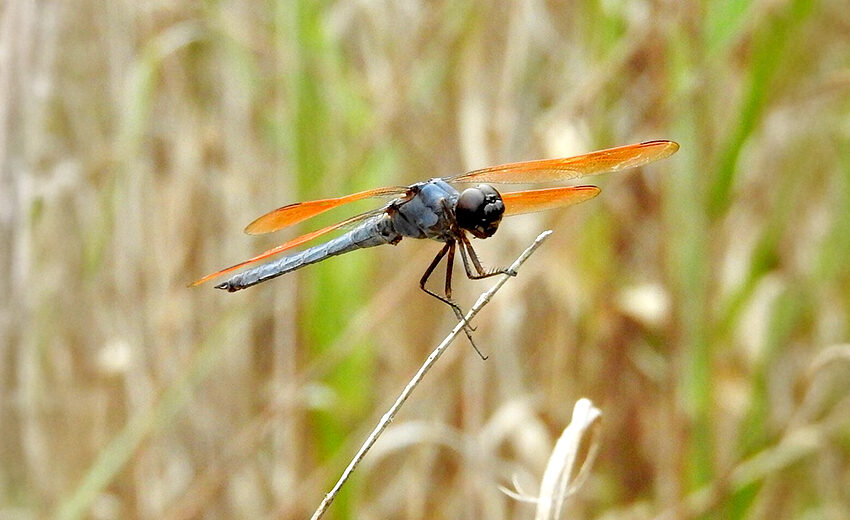
The purple skimmer hails from Florida, in the United States. They are a member of the skimmer family of dragonflies. These stealthy aerial hunters face the threats of
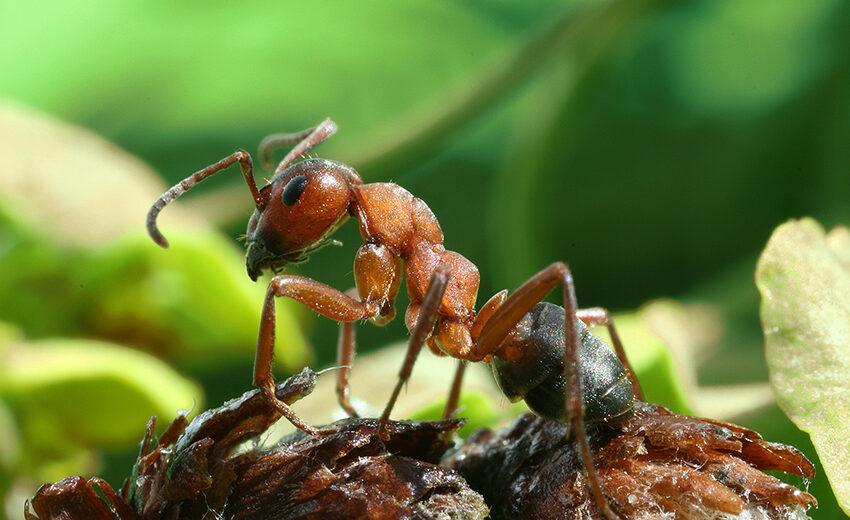
The southern wood ant, aka horse ant or red wood ant, hails from Europe, but has a distribution all the way to eastern Asia. Unconfirmed reports state their presence in North America as well. They face the threats of
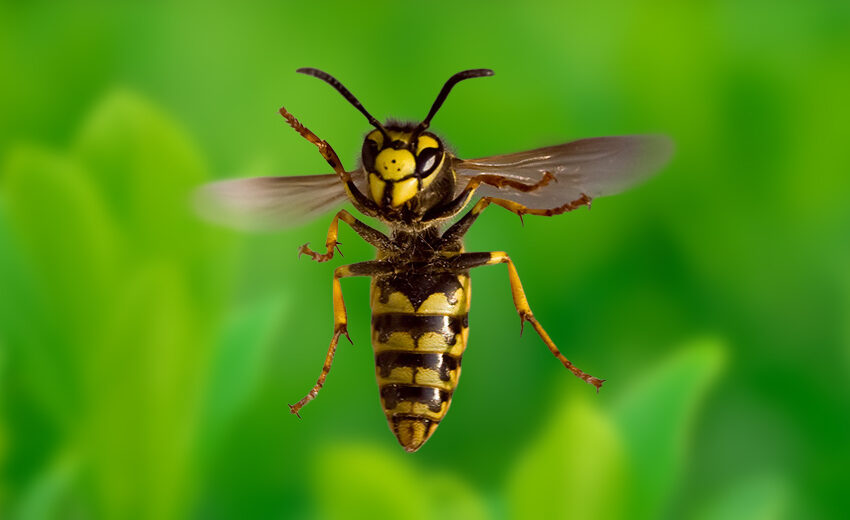
The European wasp, aka German wasp, or German yellowjacket, hails from Europe, Northern Africa, and temperate Asia. They have spread to Australia, North America, South America, South Africa, and New Zealand.
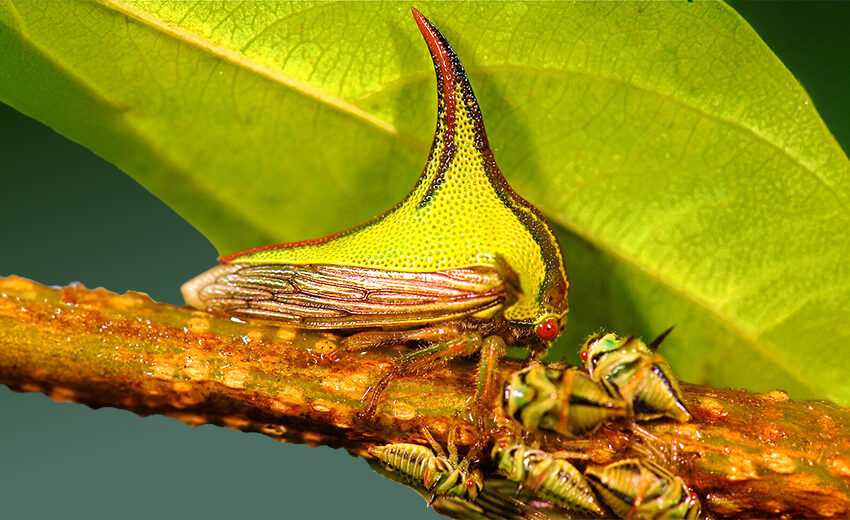
The thorn bug is a widely distributed insect that is often considered a pest to many ornamental shrubs and trees. These insects utilize their thornlike pronotum to thwart various predators, such as birds, from eating them
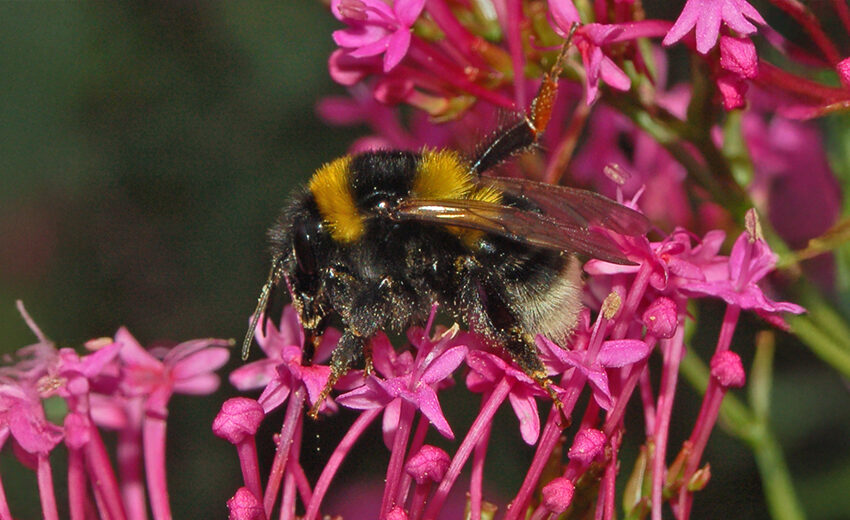
The large garden bumblebee, aka ruderal bumblebee, is a long-tongued bumblebee that is found in Europe and in some parts of northern Africa. They use their long face and tongue to pollinate hard-to-reach tubed flowers
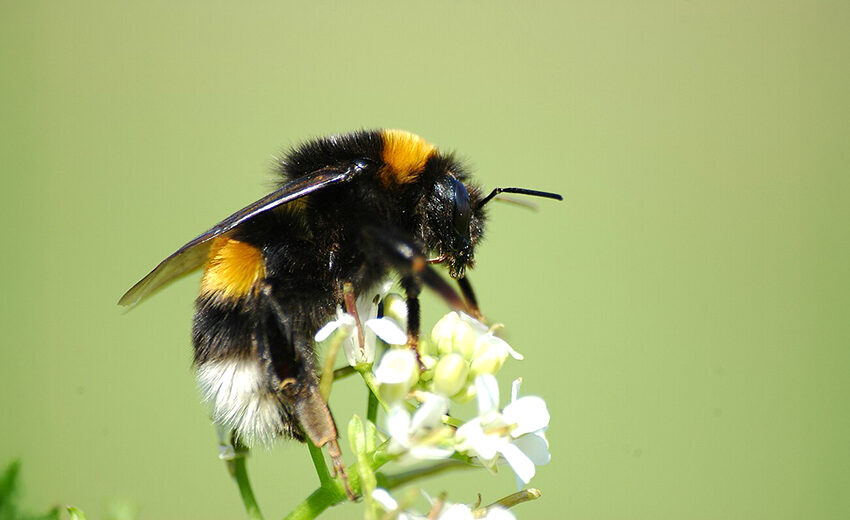
The buff-tailed bumblebee, aka large earth bumblebee, can be found in Europe, northern Africa, and western Asia. They are 1 of the main species used in greenhouse pollination. Therefore, they can be found in many foreign locales.
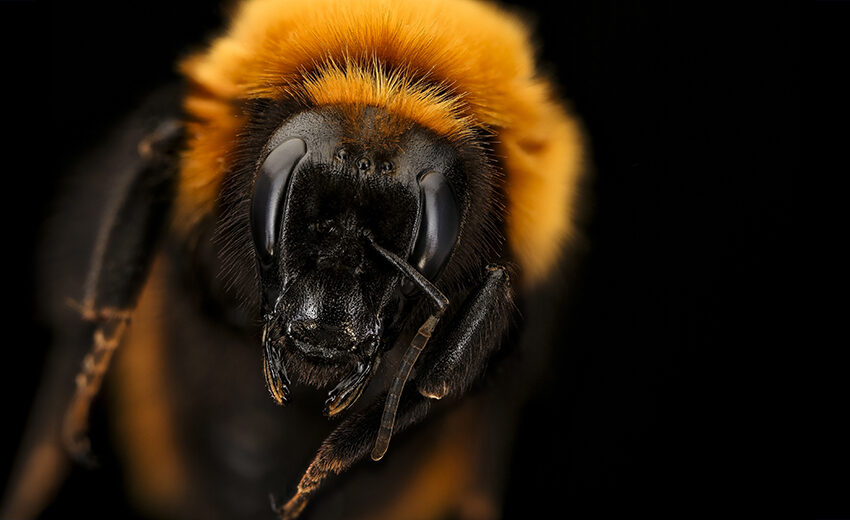
The moscardón is 1 of the largest bee species in the world, with the Wallace’s giant bee being #1. They are endemic to the temperate forests of southern South America. Sadly, these bees face the threats of habitat loss and destruction
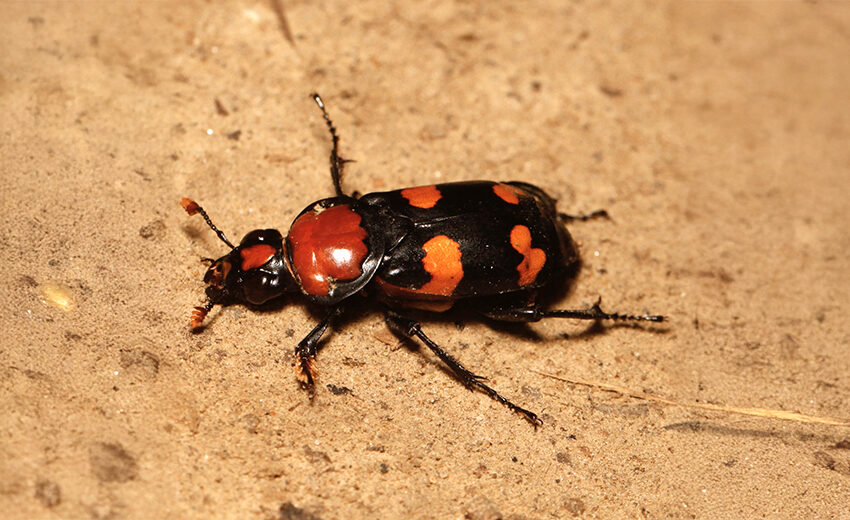
The American burying beetle, aka giant carrion beetle, is not only carnivorous, it feeds on carrion (dead animals) and needs carrion to breed. These beetles are among the few known to exhibit parental care
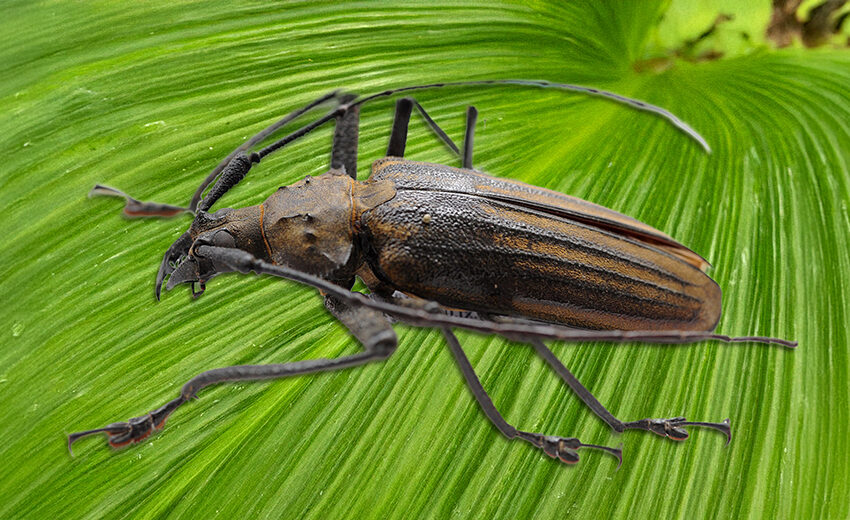
The giant Fijian long-horned beetle hails from the island of Viti Levu in Fiji, and is among the largest known living insect species. These beetles face the threats of habitat loss and destruction at the hands of residential and commercial developments