Critter Science
  • Zoology
    • Ecology
      • Animal Conservation
        • CITES: Protecting Wildlife
        • Endangered Animals
        • Ex Situ Explained
        • In Situ Explained
        • Zoological Branches
      • Chromatophores and Survival
      • Ecosystems
        • Animal Habitats
        • The Biomes
        • Coastal Erosion
        • Rainforest Types
      • Evolution. The Facts.
        • Animal Devolution
        • What are Arachnids?
          • Spider Webs
        • Carl Linnaeus
        • Charles Darwin
        • Dame Jane Goodall
        • Evolution of Amphibians
        • Evolution of Birds
        • Genetic Drift in the Animal Kingdom
        • Naturalism
        • Natural Selection
        • What is a Marsupial?
      • Invertebrate Families Explored
      • Predator vs Prey
      • Producers and Consumers
      • Vertebrate Animal Families
    • Sustainability
      • Climate Change
      • Global Warming
      • Pollution
        • Air Pollution
        • Land Pollution
        • Light Pollution
        • Microplastics Pollution
        • Noise Pollution
        • Water Pollution
      • Recycling
        • Recycling Plastics
      • Renewable Energy
    • Animal Behavioral Patterns
      • Avian Communication
      • Elephant Communication
      • Herpetofauna Communication
      • Primate Language: The Debate
      • Types of Animal Dormancy
    • What are Species?
      • Amphibians vs Reptiles
      • Animal Reproduction
      • Claws, Nails, and Talons
      • Fur and Hair
      • Gecko Feet
      • Invasive Species
      • IUCN Statuses
      • Speciation
      • Species Complex
      • The Enigmatic Purr
      • Venom vs Poison
      • What is a Marsupial?
    • About the Critterman
  • Daily Critter Facts
    • Amphibian Facts
      • Frog Facts
      • Newt Facts
      • Salamander Facts
      • Toad Facts
    • Arthropod Facts
      • Arachnid Facts
      • Insect Facts
    • Bird Facts
      • Flightless Bird Facts
      • Predatory Bird Facts
      • Scavenger Bird Facts
      • Wading Bird Facts
    • Cryptozoology
    • Fish Facts
      • Cephalopod Facts
      • Crustacean Facts
      • Jellyfish Facts
      • Reefs
      • Shark and Ray Facts
      • Shellfish Facts
    • Flying Mammal Facts
    • Gastropod Facts
    • Land Mammal Facts
      • Canine Facts
      • Feline Facts
      • Lagomorph Facts
      • Marsupial Facts
      • Mustelid Facts
      • Primate Facts
      • Rodent Facts
      • Ungulate Facts
    • Parasite Facts
    • Reptile Facts
      • Crocodilian Facts
      • Lizard Facts
      • Snake Facts
      • Turtle Facts
    • Sea Mammal Facts
      • Dolphin Facts
      • Porpoise Facts
      • Sea Lion Facts
      • Seal Facts
      • Whale Facts
    • Worm Facts
  • For Teachers
    • Animal Quizzes
      • Amphibian Quiz
      • Bird Quiz
      • Cat Quiz
      • Dog Quiz
      • Dolphin Quiz
      • Insect Quiz
      • Reptile Quiz
    • Animal Word Search
    • Butterfly Life Cycle
      • Butterfly Metamorphosis
      • World’s Largest Butterfly
      • World’s Largest Moth
    • The Cellular Structure of an Animal
    • Coloring Pages
    • Fish and Sharks
    • Frogs vs Toads
    • Insect vs Bug
    • Metamorphosis – A Frog’s Life Cycle
  • Study Guides
    • African Animals
    • Antarctica Animals
    • Asian Animals
    • Australian Animals
    • Central American Animals
    • European Animals
    • North American Animals
    • South American Animals
  • Diseases & Parasites
    • Bsal
    • Canine Distemper Virus (CDV)
    • Chronic Wasting Disease (CWD)
    • The Deadly Chytrid Fungus
    • All About Parasites
    • The Rabies Virus
    • Toxoplasmosis
    • White-Nose Syndrome
  • Contact
    • General Contact
    • Guest Article Submission
      • Guest Articles
        • Guest Articles – 2024
    • What Critter is This?
    • Animal Welfare Organizations
    • Privacy Policy
Subscribe

Slide DAILY CRITTER FACTS DAILY CRITTER FACTS
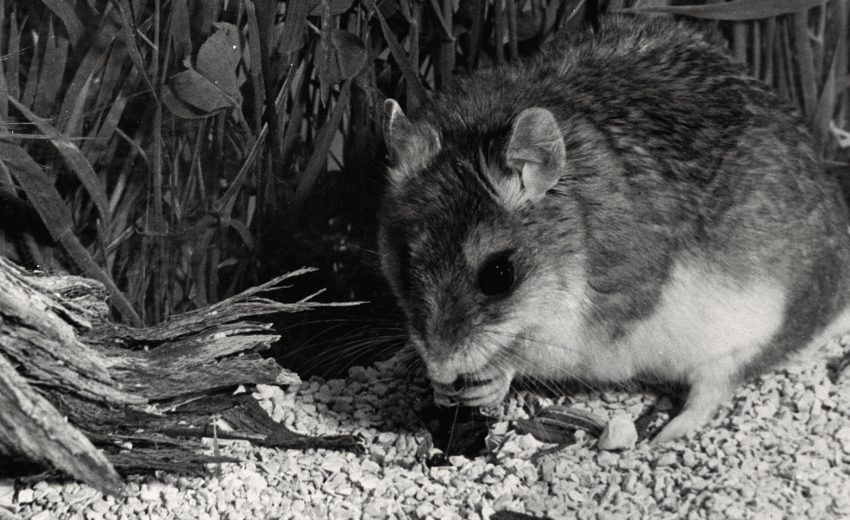
northern grasshopper mouse

The Northern Grasshopper Mouse

  • 22 September, 2023
  • Critterman
  • 2 Comments
  • 483 Views
  • 4 Likes
Daily Critter Facts, Land Mammal Facts, Rodent Facts
The northern grasshopper mouse can be found from southern Canada, throughout central United States, and into central and eastern Mexico. They prefer dry habitats, prairies with low grass, and pastures. With a stable
Read More...
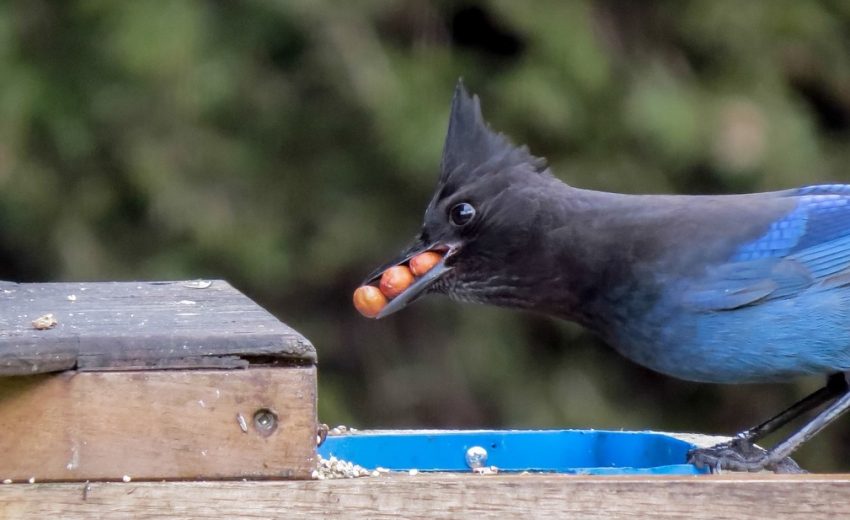
stellar's jay

The Stellar’s Jay

  • 21 September, 2023
  • Critterman
  • 3 Comments
  • 286 Views
  • 1 Likes
Bird Facts, Daily Critter Facts
The stellar’s jay, aka pine jay, mountain jay, or long-crested jay, can be found from southern Alaska, to western Canada, through western United States, throughout Mexico, and into Central America. They prefer coniferous forests
Read More...
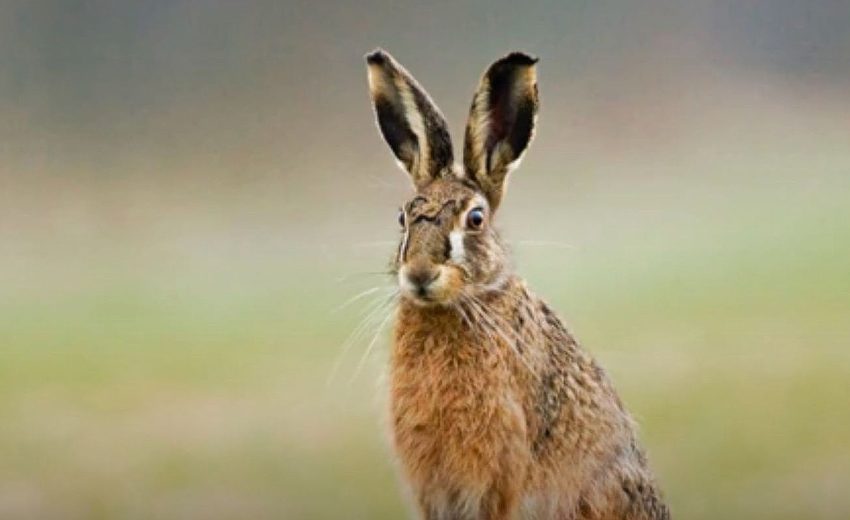
hispid hare

The Hispid Hare

  • 20 September, 2023
  • Critterman
  • 2 Comments
  • 314 Views
  • 2 Likes
Daily Critter Facts, Lagomorph Facts, Land Mammal Facts
The hispid hare, aka bristly rabbit or Assam rabbit, hails only from Bangladesh, Bhutan, India, and Nepal. They prefer tall grassland habitats but will also retreat to grassy or marshy habitats near rivers during the fire
Read More...
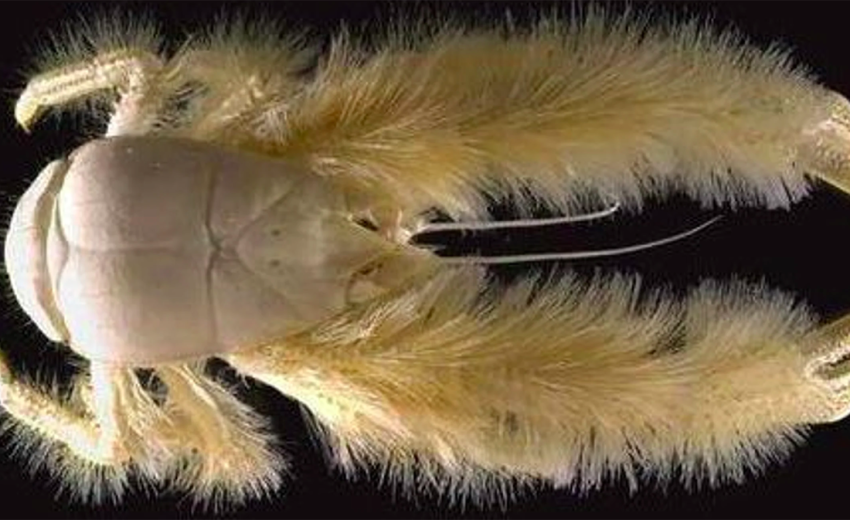
yeti crab

The Yeti Crab

  • 19 September, 2023
  • Critterman
  • 1 Comment
  • 477 Views
  • 3 Likes
Crustacean Facts, Daily Critter Facts, Fish Facts
The yeti crab, aka yeti lobster or furry lobster, lives on hydrothermal vents, around 7,200 feet deep in the Pacific Ocean, in 4 locations: the East Pacific, Pacific-Antarctic Ridge, the East Scotia Ridge, and the
Read More...
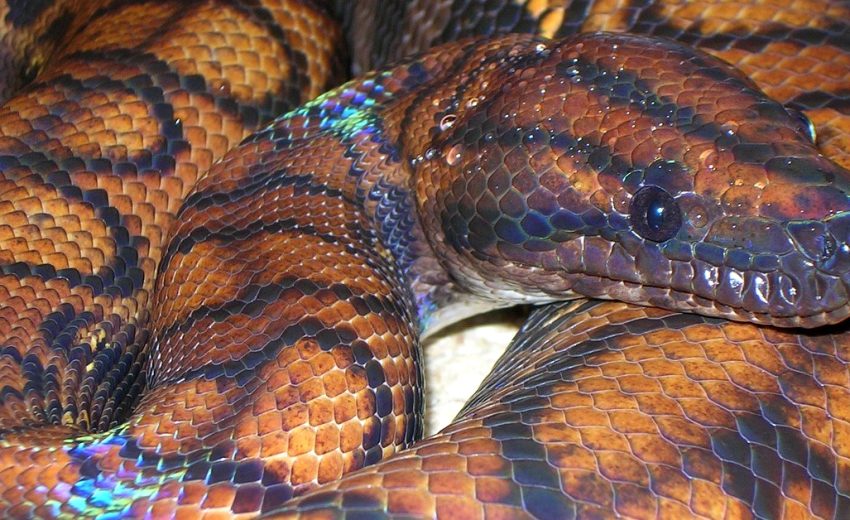
rainbow boa

The Stunning Rainbow Boa

  • 18 September, 2023
  • Critterman
  • No Comments
  • 255 Views
  • 2 Likes
Daily Critter Facts, Reptile Facts, Snake Facts
The rainbow boa, aka slender boa, can be found in Central and South America. They prefer rainforest habitats, and can also be found in open savannahs. These snakes are popular in the exotic pet trade, due to their beautiful
Read More...
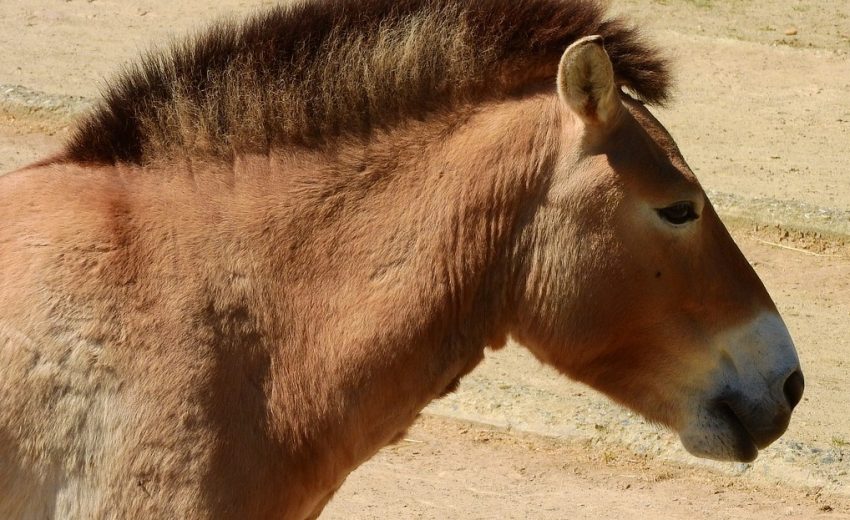
Przewalski's horse

The Przewalski’s Horse

  • 15 September, 2023
  • Critterman
  • No Comments
  • 320 Views
  • 1 Likes
Daily Critter Facts, Land Mammal Facts, Ungulate Facts
The Przewalski’s horse, aka Dzungarian horse, Mongolian wild horse, takh, or takhi, hails from Mongolia. More specifically Takhin Tal Nature Reserve, Khomiin Tal, and the Khustain Nuruu National Park. They prefer semi-desert
Read More...
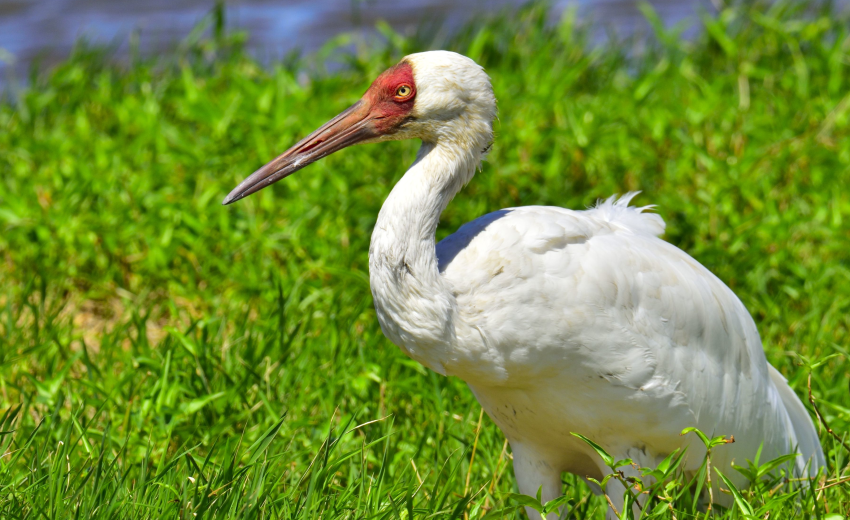
Siberian crane

The Siberian Crane

  • 14 September, 2023
  • Critterman
  • No Comments
  • 272 Views
  • 2 Likes
Bird Facts, Daily Critter Facts
The Siberian crane, aka Siberian white crane or snow crane, have 3 populations: western, central, and eastern. 1 population overwinters in Iran on the Caspian sea’s southern coast, then breeds in Russia’s northwest. Populations
Read More...
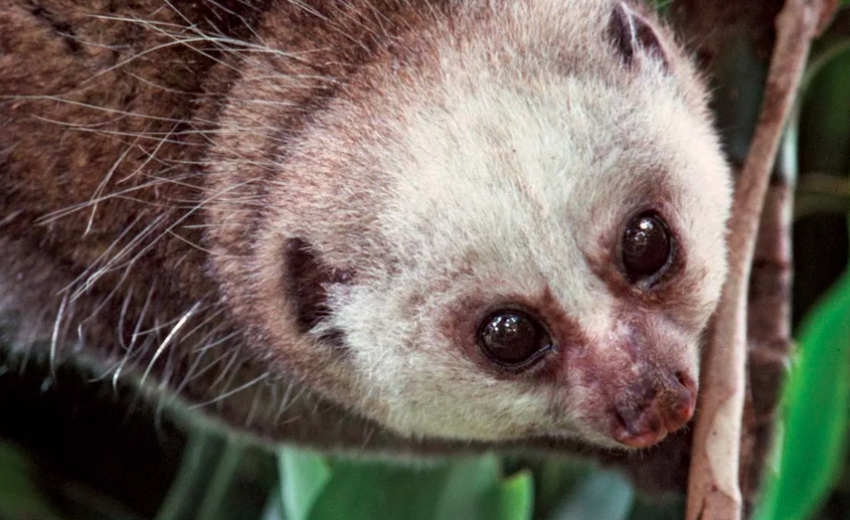
potto

The Fascinating Potto

  • 13 September, 2023
  • Critterman
  • No Comments
  • 262 Views
  • 1 Likes
Daily Critter Facts, Land Mammal Facts, Primate Facts
The potto, aka softly-softly or Bosman’s potto, is a strepsirrhine primate (belonging to the same family as lemurs, lorises, and galagos) that hails from Guinea, Uganda, Kenya, Nigeria, and north of the Democratic Republic
Read More...
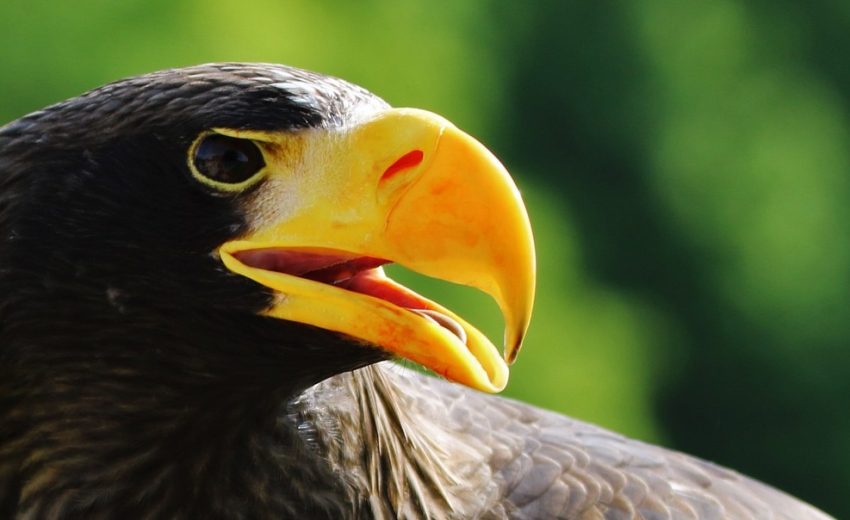
stellar's sea eagle

The Stellar’s Sea Eagle

  • 12 September, 2023
  • Critterman
  • No Comments
  • 233 Views
  • 1 Likes
Bird Facts, Daily Critter Facts, Predatory Bird Facts
The stellar’s sea eagle, aka Pacific sea eagle, steller’s fish eagle, or white-shouldered eagle, is considered the heaviest eagle in the world. They can be found in China, Japan, North Korea, South Korea, Taiwan, Russia, and even
Read More...
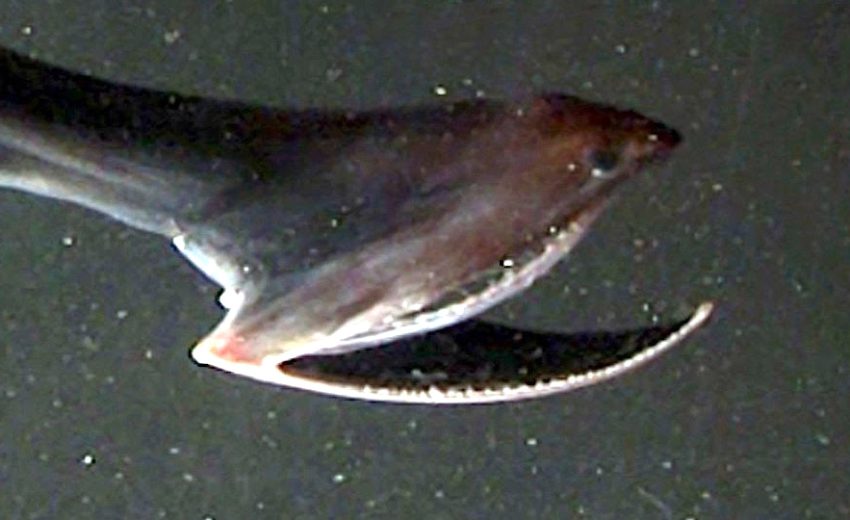
pelican eel

The Pelican Eel

  • 11 September, 2023
  • Critterman
  • No Comments
  • 591 Views
  • 15 Likes
Daily Critter Facts, Fish Facts
The pelican eel, aka pelican gulper, gulper eel, or umbrella-mouth gulper, can be found in the temperate and tropical areas of the world’s oceans. They are found at depths of up to 3,786 feet. So far, these critters are the

Read More...
1 … 58 59 60 61 62 … 190

Search Critter Science

Subscribe

I’ve Been Featured On…


Recent Posts

  • eastern tube-nosed bat
    The Eastern Tube-Nosed Bat

    Jan 6, 20260

  • Eurasian bittern
    The Eurasian Bittern

    Jan 5, 20260

  • red diamond rattlesnake
    The Red Diamond Rattlesnake

    Jan 2, 20260

  • forest raven
    The Forest Raven

    Jan 1, 20260

  • Cape genet
    The Cape Genet

    Dec 31, 20250

Past Articles

Follow Critter Science

Recent Comments

  • I will not tell u my name >:( on The Cozumel Raccoon
  • Critterman on The Black Widow Spider
  • Jett on The Black Widow Spider
  • Elizabeth on The Pink Fairy Armadillo
  • Roosrevil on Look Out for the Chupacabra!

Categories

Spread the Word

  • Daily Critter Facts
  • Guest Articles
  • BYET
  • Teachers
  • Study Guides
  • Contact

Copyright © 2025, Critter Science. All Rights Reserved.