Critter Science
  • Zoology
    • Ecology
      • Animal Conservation
        • CITES: Protecting Wildlife
        • Endangered Animals
        • Ex Situ Explained
        • In Situ Explained
        • Zoological Branches
      • Chromatophores and Survival
      • Ecosystems
        • Animal Habitats
        • The Biomes
        • Coastal Erosion
        • Rainforest Types
      • Evolution. The Facts.
        • Animal Devolution
        • What are Arachnids?
          • Spider Webs
        • Carl Linnaeus
        • Charles Darwin
        • Dame Jane Goodall
        • Evolution of Amphibians
        • Evolution of Birds
        • Genetic Drift in the Animal Kingdom
        • Naturalism
        • Natural Selection
        • What is a Marsupial?
      • Invertebrate Families Explored
      • Predator vs Prey
      • Producers and Consumers
      • Vertebrate Animal Families
    • Sustainability
      • Climate Change
      • Global Warming
      • Pollution
        • Air Pollution
        • Land Pollution
        • Light Pollution
        • Microplastics Pollution
        • Noise Pollution
        • Water Pollution
      • Recycling
        • Recycling Plastics
      • Renewable Energy
    • Animal Behavioral Patterns
      • Avian Communication
      • Elephant Communication
      • Herpetofauna Communication
      • Primate Language: The Debate
      • Types of Animal Dormancy
    • What are Species?
      • Amphibians vs Reptiles
      • Animal Reproduction
      • Claws, Nails, and Talons
      • Fur and Hair
      • Gecko Feet
      • Invasive Species
      • IUCN Statuses
      • Speciation
      • Species Complex
      • The Enigmatic Purr
      • Venom vs Poison
      • What is a Marsupial?
    • About the Critterman
  • Daily Critter Facts
    • Amphibian Facts
      • Frog Facts
      • Newt Facts
      • Salamander Facts
      • Toad Facts
    • Arthropod Facts
      • Arachnid Facts
      • Insect Facts
    • Bird Facts
      • Flightless Bird Facts
      • Predatory Bird Facts
      • Scavenger Bird Facts
      • Wading Bird Facts
    • Cryptozoology
    • Fish Facts
      • Cephalopod Facts
      • Crustacean Facts
      • Jellyfish Facts
      • Reefs
      • Shark and Ray Facts
      • Shellfish Facts
    • Flying Mammal Facts
    • Gastropod Facts
    • Land Mammal Facts
      • Canine Facts
      • Feline Facts
      • Lagomorph Facts
      • Marsupial Facts
      • Mustelid Facts
      • Primate Facts
      • Rodent Facts
      • Ungulate Facts
    • Parasite Facts
    • Reptile Facts
      • Crocodilian Facts
      • Lizard Facts
      • Snake Facts
      • Turtle Facts
    • Sea Mammal Facts
      • Dolphin Facts
      • Porpoise Facts
      • Sea Lion Facts
      • Seal Facts
      • Whale Facts
    • Worm Facts
  • For Teachers
    • Animal Quizzes
      • Amphibian Quiz
      • Bird Quiz
      • Cat Quiz
      • Dog Quiz
      • Dolphin Quiz
      • Insect Quiz
      • Reptile Quiz
    • Animal Word Search
    • Butterfly Life Cycle
      • Butterfly Metamorphosis
      • World’s Largest Butterfly
      • World’s Largest Moth
    • The Cellular Structure of an Animal
    • Coloring Pages
    • Fish and Sharks
    • Frogs vs Toads
    • Insect vs Bug
    • Metamorphosis – A Frog’s Life Cycle
  • Study Guides
    • African Animals
    • Antarctica Animals
    • Asian Animals
    • Australian Animals
    • Central American Animals
    • European Animals
    • North American Animals
    • South American Animals
  • Diseases & Parasites
    • Bsal
    • Canine Distemper Virus (CDV)
    • Chronic Wasting Disease (CWD)
    • The Deadly Chytrid Fungus
    • All About Parasites
    • The Rabies Virus
    • Toxoplasmosis
    • White-Nose Syndrome
  • Contact
    • General Contact
    • Guest Article Submission
      • Guest Articles
        • Guest Articles – 2024
    • What Critter is This?
    • Animal Welfare Organizations
    • Privacy Policy
Subscribe
leopard gecko

The Leopard Gecko

  • 7 March, 2022
  • Critterman
  • No Comments
  • 434 Views
  • 1 Likes
Daily Critter Facts, Lizard Facts, Reptile Facts

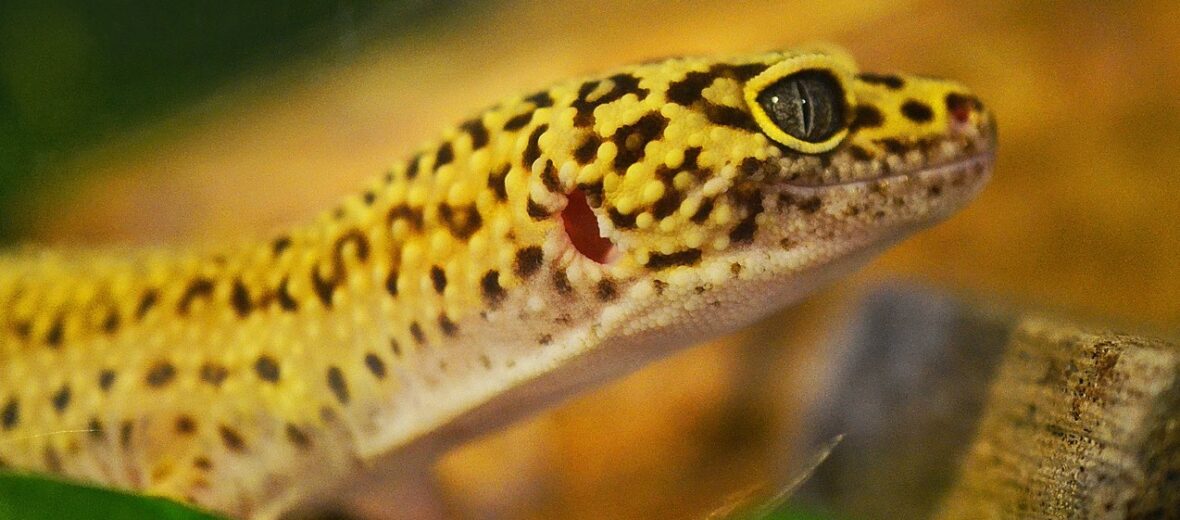
The leopard gecko is native to Pakistan, Afghanistan, north-west India, and certain portions of Iran. They prefer dry, rocky grasslands and desert regions. These cool and beautiful lizards come in a huge range of color morphs and patterns. They are also a common staple in the pet industry. In the wild, they face the threats of hunting, trapping, and habitat destruction; as well as over-collection for the pet trade. However, through all that, they are still listed as Least Concern by the IUCN.

First the Stats…

Scientific name: Eublepharis macularius
Weight: Up to 2.8 ounces
Length: Up to 11 inches
Lifespan: Up to 15 years

Now on to the Facts!

1.) These geckos are solitary and only come together to breed.

2.) Leopard geckos can be cathemeral (active during the day and night). However, they tend to be more nocturnal (active at night).

3.) In the wild, during the cold winter months, these geckos will brumate (hibernation for reptiles) till the weather warms up.

4.) Snakes, foxes, birds, and larger lizards all prey on leopard geckos.

5.) The leopard gecko is an insectivore (eats insects and grubs) that preys on beetles, centipedes, crickets, cockroaches, insect larvae, scorpions, spiders, other various insects, and nesting mice.

But wait, there’s more on the leopard gecko!

6.) When stressed, these geckos will produce barks and squeaks.

7.) The fatness of their tail is a common way to determine their healthy eating. The thicker the tail, the more fat reserves the lizard has.

Did you know…?
When these geckos shed their skin they always eat the skin. This aids in protein enrichment and in the prevention of predators picking up their scent.

8.) When brumating, these geckos will rely on the fat stored in their tail to provide temporary nourishment.

9.) A group of geckos is called a lounge.

10.) Females lay up to 2 clutches of up to 2 eggs each season.

But wait, there’s still more on the leopard gecko!

11.) Eggs hatch in to to 53 days. The young are born precocial (self sufficient and fully developed), like other lizards.

12.) Unlike many other geckos, these critters have moveable eyelids.

Did you know…?
Leopard geckos have large ear openings and excellent hearing. In fact, their audio canals are so large and only covered with a thin membrane called a tympanic membrane that you can literally see right through their head.

13.) These geckos are terrestrial. They don’t possess toepads like most other geckos, that would allow them to climb vertical surfaces.

14.) If pursued by a predator, these geckos can drop their tail in what is called caudal autonomy. The replacement tail grows back but never looks the same.

15.) Like other reptiles, leos are ectothermic (get their heat from external sources).

Now a Short Leopard Gecko Video!

Be sure to share & comment below! Also, check out the Critter Science YouTube channel. Videos added frequently!

Want to suggest a critter for me to write about? Let me know here.

Learn more about all kinds of cool critters, right here!
AfghanistandesertgeckoIndiaIranleopardleopard geckolizardPakistanpredatorprey
Critterman

With over 50 years of critter experience to my credit and hundreds of zoology teaching hours to people around the world, I have amassed not only a continuing thirst for critter knowledge but a desire to teach others all I can about the majesty and wonder of our natural world. Critter Science is a culmination of such knowledge. I have hands on as well as book acquired intel on all kinds of critters. Whether they're on land, sea, or in the air. I will never say that I know everything about all animals. That's impossible, even for a savant. But, that being said, ask me any animal question and I'll answer it. If I don't know the answer, I'll get an answer for you!

The Pygmy 3-Toed Sloth
The Short-Eared Owl
Related Posts
  • red diamond rattlesnake
    The Red Diamond Rattlesnake 2 January, 2026
  • forest raven
    The Forest Raven 1 January, 2026
  • Cape genet
    The Cape Genet 31 December, 2025
  • Daily Critter Facts
  • Guest Articles
  • BYET
  • Teachers
  • Study Guides
  • Contact

Copyright © 2025, Critter Science. All Rights Reserved.