Critter Science
  • Zoology
    • Ecology
      • Animal Conservation
        • CITES: Protecting Wildlife
        • Dame Jane Goodall
        • Endangered Animals
        • Ex Situ Explained
        • In Situ Explained
        • IUCN Statuses
        • Zoological Branches
      • Chromatophores and Survival
      • Ecosystems
        • Animal Habitats
        • The Biomes
        • Coastal Erosion
        • Rainforest Types
      • Evolution. The Facts.
        • Animal Devolution
        • Animal Mimicry
        • Convergent Evolution
        • Carl Linnaeus
        • Charles Darwin
        • Evolution of Amphibians
        • Evolution of Birds
        • Genetic Drift in the Animal Kingdom
        • Naturalism
        • Natural Selection
        • Venom vs Poison
      • Genetic Pollution
      • Invertebrate Families Explored
        • What are Arachnids?
          • Spider Webs
      • Predator vs Prey
      • Producers and Consumers
      • Vertebrate Animal Families
        • Amphibians: Unseen Guardians
        • Snakes vs Legless Lizards
        • What is a Marsupial?
      • The Wild Apothecary
    • Sustainability
      • Climate Change
      • Global Warming
      • Pollution
        • Air Pollution
        • Land Pollution
        • Light Pollution
        • Microplastics Pollution
        • Noise Pollution
        • Water Pollution
      • Recycling
        • Recycling Plastics
      • Renewable Energy
    • Animal Behavioral Patterns
      • Avian Communication
      • Animal Thermoregulation
      • Cetacean Communication
      • Elephant Communication
      • Herpetofauna Communication
      • Primate Language: The Debate
      • Types of Animal Dormancy
    • What are Species?
      • Amphibians vs Reptiles
      • Animal Reproduction
      • Animal Skin and Scales
      • Claws, Nails, and Talons
      • Fur and Hair
      • Gecko Feet
      • Invasive Species
      • Lazarus Species: Rediscovered Life
      • Speciation
      • Species Complex
      • The Enigmatic Purr
    • About the Critterman
  • Daily Critter Facts
    • Amphibian Facts
      • Frog Facts
      • Newt Facts
      • Salamander Facts
      • Toad Facts
    • Arthropod Facts
      • Arachnid Facts
      • Insect Facts
    • Bird Facts
      • Flightless Bird Facts
      • Predatory Bird Facts
      • Scavenger Bird Facts
      • Wading Bird Facts
    • Cryptozoology
    • Fish Facts
      • Cephalopod Facts
      • Crustacean Facts
      • Jellyfish Facts
      • Reefs
      • Shark and Ray Facts
      • Shellfish Facts
    • Flying Mammal Facts
    • Gastropod Facts
    • Land Mammal Facts
      • Canine Facts
      • Feline Facts
      • Lagomorph Facts
      • Marsupial Facts
      • Mustelid Facts
      • Primate Facts
      • Rodent Facts
      • Ungulate Facts
    • Parasite Facts
    • Reptile Facts
      • Crocodilian Facts
      • Lizard Facts
      • Snake Facts
      • Turtle Facts
    • Sea Mammal Facts
      • Dolphin Facts
      • Porpoise Facts
      • Sea Lion Facts
      • Seal Facts
      • Whale Facts
    • Worm Facts
  • For Teachers
    • Animal Quizzes
      • Amphibian Quiz
      • Bird Quiz
      • Cat Quiz
      • Dog Quiz
      • Dolphin Quiz
      • Insect Quiz
      • Reptile Quiz
    • Animal Word Search
    • Butterfly Life Cycle
      • Butterfly Metamorphosis
      • World’s Largest Butterfly
      • World’s Largest Moth
    • The Cellular Structure of an Animal
    • Coloring Pages
    • Fish and Sharks
    • Frogs vs Toads
    • Insect vs Bug
    • Metamorphosis – A Frog’s Life Cycle
  • Study Guides
    • African Animals
    • Antarctica Animals
    • Asian Animals
    • Australian Animals
    • Central American Animals
    • European Animals
    • North American Animals
    • South American Animals
  • Diseases & Parasites
    • Bsal
    • Canine Distemper Virus (CDV)
    • Chronic Wasting Disease (CWD)
    • The Deadly Chytrid Fungus
    • All About Parasites
    • The Rabies Virus
    • Toxoplasmosis
    • White-Nose Syndrome
  • Contact
    • General Contact
    • Guest Article Submission
      • Guest Articles
        • Guest Articles – 2024
    • What Critter is This?
    • Animal Welfare Organizations
    • Privacy Policy
Subscribe
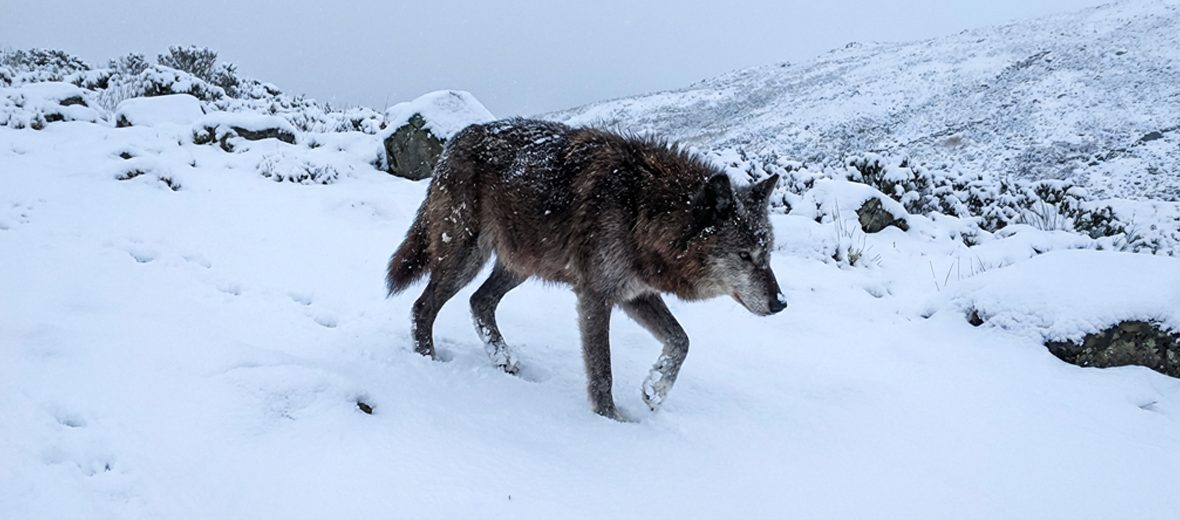
Himalayan wolf

The Himalayan Wolf

  • 6 March, 2026
  • Critterman
  • No Comments
  • 1 Views
  • 0 Likes
Canine Facts, Daily Critter Facts, Land Mammal Facts

The Himalayan wolf as its own species is highly debated, as they are quite similar to the Mongolian wolf and African wolf. However, mitochondrial DNA has determined that they are genetically basal to the grey wolf. Some scientists have proposed the reclassification of this lineage as a separate species. They face the threats of unsustainable hunting and poaching, for their fur, meat, and other body parts to be used in traditional medicine; persecution, due to their habit of preying on livestock; lack of protection from being hunted; habitat loss and destruction at the hands of mining, quarrying, and human settlements; and the reduction in natural prey, which drives these wolves to the dangerous task of hunting livestock. The IUCN lists these beautiful wolves as Vulnerable. Their population trend is listed as decreasing.

First the Stats…

Scientific name: Canis lupus chanco
Weight: Up to 121 lbs.
Length: Up to 70 inches, including the tail
Height: Up to 30 inches, at the shoulders
Lifespan: Up to 15 years

Now on to the Facts!

1.) Their heart can withstand the low oxygen levels at high elevations. They have a strong selection for RYR2, a gene that initiates cardiac excitation. Cardiac excitation is the essential physiological process converting an electrical action potential into mechanical heart contraction.

2.) In 2021, a study matched both the mitochondrial DNA and the nuclear DNA (of the cell nucleus) from these wolves with those from the lowlands of India. The genomic analyses indicated that the Himalayan wolf and the Indian lowland wolf were genetically different from one another.

3.) The howls of these wolves have lower, unmodulated frequencies, and are shorter in length compared to grey wolf howls.

4.) They prey on a wide variety of animals such as Bactrian deer, Yarkand deer, Tibetan red deer, Siberian roe deer, Siberian ibex, Tibetan wild asses, Przewalski’s horses, wild yaks, markhors, argalis, urials, Himalayan marmots, large-eared pikas, woolly hares, Tibetan gazelle, and white-lipped deer.

5.) These wolves prefer to avoid livestock hunting as it is dangerous, however the constant growth of human settlements and subsequent loss of wild prey has driven them to make the choice between starvation and hunting livestock.

But wait, there’s more on the Himalayan wolf!

6.) In India, these wolves are protected under Schedule I of the Wildlife Protection Act, 1972, which prohibits hunting.

7.) Lack of information about their basic ecology in this landscape is a big obstacle for developing a conservation plan.

Did you know…?
Historical sources have stated that these wolves have occasionally killed children in Ladakh and Lahaul.

8.) Females undergo up to a 63 day gestation (pregnancy) that yields up to 6 pups.

9.) Pups are birthed in dens (this is called denning), often in rocky crevices, ravines, or simply holes dug in the ground.

10.) In 2007, 18 Himalayan wolves were housed for breeding in 2 Indian zoos. They were captured from the wild and were kept at the Padmaja Naidu Himalayan Zoological Park in West Bengal, as well as in the Kufri Zoo in Himachal Pradesh.

11.) From the programs in the Padmaja Naidu Himalayan Zoological Park, as well as the Kufri Zoo in Himachal Pradesh, 32+ pups were raised and redistributed to other zoos to continue the breeding process. Once enough are bred, they will likely be reintroduced to their natural habitat.

Now a Short Himalayan Wolf Video!

Be sure to share & comment below! Also, check out the Critter Science YouTube channel. Videos added regularly!

Subscribe


Want to suggest a critter for me to write about? Let me know here.

Some source material acquired from: Wikipedia & IUCN

Trending
The Robust Ghost Pipefish

AsiaAsiancaninecaninescoldHimalayanHimalayan wolfIndiapredatorpuppupswolfwolves
Critterman

With over 50 years of critter experience to my credit and hundreds of zoology teaching hours to people around the world, I have amassed not only a continuing thirst for critter knowledge but a desire to teach others all I can about the majesty and wonder of our natural world. Critter Science is a culmination of such knowledge. I have hands on as well as book acquired intel on all kinds of critters. Whether they're on land, sea, or in the air. I will never say that I know everything about all animals. That's impossible, even for a savant. But, that being said, ask me any animal question and I'll answer it. If I don't know the answer, I'll get an answer for you!

The Goliath Heron
Related Posts
  • Goliath heron
    The Goliath Heron 5 March, 2026
  • red river hog
    The Red River Hog 4 March, 2026
  • Chinese mitten crab
    The Chinese Mitten Crab 3 March, 2026

Leave a Reply Cancel Reply

Your email address will not be published. Required fields are marked *

  • Daily Critter Facts
  • Guest Articles
  • BYET
  • Teachers
  • Study Guides
  • Contact

Copyright © 2025, Critter Science. All Rights Reserved.