Critter Science
  • Zoology
    • Ecology
      • Animal Conservation
        • CITES: Protecting Wildlife
        • Dame Jane Goodall
        • Endangered Animals
        • Ex Situ Explained
        • In Situ Explained
        • IUCN Statuses
        • Zoological Branches
      • Chromatophores and Survival
      • Ecosystems
        • Animal Habitats
        • The Biomes
        • Coastal Erosion
        • Rainforest Types
      • Evolution. The Facts.
        • Animal Devolution
        • Animal Mimicry
        • Convergent Evolution
        • Carl Linnaeus
        • Charles Darwin
        • Evolution of Amphibians
        • Evolution of Birds
        • Genetic Drift in the Animal Kingdom
        • Naturalism
        • Natural Selection
        • Venom vs Poison
      • Invertebrate Families Explored
        • What are Arachnids?
          • Spider Webs
      • Predator vs Prey
      • Producers and Consumers
      • Vertebrate Animal Families
        • Snakes vs Legless Lizards
        • What is a Marsupial?
      • The Wild Apothecary
    • Sustainability
      • Climate Change
      • Global Warming
      • Pollution
        • Air Pollution
        • Land Pollution
        • Light Pollution
        • Microplastics Pollution
        • Noise Pollution
        • Water Pollution
      • Recycling
        • Recycling Plastics
      • Renewable Energy
    • Animal Behavioral Patterns
      • Avian Communication
      • Cetacean Communication
      • Elephant Communication
      • Herpetofauna Communication
      • Primate Language: The Debate
      • Types of Animal Dormancy
    • What are Species?
      • Amphibians vs Reptiles
      • Animal Reproduction
      • Animal Skin and Scales
      • Claws, Nails, and Talons
      • Fur and Hair
      • Gecko Feet
      • Invasive Species
      • Lazarus Species: Rediscovered Life
      • Speciation
      • Species Complex
      • The Enigmatic Purr
    • About the Critterman
  • Daily Critter Facts
    • Amphibian Facts
      • Frog Facts
      • Newt Facts
      • Salamander Facts
      • Toad Facts
    • Arthropod Facts
      • Arachnid Facts
      • Insect Facts
    • Bird Facts
      • Flightless Bird Facts
      • Predatory Bird Facts
      • Scavenger Bird Facts
      • Wading Bird Facts
    • Cryptozoology
    • Fish Facts
      • Cephalopod Facts
      • Crustacean Facts
      • Jellyfish Facts
      • Reefs
      • Shark and Ray Facts
      • Shellfish Facts
    • Flying Mammal Facts
    • Gastropod Facts
    • Land Mammal Facts
      • Canine Facts
      • Feline Facts
      • Lagomorph Facts
      • Marsupial Facts
      • Mustelid Facts
      • Primate Facts
      • Rodent Facts
      • Ungulate Facts
    • Parasite Facts
    • Reptile Facts
      • Crocodilian Facts
      • Lizard Facts
      • Snake Facts
      • Turtle Facts
    • Sea Mammal Facts
      • Dolphin Facts
      • Porpoise Facts
      • Sea Lion Facts
      • Seal Facts
      • Whale Facts
    • Worm Facts
  • For Teachers
    • Animal Quizzes
      • Amphibian Quiz
      • Bird Quiz
      • Cat Quiz
      • Dog Quiz
      • Dolphin Quiz
      • Insect Quiz
      • Reptile Quiz
    • Animal Word Search
    • Butterfly Life Cycle
      • Butterfly Metamorphosis
      • World’s Largest Butterfly
      • World’s Largest Moth
    • The Cellular Structure of an Animal
    • Coloring Pages
    • Fish and Sharks
    • Frogs vs Toads
    • Insect vs Bug
    • Metamorphosis – A Frog’s Life Cycle
  • Study Guides
    • African Animals
    • Antarctica Animals
    • Asian Animals
    • Australian Animals
    • Central American Animals
    • European Animals
    • North American Animals
    • South American Animals
  • Diseases & Parasites
    • Bsal
    • Canine Distemper Virus (CDV)
    • Chronic Wasting Disease (CWD)
    • The Deadly Chytrid Fungus
    • All About Parasites
    • The Rabies Virus
    • Toxoplasmosis
    • White-Nose Syndrome
  • Contact
    • General Contact
    • Guest Article Submission
      • Guest Articles
        • Guest Articles – 2024
    • What Critter is This?
    • Animal Welfare Organizations
    • Privacy Policy
Subscribe

Slide DAILY CRITTER FACTS DAILY CRITTER FACTS
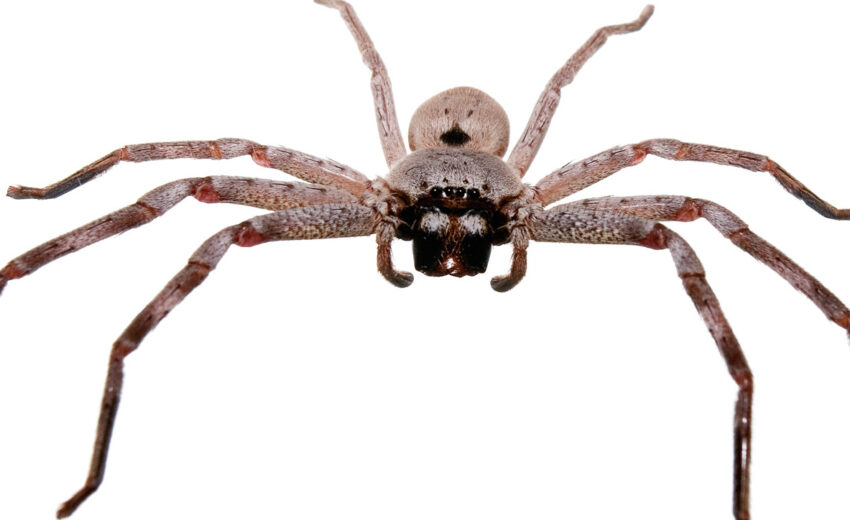
huntsman spider

Australia’s Giant Huntsman Spider!

  • 30 January, 2019
  • Critterman
  • No Comments
  • 4051 Views
  • 8 Likes
Daily Critter Facts, Arachnid Facts, Arthropod Facts

Winning the title for the world’s largest (in diameter) spider it’s the huntsman spider! These critters are fast as a whip and outsize the Goliath bird eating tarantula for largest
Read More...
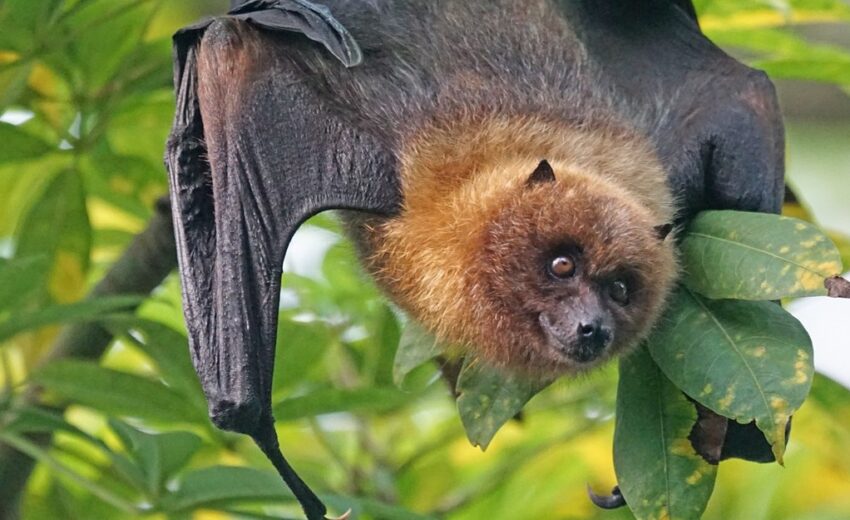
flying fox

Australia’s Giant Flying Fox

  • 29 January, 2019
  • Critterman
  • No Comments
  • 2655 Views
  • 6 Likes
Daily Critter Facts, Flying Mammal Facts

Winning the title for the world’s largest bat species, it’s the flying fox. There are more than 60 known species of these bats living in Asia, Australia, Africa, and various Pacific islands. Fossil records show they first evolved from prehistoric giant
Read More...
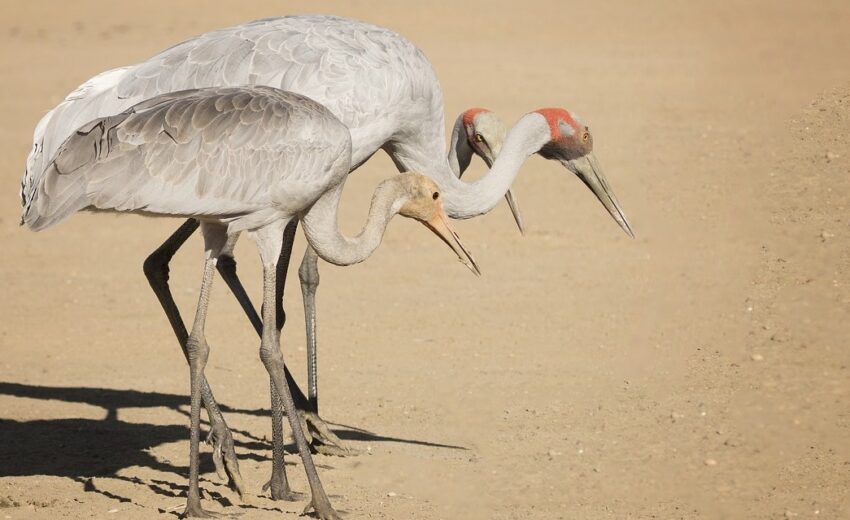
brolga

The Dancing Brolga

  • 28 January, 2019
  • Critterman
  • No Comments
  • 1320 Views
  • 1 Likes
Daily Critter Facts, Bird Facts

The brolga is a common wetland bird species of tropical and South-Eastern Australia, and New Guinea. Within New South Wales, brolga numbers have been reduced because of widespread
Read More...
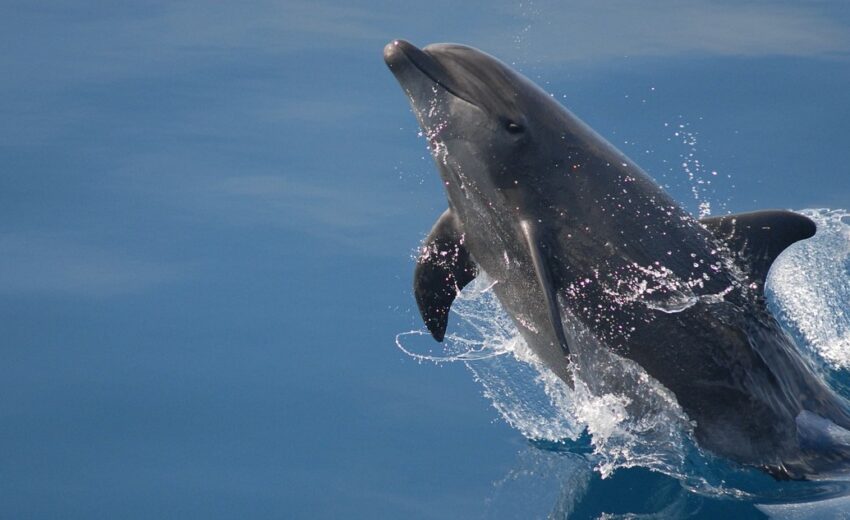
bottlenose dolphin

The Amazing Bottlenose Dolphin

  • 25 January, 2019
  • Critterman
  • No Comments
  • 932 Views
  • 4 Likes
Daily Critter Facts, Dolphin Facts, Sea Mammal Facts

Made popular by TV, movies, and sadly public aquariums, the bottlenose dolphin is a marine mammal that belongs to the family Delphinidae. It can be found in tropical and temperate oceans all over the world. Bottlenose dolphins live in the open sea, but they often
Read More...
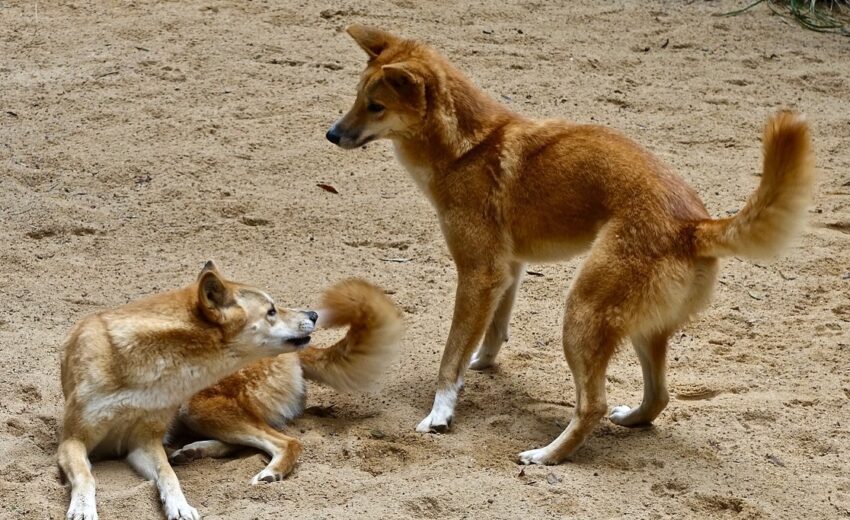
dingo

Australia’s Wild Dog… the Dingo

  • 24 January, 2019
  • Critterman
  • No Comments
  • 1581 Views
  • 2 Likes
Daily Critter Facts, Canine Facts, Land Mammal Facts

Even though they originally hail from Southeast Asia, and can still be found there, the dingo is considered Australia’s wild dog. They inhabit woodlands, grasslands, and the edges of forests. Due to humans encroaching on and reducing their territories, the dingo
Read More...
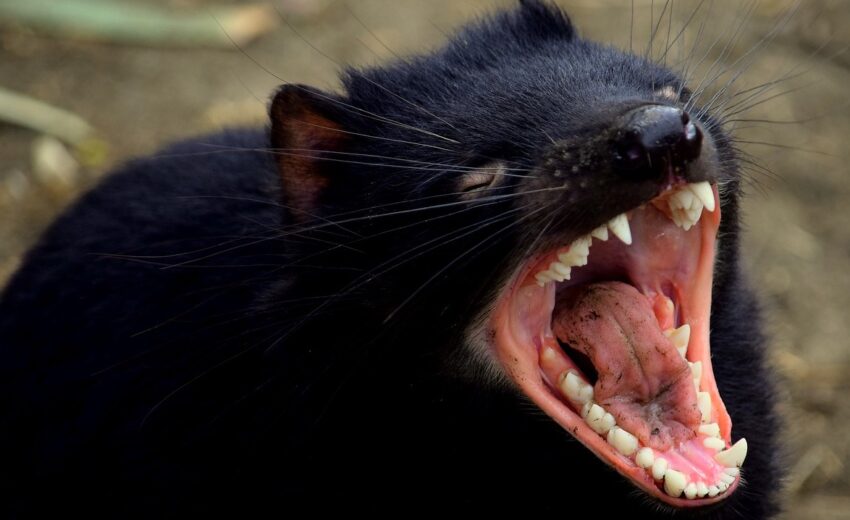
Tasmanian devil

The Fierce Tasmanian Devil

  • 23 January, 2019
  • Critterman
  • No Comments
  • 1313 Views
  • 4 Likes
Daily Critter Facts, Land Mammal Facts, Marsupial Facts

Contrary to their depiction in the Looney Tunes™ cartoons, the Tasmanian devil does not spin like a mini tornado. They do have one heck of a bite and have tempers too. They’re fierce predators and love eating. They don’t get very large but they are still a force to
Read More...
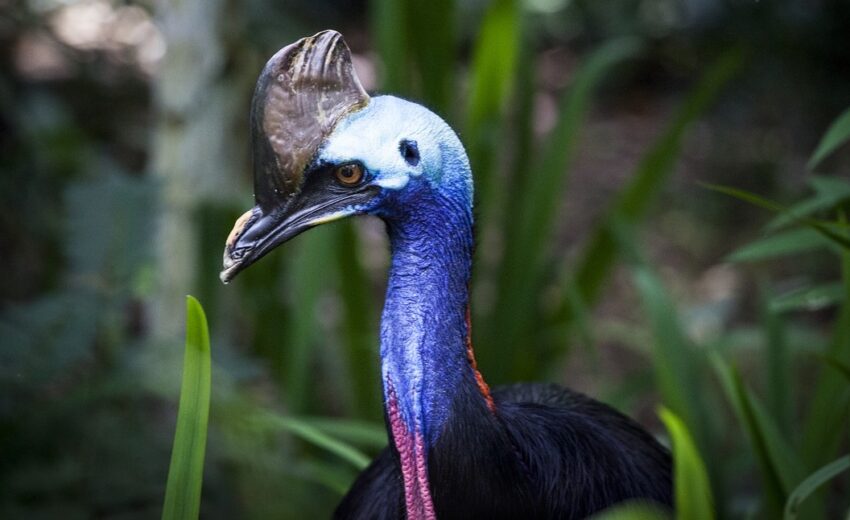
cassowary

Lookout for the Dangerous Cassowary

  • 22 January, 2019
  • Critterman
  • No Comments
  • 1216 Views
  • 1 Likes
Daily Critter Facts, Bird Facts, Flightless Bird Facts

The cassowary is a territorial flightless bird that is capable of severely injuring or even killing opponents by disemboweling. Typically, these birds will only attack if they feel threatened. But they are very moody. There are 3 species of cassowary that can be found in
Read More...
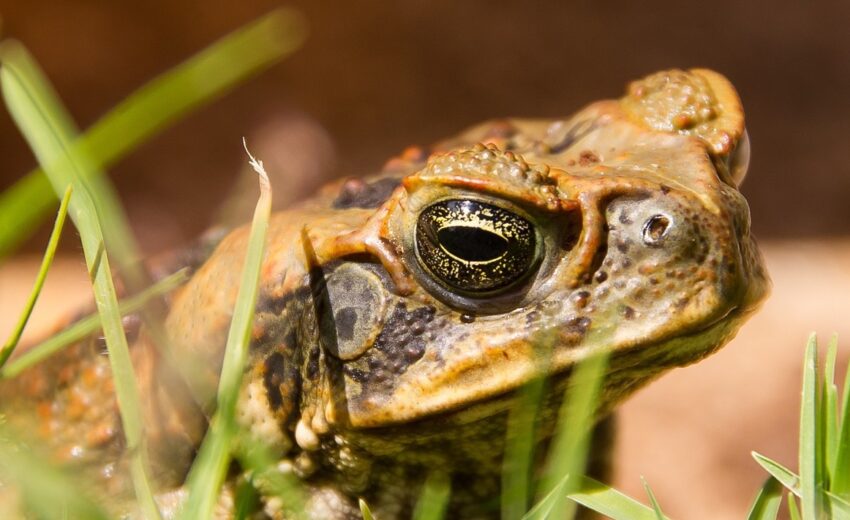
cane toad

The Invasive Cane Toad

  • 21 January, 2019
  • Critterman
  • No Comments
  • 1032 Views
  • 3 Likes
Daily Critter Facts, Amphibian Facts, Toad Facts

In an effort to control the cane beetle infestations, Australians decided to bring in the cane toad. Instead of eating cane beetles and grubs, these toads ate everything but… Talk about your all time backfires
Read More...
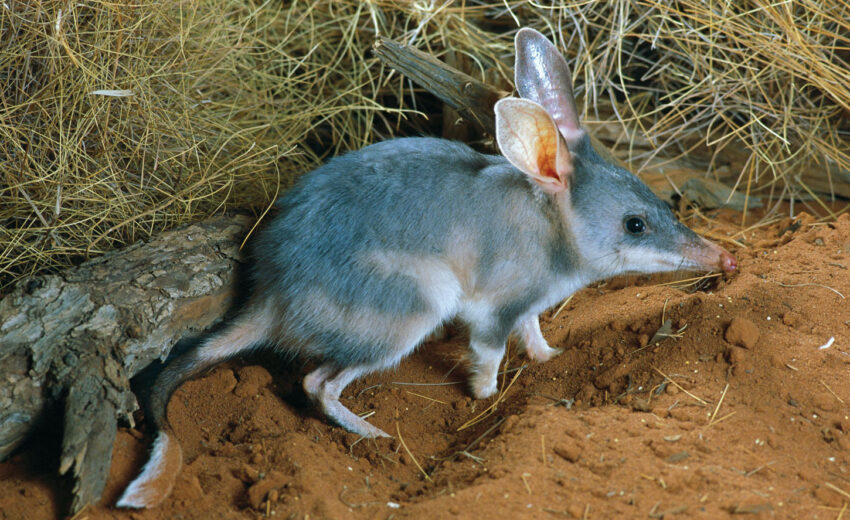
bilby

Say Hello to the Bilby

  • 18 January, 2019
  • Critterman
  • No Comments
  • 1120 Views
  • 13 Likes
Daily Critter Facts, Land Mammal Facts, Marsupial Facts

The bilby is small marsupial that belongs to the bandicoot family. There used to be 2 species: the greater and the lesser bilby. They were, at one time, widespread across Australia. Today, only the greater bilby exists and it’s endangered due to
Read More...
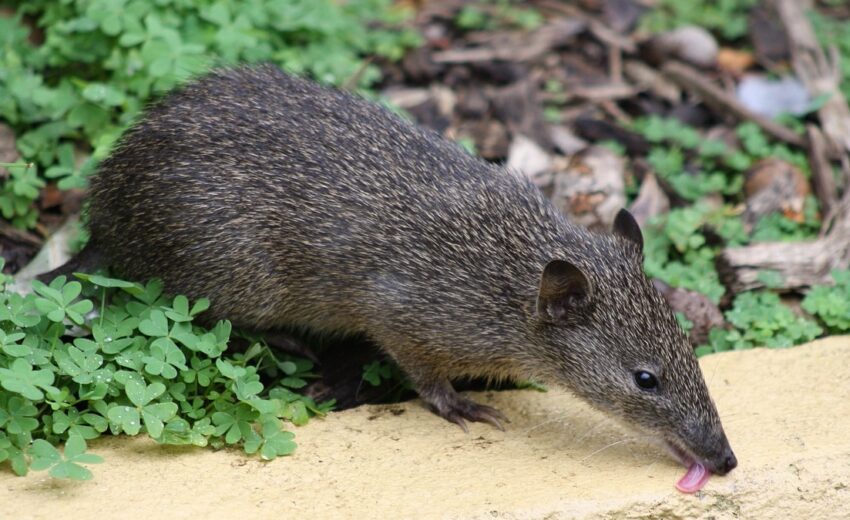
bandicoot

The Bandicoot, but not Crash

  • 17 January, 2019
  • Critterman
  • No Comments
  • 1697 Views
  • 2 Likes
Daily Critter Facts, Land Mammal Facts, Marsupial Facts

The bandicoot is a small marsupial that looks like a rat, however they are more closely related to rabbits. Bandicoots can be found

Read More...
1 … 177 178 179 180 181 … 192

Search Critter Science

Subscribe

I’ve Been Featured On…


Recent Posts

  • Greenland wolf
    The Greenland Wolf

    Feb 11, 20260

  • tufted jay
    The Tufted Jay

    Feb 10, 20260

  • Amazonian giant centipede
    The Amazonian Giant Centipede

    Feb 9, 20260

  • long-toed salamander
    The Long-Toed Salamander

    Feb 6, 20260

  • ghost bat
    The Ghost Bat

    Feb 5, 20260

Past Articles

Follow Critter Science

Recent Comments

  • Momm on The Northern Muriqui
  • I will not tell u my name >:( on The Cozumel Raccoon
  • Critterman on The Black Widow Spider
  • Jett on The Black Widow Spider
  • Elizabeth on The Pink Fairy Armadillo

Categories

Spread the Word

  • Daily Critter Facts
  • Guest Articles
  • BYET
  • Teachers
  • Study Guides
  • Contact

Copyright © 2025, Critter Science. All Rights Reserved.