Critter Science
  • Zoology
    • Ecology
      • Animal Conservation
        • CITES: Protecting Wildlife
        • Dame Jane Goodall
        • Endangered Animals
        • Ex Situ Explained
        • In Situ Explained
        • Zoological Branches
      • Chromatophores and Survival
      • Ecosystems
        • Animal Habitats
        • The Biomes
        • Coastal Erosion
        • Rainforest Types
      • Evolution. The Facts.
        • Animal Devolution
        • Animal Mimicry
        • Convergent Evolution
        • Carl Linnaeus
        • Charles Darwin
        • Evolution of Amphibians
        • Evolution of Birds
        • Genetic Drift in the Animal Kingdom
        • Naturalism
        • Natural Selection
      • Invertebrate Families Explored
        • What are Arachnids?
          • Spider Webs
      • Predator vs Prey
      • Producers and Consumers
      • Vertebrate Animal Families
        • Snakes vs Legless Lizards
        • What is a Marsupial?
    • Sustainability
      • Climate Change
      • Global Warming
      • Pollution
        • Air Pollution
        • Land Pollution
        • Light Pollution
        • Microplastics Pollution
        • Noise Pollution
        • Water Pollution
      • Recycling
        • Recycling Plastics
      • Renewable Energy
    • Animal Behavioral Patterns
      • Avian Communication
      • Cetacean Communication
      • Elephant Communication
      • Herpetofauna Communication
      • Primate Language: The Debate
      • Types of Animal Dormancy
    • What are Species?
      • Amphibians vs Reptiles
      • Animal Reproduction
      • Claws, Nails, and Talons
      • Fur and Hair
      • Gecko Feet
      • Invasive Species
      • IUCN Statuses
      • Speciation
      • Species Complex
      • The Enigmatic Purr
      • Venom vs Poison
    • About the Critterman
  • Daily Critter Facts
    • Amphibian Facts
      • Frog Facts
      • Newt Facts
      • Salamander Facts
      • Toad Facts
    • Arthropod Facts
      • Arachnid Facts
      • Insect Facts
    • Bird Facts
      • Flightless Bird Facts
      • Predatory Bird Facts
      • Scavenger Bird Facts
      • Wading Bird Facts
    • Cryptozoology
    • Fish Facts
      • Cephalopod Facts
      • Crustacean Facts
      • Jellyfish Facts
      • Reefs
      • Shark and Ray Facts
      • Shellfish Facts
    • Flying Mammal Facts
    • Gastropod Facts
    • Land Mammal Facts
      • Canine Facts
      • Feline Facts
      • Lagomorph Facts
      • Marsupial Facts
      • Mustelid Facts
      • Primate Facts
      • Rodent Facts
      • Ungulate Facts
    • Parasite Facts
    • Reptile Facts
      • Crocodilian Facts
      • Lizard Facts
      • Snake Facts
      • Turtle Facts
    • Sea Mammal Facts
      • Dolphin Facts
      • Porpoise Facts
      • Sea Lion Facts
      • Seal Facts
      • Whale Facts
    • Worm Facts
  • For Teachers
    • Animal Quizzes
      • Amphibian Quiz
      • Bird Quiz
      • Cat Quiz
      • Dog Quiz
      • Dolphin Quiz
      • Insect Quiz
      • Reptile Quiz
    • Animal Word Search
    • Butterfly Life Cycle
      • Butterfly Metamorphosis
      • World’s Largest Butterfly
      • World’s Largest Moth
    • The Cellular Structure of an Animal
    • Coloring Pages
    • Fish and Sharks
    • Frogs vs Toads
    • Insect vs Bug
    • Metamorphosis – A Frog’s Life Cycle
  • Study Guides
    • African Animals
    • Antarctica Animals
    • Asian Animals
    • Australian Animals
    • Central American Animals
    • European Animals
    • North American Animals
    • South American Animals
  • Diseases & Parasites
    • Bsal
    • Canine Distemper Virus (CDV)
    • Chronic Wasting Disease (CWD)
    • The Deadly Chytrid Fungus
    • All About Parasites
    • The Rabies Virus
    • Toxoplasmosis
    • White-Nose Syndrome
  • Contact
    • General Contact
    • Guest Article Submission
      • Guest Articles
        • Guest Articles – 2024
    • What Critter is This?
    • Animal Welfare Organizations
    • Privacy Policy
Subscribe

Slide DAILY CRITTER FACTS DAILY CRITTER FACTS
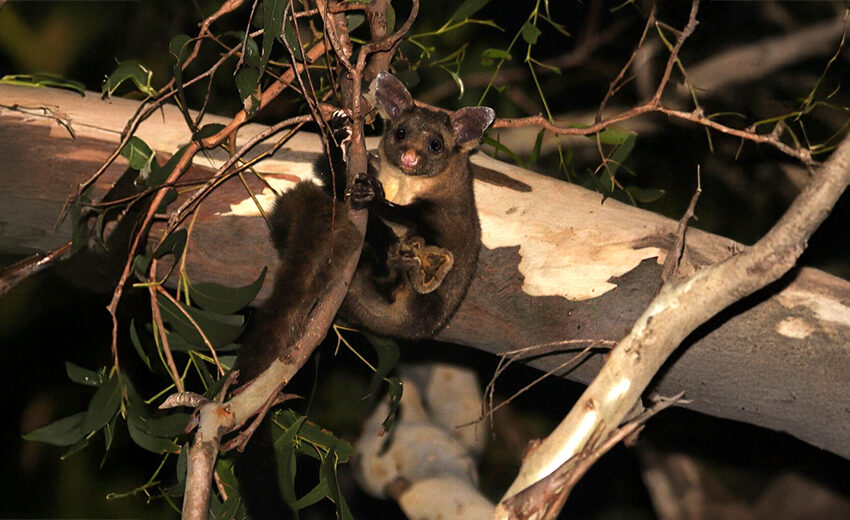
yellow-bellied glider

The Yellow-Bellied Glider

  • 19 March, 2025
  • Critterman
  • No Comments
  • 113 Views
  • 4 Likes
Daily Critter Facts, Land Mammal Facts, Marsupial Facts
The yellow-bellied glider, aka fluffy glider, hails from eastern Australia. They prefer forest and woodland habitats. Like other glider species, these critters are able to effortlessly glide from tree to tree in search of food and/or a partner. Sadly, they face the threats of
Read More...
whipworm

The Invasive Whipworm

  • 18 March, 2025
  • Critterman
  • No Comments
  • 106 Views
  • 1 Likes
Daily Critter Facts, Parasite Facts
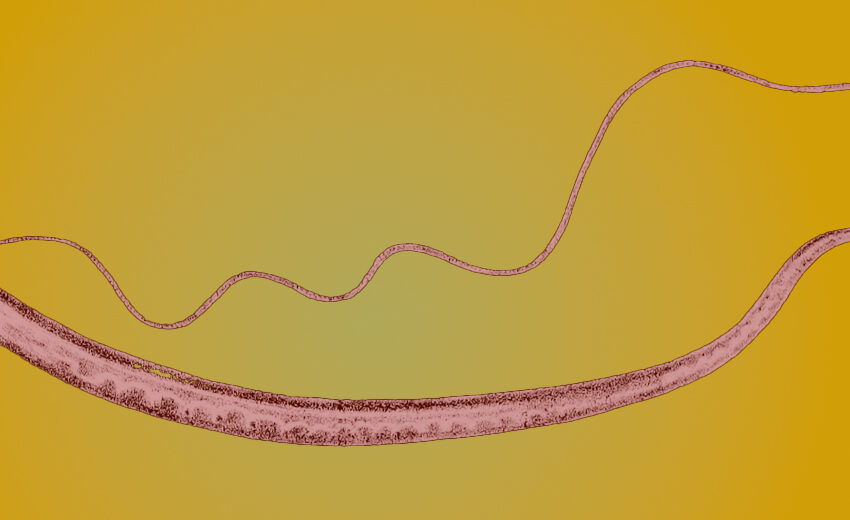
The whipworm is a parasitic species of roundworm that is usually obtained from eating food or drinking water that contains these worms. They can infect both animals and humans alike. These parasites can cause trichuriasis, aka whipworm disease. This results in
Read More...
square-tailed kite

The Square-Tailed Kite

  • 17 March, 2025
  • Critterman
  • No Comments
  • 101 Views
  • 1 Likes
Bird Facts, Daily Critter Facts, Predatory Bird Facts
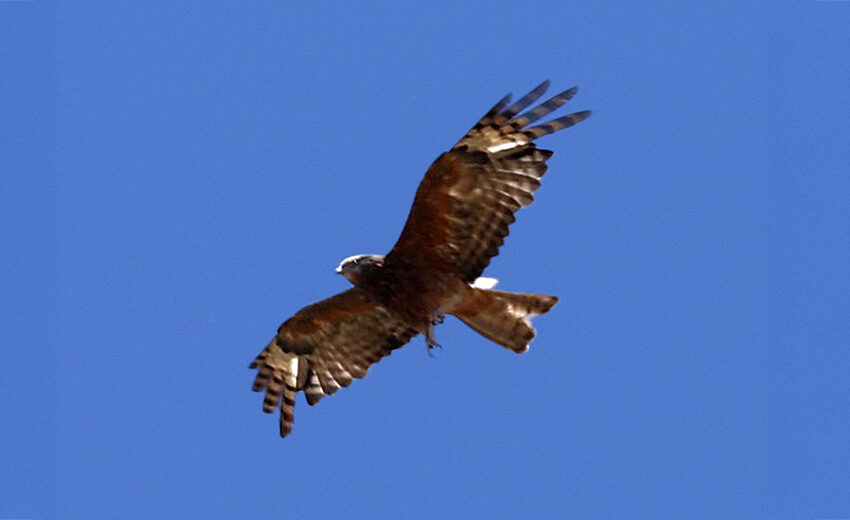
The square-tailed kite is in the family Accipitridae, which also includes other raptors like eagles and harriers. These kites dwell throughout most of Australia. Even though more than half of their territory has been decimated for use as agricultural land and the fact that they face
Read More...
Japanese beetle

The Notorious Japanese Beetle

  • 14 March, 2025
  • Critterman
  • No Comments
  • 93 Views
  • 1 Likes
Arthropod Facts, Daily Critter Facts, Insect Facts
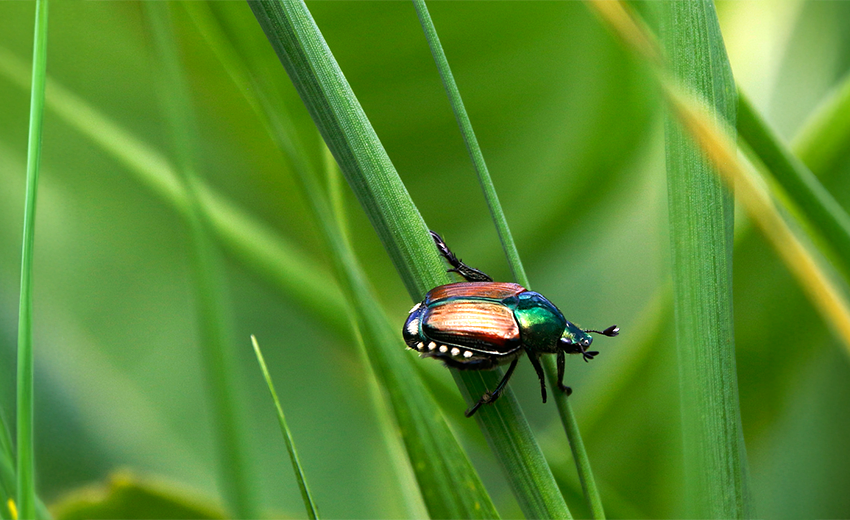
While the Japanese beetle is not classified as a pest species in its native Japan, in Europe and North America they are a pest to over 300 species of plant life. Plants such as birch trees, cannabis, crape myrtles, grapes, hops, linden trees, rose bushes, and more are all affected […]
Read More...
striped dolphin

The Striped Dolphin

  • 13 March, 2025
  • Critterman
  • No Comments
  • 110 Views
  • 1 Likes
Daily Critter Facts, Dolphin Facts, Sea Mammal Facts
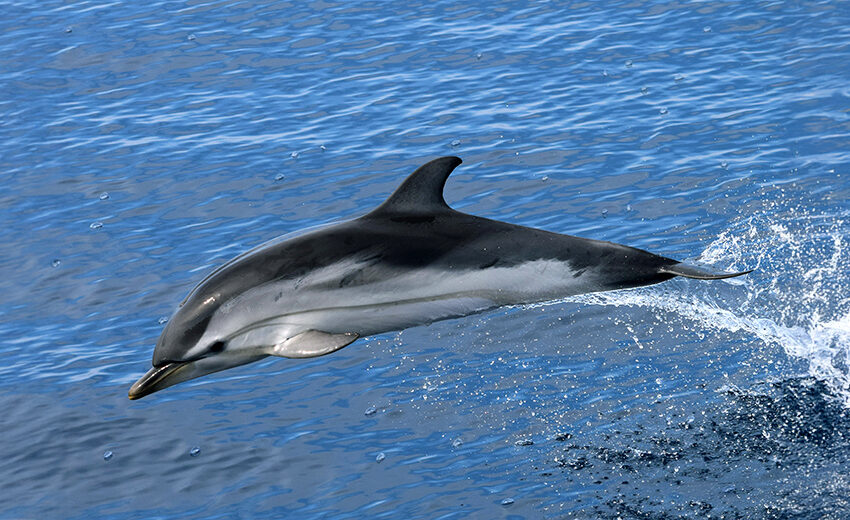
The striped dolphin, aka euphrosyne dolphin or streaker, is found globally in tropical and temperate waters. These dolphins are included in the genus Stenella; however, recent genetic work by LeDuc et al. in 1999 indicated that Stenella is not a natural group. They face the usual
Read More...
Amazon weasel

The Amazon Weasel

  • 12 March, 2025
  • Critterman
  • No Comments
  • 100 Views
  • 1 Likes
Daily Critter Facts, Land Mammal Facts, Mustelid Facts
The Amazon weasel, aka tropical weasel, is the largest of the 3 South American weasels. They hail from Bolivia, Brazil, Colombia (uncertain), Ecuador, and Peru. These weasels likely face the threats of habitat loss and destruction at the hands of farming, ranching, logging
Read More...
dubious dtella

The Dubious Dtella

  • 11 March, 2025
  • Critterman
  • No Comments
  • 104 Views
  • 1 Likes
Daily Critter Facts, Lizard Facts, Reptile Facts
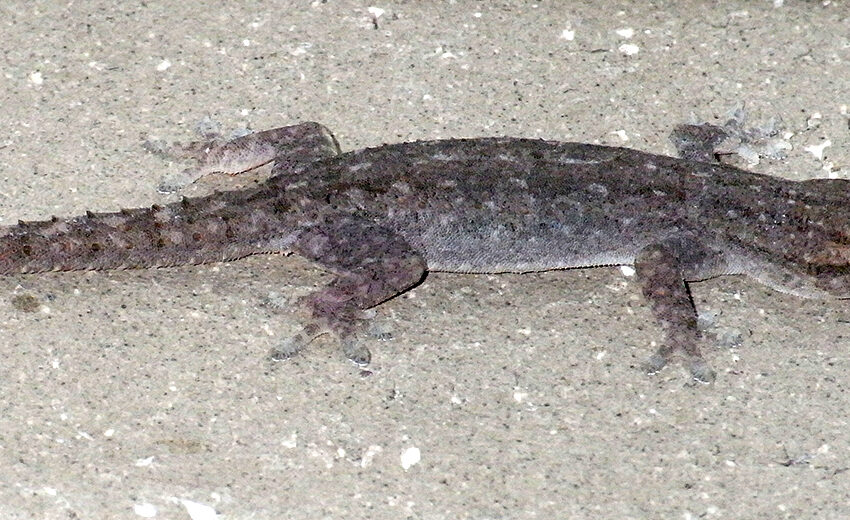
The dubious dtella, aka dubious four-clawed gecko, common house gecko, or native Australian house gecko, hails from northern New South Wales, Queensland, some islands of the Great Barrier Reef, and the Torres Strait. These geckos may face the threats of habitat loss and invasive species,
Read More...
mountain quail

The Mountain Quail

  • 10 March, 2025
  • Critterman
  • No Comments
  • 100 Views
  • 1 Likes
Bird Facts, Daily Critter Facts
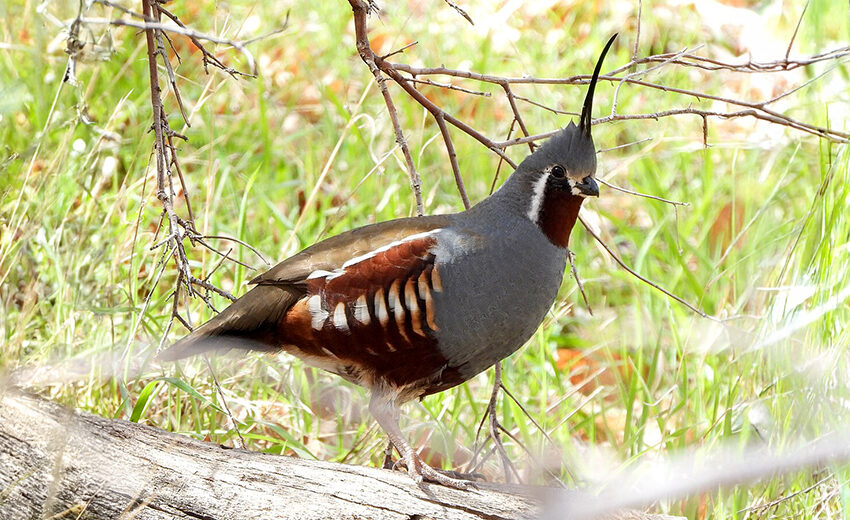
The mountain quail, is the largest quail species in the United States. Their ancestors diverged from other New World (found in the Americas) quails earlier than the bobwhites, approximately 6,000,000 years ago. These birds face few threats, such as habitat loss and destruction,
Read More...
horse fly

The Rather Unpopular Horse Fly

  • 7 March, 2025
  • Critterman
  • No Comments
  • 108 Views
  • 1 Likes
Arthropod Facts, Daily Critter Facts, Insect Facts
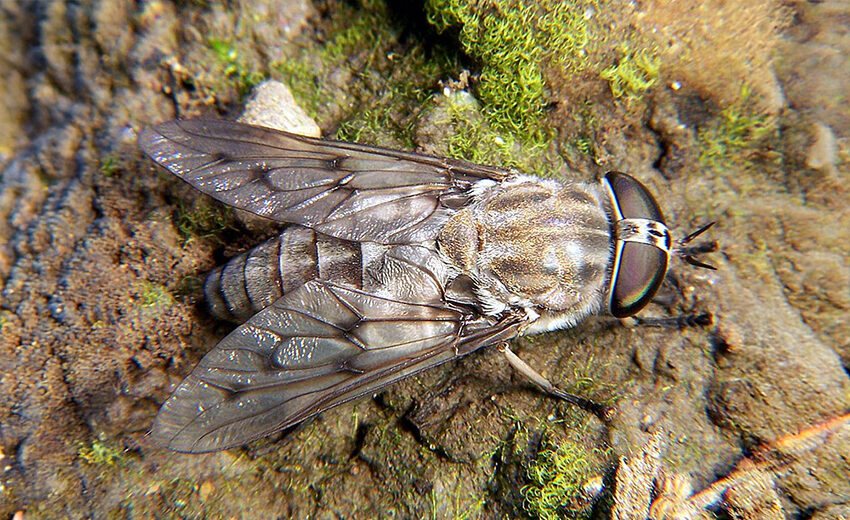
The horse fly, aka deer fly (misnomer) or gadfly, can be found all over the world, sans a few select islands and the polar regions. Female horse flies can transfer blood-borne diseases from 1 animal to another via their feeding habit. In locations where those diseases occur,
Read More...
barn swallow

The Abundantly Populated Barn Swallow

  • 6 March, 2025
  • Critterman
  • No Comments
  • 94 Views
  • 1 Likes
Bird Facts, Daily Critter Facts
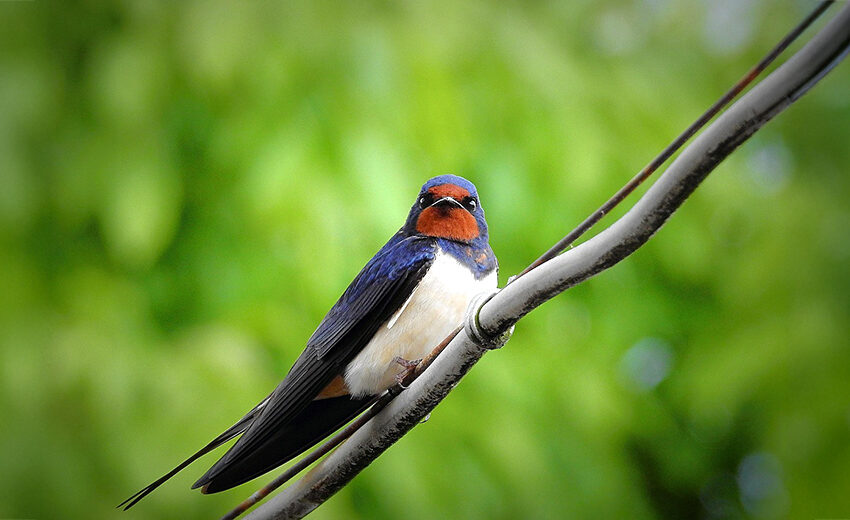
The barn swallow is the most populated swallow of them all, with individuals in Canada, United States, Mexico, Central America, South America, Europe, Asia, Africa, Australia, and even vagrant populations in Antarctica. Being so widespread puts them in harm’s way though, as they face
Read More...
1 … 21 22 23 24 25 … 191

Search Critter Science

Subscribe

I’ve Been Featured On…


Recent Posts

  • Atlantic blue crab
    The Atlantic Blue Crab

    Jan 21, 20260

  • little raven
    The Little Raven

    Jan 20, 20260

  • African wolf
    The African Wolf

    Jan 19, 20260

  • Atlantic sturgeon
    The Atlantic Sturgeon

    Jan 16, 20260

  • northern lapwing
    The Northern Lapwing

    Jan 15, 20260

Past Articles

Follow Critter Science

Recent Comments

  • I will not tell u my name >:( on The Cozumel Raccoon
  • Critterman on The Black Widow Spider
  • Jett on The Black Widow Spider
  • Elizabeth on The Pink Fairy Armadillo
  • Roosrevil on Look Out for the Chupacabra!

Categories

Spread the Word

  • Daily Critter Facts
  • Guest Articles
  • BYET
  • Teachers
  • Study Guides
  • Contact

Copyright © 2025, Critter Science. All Rights Reserved.