Critter Science
  • Zoology
    • Ecology
      • Animal Conservation
        • CITES: Protecting Wildlife
        • Endangered Animals
        • Ex Situ Explained
        • In Situ Explained
        • Zoological Branches
      • Chromatophores and Survival
      • Ecosystems
        • Animal Habitats
        • The Biomes
        • Coastal Erosion
        • Rainforest Types
      • Evolution. The Facts.
        • Animal Devolution
        • What are Arachnids?
          • Spider Webs
        • Carl Linnaeus
        • Charles Darwin
        • Dame Jane Goodall
        • Evolution of Amphibians
        • Evolution of Birds
        • Genetic Drift in the Animal Kingdom
        • Naturalism
        • Natural Selection
        • What is a Marsupial?
      • Invertebrate Families Explored
      • Predator vs Prey
      • Producers and Consumers
      • Vertebrate Animal Families
    • Sustainability
      • Climate Change
      • Global Warming
      • Pollution
        • Air Pollution
        • Land Pollution
        • Light Pollution
        • Microplastics Pollution
        • Noise Pollution
        • Water Pollution
      • Recycling
        • Recycling Plastics
      • Renewable Energy
    • Animal Behavioral Patterns
      • Avian Communication
      • Elephant Communication
      • Herpetofauna Communication
      • Primate Language: The Debate
      • Types of Animal Dormancy
    • What are Species?
      • Amphibians vs Reptiles
      • Animal Reproduction
      • Claws, Nails, and Talons
      • Fur and Hair
      • Gecko Feet
      • Invasive Species
      • IUCN Statuses
      • Speciation
      • Species Complex
      • The Enigmatic Purr
      • Venom vs Poison
      • What is a Marsupial?
    • About the Critterman
  • Daily Critter Facts
    • Amphibian Facts
      • Frog Facts
      • Newt Facts
      • Salamander Facts
      • Toad Facts
    • Arthropod Facts
      • Arachnid Facts
      • Insect Facts
    • Bird Facts
      • Flightless Bird Facts
      • Predatory Bird Facts
      • Scavenger Bird Facts
      • Wading Bird Facts
    • Cryptozoology
    • Fish Facts
      • Cephalopod Facts
      • Crustacean Facts
      • Jellyfish Facts
      • Reefs
      • Shark and Ray Facts
      • Shellfish Facts
    • Flying Mammal Facts
    • Gastropod Facts
    • Land Mammal Facts
      • Canine Facts
      • Feline Facts
      • Lagomorph Facts
      • Marsupial Facts
      • Mustelid Facts
      • Primate Facts
      • Rodent Facts
      • Ungulate Facts
    • Parasite Facts
    • Reptile Facts
      • Crocodilian Facts
      • Lizard Facts
      • Snake Facts
      • Turtle Facts
    • Sea Mammal Facts
      • Dolphin Facts
      • Porpoise Facts
      • Sea Lion Facts
      • Seal Facts
      • Whale Facts
    • Worm Facts
  • For Teachers
    • Animal Quizzes
      • Amphibian Quiz
      • Bird Quiz
      • Cat Quiz
      • Dog Quiz
      • Dolphin Quiz
      • Insect Quiz
      • Reptile Quiz
    • Animal Word Search
    • Butterfly Life Cycle
      • Butterfly Metamorphosis
      • World’s Largest Butterfly
      • World’s Largest Moth
    • The Cellular Structure of an Animal
    • Coloring Pages
    • Fish and Sharks
    • Frogs vs Toads
    • Insect vs Bug
    • Metamorphosis – A Frog’s Life Cycle
  • Study Guides
    • African Animals
    • Antarctica Animals
    • Asian Animals
    • Australian Animals
    • Central American Animals
    • European Animals
    • North American Animals
    • South American Animals
  • Diseases & Parasites
    • Bsal
    • Canine Distemper Virus (CDV)
    • Chronic Wasting Disease (CWD)
    • The Deadly Chytrid Fungus
    • All About Parasites
    • The Rabies Virus
    • Toxoplasmosis
    • White-Nose Syndrome
  • Contact
    • General Contact
    • Guest Article Submission
      • Guest Articles
        • Guest Articles – 2024
    • What Critter is This?
    • Animal Welfare Organizations
    • Privacy Policy
Subscribe

Slide DAILY CRITTER FACTS DAILY CRITTER FACTS
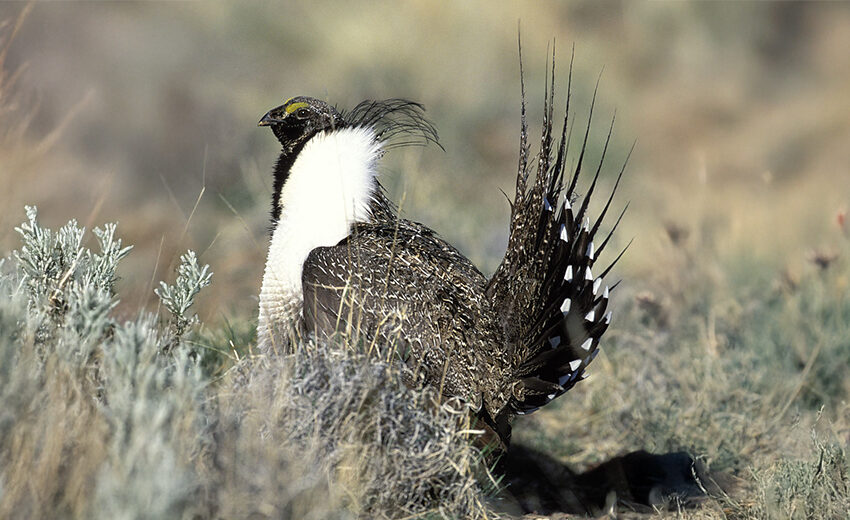
greater prairie-chicken

The Greater Prairie-Chicken

  • 24 April, 2025
  • Critterman
  • No Comments
  • 84 Views
  • 1 Likes
Bird Facts, Daily Critter Facts
The greater prairie-chicken, aka pinnated grouse or boomer, can be found in south-central Canada and the central and eastern parts of the United States. These large grouse are becoming increasingly rare to see. They are threatened by habitat loss and destruction at the hands of
Read More...
clymene dolphin

The Clymene Dolphin

  • 23 April, 2025
  • Critterman
  • No Comments
  • 83 Views
  • 1 Likes
Daily Critter Facts, Dolphin Facts, Sea Mammal Facts
The clymene dolphin, aka short-snouted spinner dolphin, are the only known case of hybrid speciation in marine mammals, being descendants of the spinner dolphin and the striped dolphin. They can be found in the Atlantic Ocean off the coasts of Canada, United States, Mexico,
Read More...
common mudpuppy

The Common Mudpuppy

  • 22 April, 2025
  • Critterman
  • No Comments
  • 84 Views
  • 7 Likes
Amphibian Facts, Daily Critter Facts, Salamander Facts
The common mudpuppy is a species of salamander in the family Proteidae. They can be found in eastern Canada and eastern United States. Preferring lakes, rivers and ponds, these salamanders, like the axolotls, never complete metamorphosis and thus remain in the
Read More...
giant anteater

The Giant Anteater

  • 21 April, 2025
  • Critterman
  • No Comments
  • 79 Views
  • 1 Likes
Daily Critter Facts, Land Mammal Facts
The giant anteater is the largest of the 4 species of anteaters. They hail from Central America and South America. The only extant member of the genus Myrmecophaga, they are classified with sloths in the order Pilosa. Unfortunately, they face many threats to their survival.
Read More...
lion-tailed macaque

The Lion-Tailed Macaque

  • 18 April, 2025
  • Critterman
  • No Comments
  • 83 Views
  • 1 Likes
Daily Critter Facts, Land Mammal Facts, Primate Facts
The lion-tailed macaque, aka wanderoo, is a primate that hails from Karnataka, Kerala, and Tamil Nadu in India. These monkeys face the threats of habitat loss and destruction at the hands of farming and logging; hunting; trapping; and ecosystem modifications.
Read More...
black-chinned hummingbird

The Black-Chinned Hummingbird

  • 17 April, 2025
  • Critterman
  • No Comments
  • 77 Views
  • 1 Likes
Bird Facts, Daily Critter Facts
The black-chinned hummingbird has a broad range of habitats from Canada, Mexico, and the United States. These hummingbirds are migratory and travel great distances to overwinter in the south. Some of the threats they face are habitat loss and destruction at the hands of
Read More...
Jamaican iguana

The Jamaican Iguana

  • 16 April, 2025
  • Critterman
  • No Comments
  • 79 Views
  • 2 Likes
Daily Critter Facts, Lizard Facts, Reptile Facts
The Jamaican iguana, aka Colley’s iguana or Jamaican rock iguana, hails only from a small southern portion of the island of Jamaica. These iguanas were once found throughout Jamaica and on the offshore islets of Great Goat Island and Little Goat Island, they are now confined to
Read More...
western house martin

The Western House Martin

  • 15 April, 2025
  • Critterman
  • No Comments
  • 91 Views
  • 1 Likes
Bird Facts, Daily Critter Facts
The western house martin, aka common house martin, northern house martin, or house martin, can be found throughout Europe, western Asia, and Africa. They are a passerine bird from the swallow family. These birds are threatened by invasive species,
Read More...
New Zealand sea lion

The New Zealand Sea Lion

  • 14 April, 2025
  • Critterman
  • No Comments
  • 83 Views
  • 1 Likes
Daily Critter Facts, Sea Lion Facts, Sea Mammal Facts
The New Zealand sea lion, aka Hooker’s sea lion, pakake (for both male and female), whakahao (male), or kake (female) in Māori, hails from New Zealand and primarily breeds on New Zealand’s subantarctic Auckland and Campbell islands, and have recently been slowly breeding and
Read More...
Atretochoana eiselti

The Eiselt’s Caecilian

  • 11 April, 2025
  • Critterman
  • No Comments
  • 98 Views
  • 1 Likes
Amphibian Facts, Daily Critter Facts
The Eiselt’s caecilian is a type of caecilian that hails from Brazil and possibly Bolivia. These unique and fascinating creatures are amphibians. They prefer to dwell in warm, turbid, fast-flowing waters within the lowland Brazilian Amazon basin, primarily in the Madeira River
Read More...
1 … 17 18 19 20 21 … 190

Search Critter Science

Subscribe

I’ve Been Featured On…


Recent Posts

  • forest raven
    The Forest Raven

    Jan 1, 20260

  • Cape genet
    The Cape Genet

    Dec 31, 20250

  • Bunyoro rabbit
    The Bunyoro Rabbit

    Dec 30, 20250

  • common quail
    The Common Quail

    Dec 29, 20250

  • Boyd's forest dragon
    The Boyd’s Forest Dragon

    Dec 26, 20250

Past Articles

Follow Critter Science

Recent Comments

  • I will not tell u my name >:( on The Cozumel Raccoon
  • Critterman on The Black Widow Spider
  • Jett on The Black Widow Spider
  • Elizabeth on The Pink Fairy Armadillo
  • Roosrevil on Look Out for the Chupacabra!

Categories

Spread the Word

  • Daily Critter Facts
  • Guest Articles
  • BYET
  • Teachers
  • Study Guides
  • Contact

Copyright © 2025, Critter Science. All Rights Reserved.