Critter Science
  • Zoology
    • Ecology
      • Animal Conservation
        • CITES: Protecting Wildlife
        • Dame Jane Goodall
        • Endangered Animals
        • Ex Situ Explained
        • In Situ Explained
        • IUCN Statuses
        • Zoological Branches
      • Chromatophores and Survival
      • Ecosystems
        • Animal Habitats
        • The Biomes
        • Coastal Erosion
        • Rainforest Types
      • Evolution. The Facts.
        • Animal Devolution
        • Animal Mimicry
        • Convergent Evolution
        • Carl Linnaeus
        • Charles Darwin
        • Evolution of Amphibians
        • Evolution of Birds
        • Genetic Drift in the Animal Kingdom
        • Naturalism
        • Natural Selection
        • Venom vs Poison
      • Invertebrate Families Explored
        • What are Arachnids?
          • Spider Webs
      • Predator vs Prey
      • Producers and Consumers
      • Vertebrate Animal Families
        • Snakes vs Legless Lizards
        • What is a Marsupial?
      • The Wild Apothecary
    • Sustainability
      • Climate Change
      • Global Warming
      • Pollution
        • Air Pollution
        • Land Pollution
        • Light Pollution
        • Microplastics Pollution
        • Noise Pollution
        • Water Pollution
      • Recycling
        • Recycling Plastics
      • Renewable Energy
    • Animal Behavioral Patterns
      • Avian Communication
      • Cetacean Communication
      • Elephant Communication
      • Herpetofauna Communication
      • Primate Language: The Debate
      • Types of Animal Dormancy
    • What are Species?
      • Amphibians vs Reptiles
      • Animal Reproduction
      • Animal Skin and Scales
      • Claws, Nails, and Talons
      • Fur and Hair
      • Gecko Feet
      • Invasive Species
      • Lazarus Species: Rediscovered Life
      • Speciation
      • Species Complex
      • The Enigmatic Purr
    • About the Critterman
  • Daily Critter Facts
    • Amphibian Facts
      • Frog Facts
      • Newt Facts
      • Salamander Facts
      • Toad Facts
    • Arthropod Facts
      • Arachnid Facts
      • Insect Facts
    • Bird Facts
      • Flightless Bird Facts
      • Predatory Bird Facts
      • Scavenger Bird Facts
      • Wading Bird Facts
    • Cryptozoology
    • Fish Facts
      • Cephalopod Facts
      • Crustacean Facts
      • Jellyfish Facts
      • Reefs
      • Shark and Ray Facts
      • Shellfish Facts
    • Flying Mammal Facts
    • Gastropod Facts
    • Land Mammal Facts
      • Canine Facts
      • Feline Facts
      • Lagomorph Facts
      • Marsupial Facts
      • Mustelid Facts
      • Primate Facts
      • Rodent Facts
      • Ungulate Facts
    • Parasite Facts
    • Reptile Facts
      • Crocodilian Facts
      • Lizard Facts
      • Snake Facts
      • Turtle Facts
    • Sea Mammal Facts
      • Dolphin Facts
      • Porpoise Facts
      • Sea Lion Facts
      • Seal Facts
      • Whale Facts
    • Worm Facts
  • For Teachers
    • Animal Quizzes
      • Amphibian Quiz
      • Bird Quiz
      • Cat Quiz
      • Dog Quiz
      • Dolphin Quiz
      • Insect Quiz
      • Reptile Quiz
    • Animal Word Search
    • Butterfly Life Cycle
      • Butterfly Metamorphosis
      • World’s Largest Butterfly
      • World’s Largest Moth
    • The Cellular Structure of an Animal
    • Coloring Pages
    • Fish and Sharks
    • Frogs vs Toads
    • Insect vs Bug
    • Metamorphosis – A Frog’s Life Cycle
  • Study Guides
    • African Animals
    • Antarctica Animals
    • Asian Animals
    • Australian Animals
    • Central American Animals
    • European Animals
    • North American Animals
    • South American Animals
  • Diseases & Parasites
    • Bsal
    • Canine Distemper Virus (CDV)
    • Chronic Wasting Disease (CWD)
    • The Deadly Chytrid Fungus
    • All About Parasites
    • The Rabies Virus
    • Toxoplasmosis
    • White-Nose Syndrome
  • Contact
    • General Contact
    • Guest Article Submission
      • Guest Articles
        • Guest Articles – 2024
    • What Critter is This?
    • Animal Welfare Organizations
    • Privacy Policy
Subscribe

Slide DAILY CRITTER FACTS DAILY CRITTER FACTS
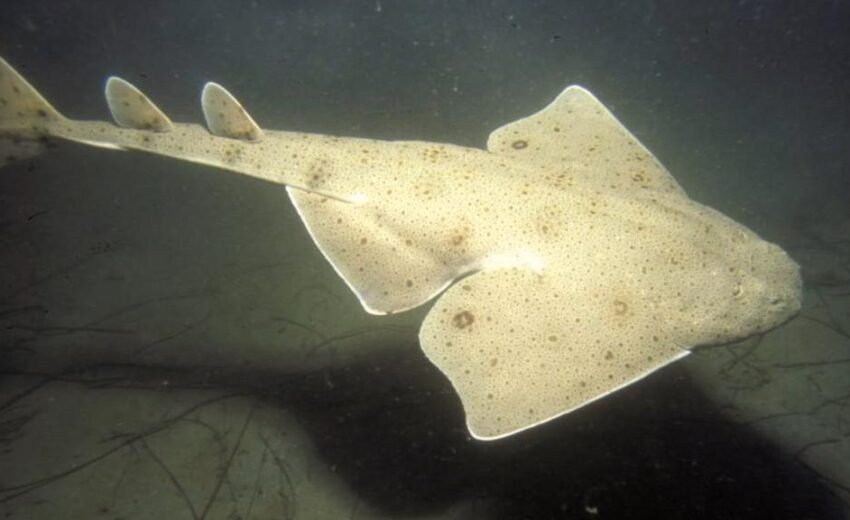
angel shark

The Well Camouflaged Angel Shark

  • 22 July, 2019
  • Critterman
  • No Comments
  • 1716 Views
  • 0 Likes
Daily Critter Facts, Fish Facts, Shark and Ray Facts

Angel sharks are quite different from many other sharks. First, they have flat bodies and very long pelvic and pectoral fins, thus making them look much like a ray. These bottom-swimming
Read More...
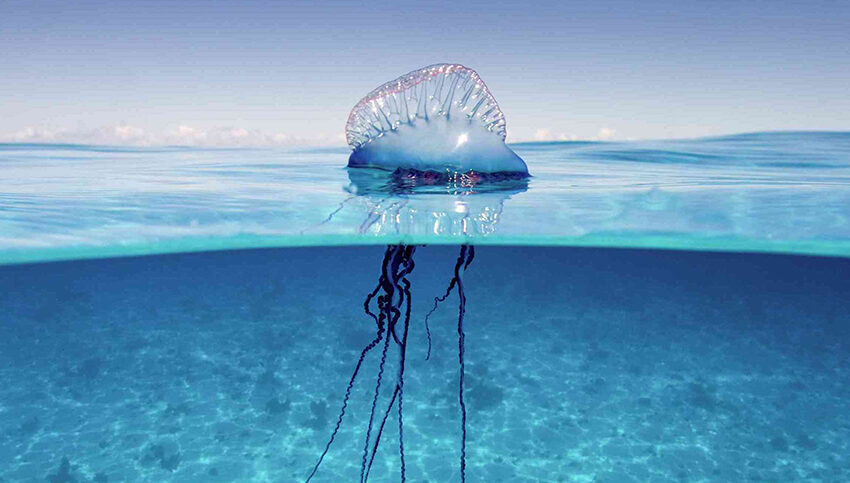
Portuguese man o' war

The Beautiful But Dangerous Portuguese Man O’ War

  • 19 July, 2019
  • Critterman
  • No Comments
  • 2857 Views
  • 11 Likes
Daily Critter Facts, Fish Facts

Despite how it looks, the Portuguese man o’ war is not a true jellyfish but rather a siphonophore, which is not actually a single organism (true jellyfish are a single organism), but
Read More...
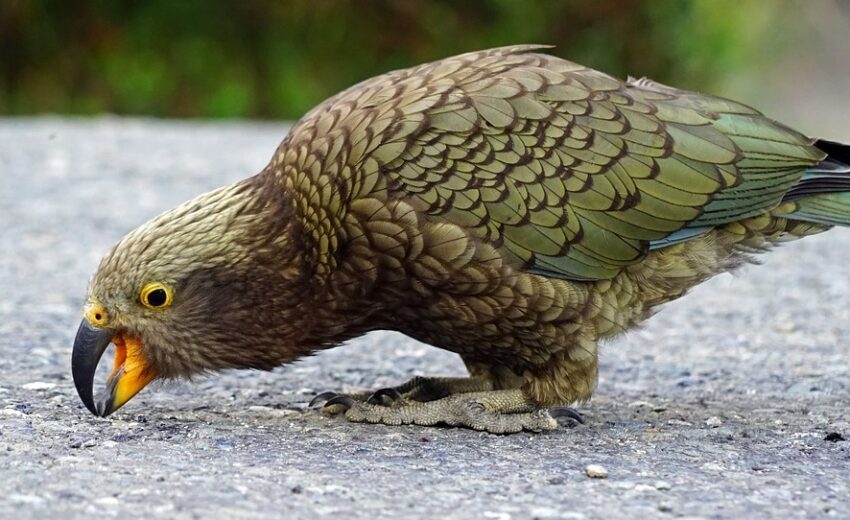
kea parrot

The Intelligent Kea Parrot

  • 18 July, 2019
  • Critterman
  • No Comments
  • 1953 Views
  • 2 Likes
Daily Critter Facts, Bird Facts

The kea parrot, aka the New Zealand Mountain Parrot, is a native of the mountains of New Zealand’s South Island. They are entertaining and playful birds that attract tourists from
Read More...
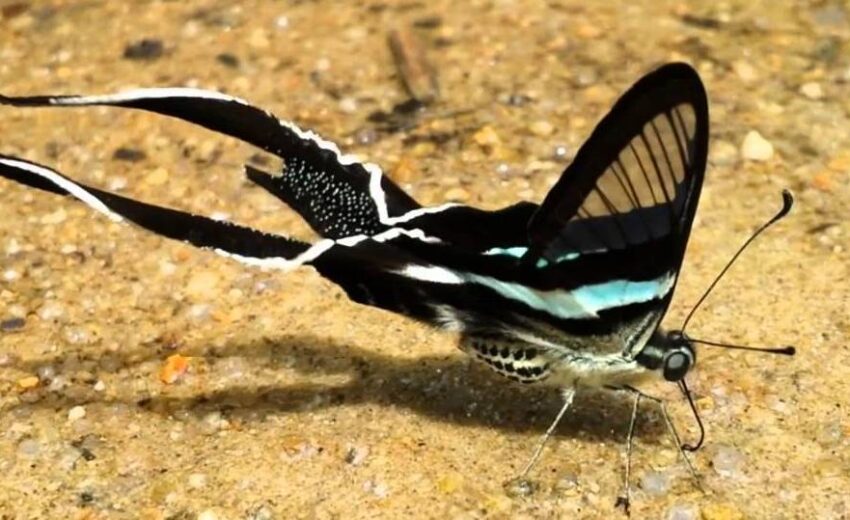
green dragontail butterfly

The Unique and Beautiful Green Dragontail Butterfly

  • 17 July, 2019
  • Critterman
  • No Comments
  • 2538 Views
  • 4 Likes
Daily Critter Facts, Arthropod Facts, Insect Facts

The green dragontail butterfly hails from southern and southeastern Asia, primarily in Sumatra, Java, Sulawesi, & Borneo regions. They are a member of the swallowtail family. These butterfies
Read More...
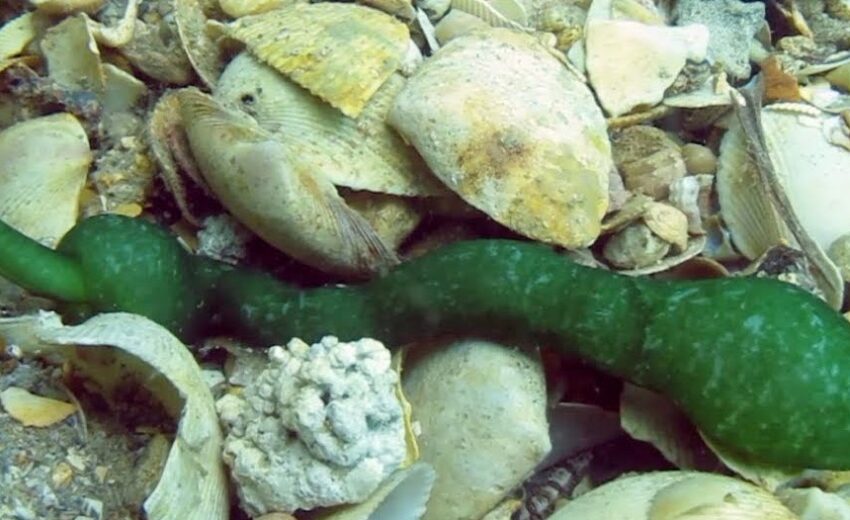
spoon worm

The Peculiar Spoon Worm

  • 16 July, 2019
  • Critterman
  • No Comments
  • 1583 Views
  • 3 Likes
Daily Critter Facts, Fish Facts, Worm Facts

The spoon worm belongs to the phylum called Echiura. Some place them in the phylum Annelidae, like the earthworm. Spoon worms are not segmented like some other worms. There are about 150 known species of spoon worms. They can be very common in some marine ecosystems.
Read More...
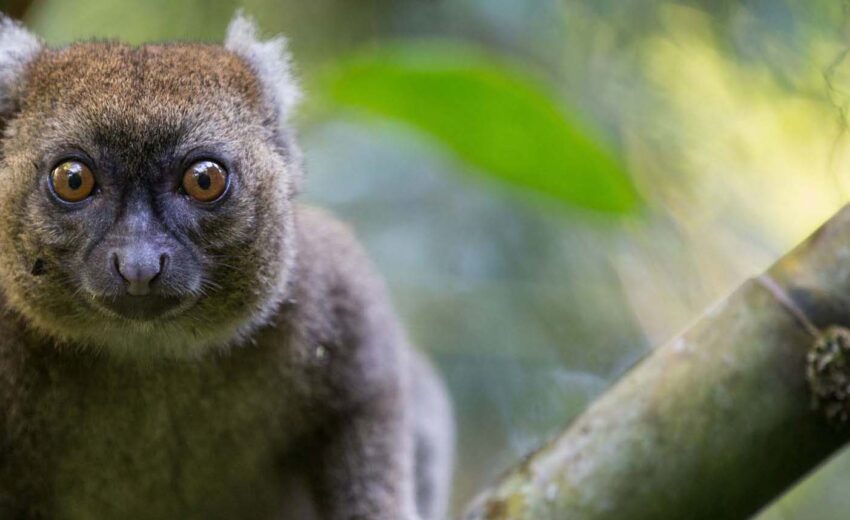
greater bamboo lemur

The Endangered Greater Bamboo Lemur

  • 15 July, 2019
  • Critterman
  • No Comments
  • 1157 Views
  • 5 Likes
Daily Critter Facts, Land Mammal Facts, Primate Facts

The greater bamboo lemur is the largest of the 3 bamboo lemur species and one of only a few mammals, having a predominantly bamboo-based diet. This sedentary creature spends a majority of the day eating mostly bamboo. It has to eat a lot of it in order to survive, as […]
Read More...
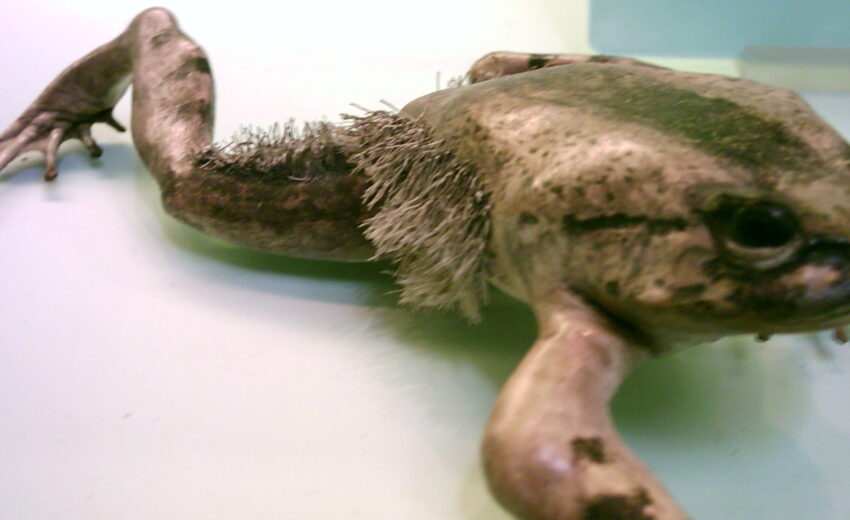
hairy frog

Meet the Hairy Frog

  • 12 July, 2019
  • Critterman
  • 36 Comments
  • 14965 Views
  • 66 Likes
Daily Critter Facts, Amphibian Facts, Frog Facts

The hairy frog, aka the Wolverine frog, or horror frog, hails from Democratic Republic of the Congo, Cameroon, Equatorial Guinea, Nigeria, Gabon, and potentially in Angola. It’s preferred
Read More...
olm

Olm. The Salamander, Not the Chant

  • 11 July, 2019
  • Critterman
  • No Comments
  • 5575 Views
  • 16 Likes
Daily Critter Facts, Amphibian Facts, Salamander Facts

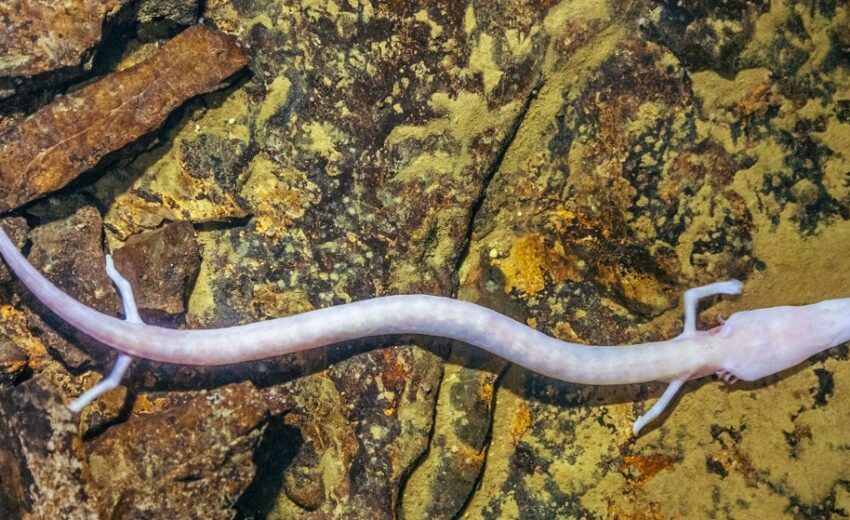
The olm is also known as the cave salamander, the proteus, the white salamander, the “močeril” (in Slovenia) – which translates to “one that burrows into wetness”, and “oveja Ribica,” which means “human fish”. They can be found in Italy, Slovenia
Read More...
giant squid

Arg, It’s the Giant Squid!

  • 10 July, 2019
  • Critterman
  • 5 Comments
  • 4719 Views
  • 13 Likes
Daily Critter Facts, Cephalopod Facts, Fish Facts

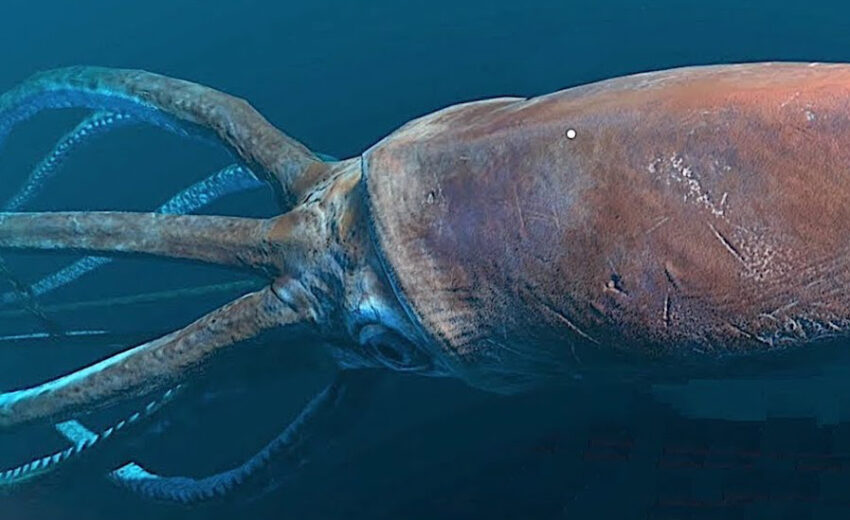
Not only is the giant squid the largest of all the cephalopods, it’s also the largest living invertebrate in the world! They can be found in the Northern parts of the Atlantic Ocean, the Gulf of Mexico, the Sea of Japan, the Bering Sea, Northern parts of the Pacific Ocean, […]
Read More...
golden snub-nosed monkey

The Odd Looking Golden Snub-Nosed Monkey

  • 9 July, 2019
  • Critterman
  • No Comments
  • 2193 Views
  • 4 Likes
Daily Critter Facts, Land Mammal Facts, Primate Facts

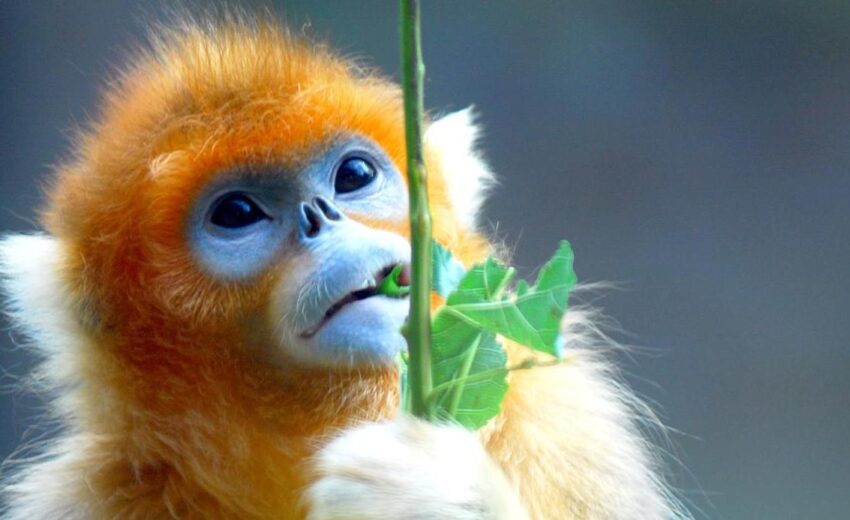
The golden snub-nosed monkey, aka the the orange monkey, the snub-nosed leaf monkey, & the Sichuan golden-haired monkey, only lives in central and southwestern China & the mountains of Tibet. They inhabit elevations up to 5,200 – 13,000 feet. These are called old world monkeys. What does it mean to

Read More...
1 … 165 166 167 168 169 … 192

Search Critter Science

Subscribe

I’ve Been Featured On…


Recent Posts

  • Greenland wolf
    The Greenland Wolf

    Feb 11, 20260

  • tufted jay
    The Tufted Jay

    Feb 10, 20260

  • Amazonian giant centipede
    The Amazonian Giant Centipede

    Feb 9, 20260

  • long-toed salamander
    The Long-Toed Salamander

    Feb 6, 20260

  • ghost bat
    The Ghost Bat

    Feb 5, 20260

Past Articles

Follow Critter Science

Recent Comments

  • Momm on The Northern Muriqui
  • I will not tell u my name >:( on The Cozumel Raccoon
  • Critterman on The Black Widow Spider
  • Jett on The Black Widow Spider
  • Elizabeth on The Pink Fairy Armadillo

Categories

Spread the Word

  • Daily Critter Facts
  • Guest Articles
  • BYET
  • Teachers
  • Study Guides
  • Contact

Copyright © 2025, Critter Science. All Rights Reserved.